
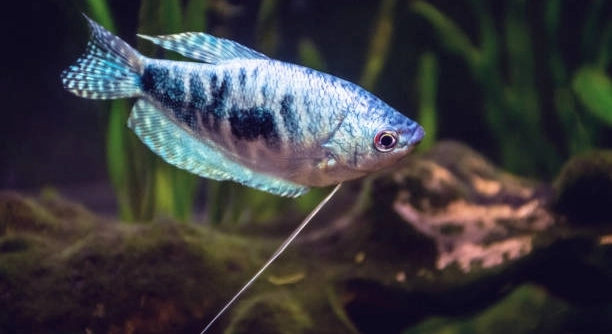
Breeding giant gouramis at home can feel like an exciting challenge for many aquarium enthusiasts. These fish are not only beautiful but also display interesting behaviors, making them a rewarding species to care for in a home environment.
Giant gouramis can be bred at home under controlled conditions that replicate their natural environment. Proper tank size, water parameters, and diet are essential, along with careful observation of mating behaviors to ensure successful spawning and fry survival.
Learning the correct steps for breeding will improve your chances of success and help maintain a healthy environment for your fish. Proper preparation is key for happy, thriving gouramis.
Preparing the Tank for Breeding
Creating the right environment for giant gouramis is essential for successful breeding. A spacious tank of at least 75 gallons is recommended to give the fish room to swim and establish territories. Water temperature should be maintained between 26°C and 30°C, with a slightly acidic to neutral pH of 6.5–7.5. Including floating plants and hiding spots will mimic their natural habitat and encourage spawning behavior. Filtration is important to maintain clean water, but strong currents should be avoided since these fish prefer calmer waters. Regular water changes help prevent the buildup of harmful substances. Observing the fish daily allows you to notice early signs of courtship, such as nest building or chasing. A balanced diet including live or frozen foods will improve their condition and readiness for breeding. Proper preparation at this stage increases the chances of healthy fry survival and reduces stress on the adults.
Taking time to set up the tank correctly ensures the fish remain healthy and receptive to breeding.
Monitoring water parameters and adjusting them as needed will help create an optimal environment for spawning. Maintaining stable conditions is crucial for both adults and future fry.
Selecting and Pairing Giant Gouramis
Pairing compatible giant gouramis is crucial for successful breeding. Choosing fish of similar size and maturity reduces aggression and increases the likelihood of spawning. It is important to observe their interactions for a few days before introducing them into the breeding tank. Males typically become more territorial, while females show readiness through changes in body shape and coloration. Once a compatible pair is identified, transferring them carefully to the prepared tank minimizes stress and encourages natural behaviors.
After pairing, feeding a high-protein diet improves health and stimulates reproductive activity. The male will often begin building a bubble nest near the water surface, which serves as a site for eggs. The female will lay eggs in this nest, and the male will guard them diligently. Maintaining stable temperature, clean water, and a quiet environment during this period is essential. Overcrowding or sudden changes in the tank can disrupt the breeding process and reduce the success rate. Observing the male’s protective behavior ensures that the eggs and eventual fry receive proper care. Once hatched, fry will need appropriate food such as infusoria or finely crushed flakes until they are large enough for standard foods. Consistent monitoring and care at each stage significantly improve survival rates and overall health of the young fish.
Feeding and Conditioning Breeding Pairs
Providing a high-quality diet is essential for giant gouramis to prepare for spawning. Include live or frozen foods like brine shrimp, bloodworms, and daphnia, alongside high-protein pellets. Feeding consistently improves energy levels and reproductive readiness.
A balanced diet strengthens both male and female gouramis, ensuring they are in prime condition for breeding. Proteins and vitamins support egg development and increase the likelihood of healthy fry. It is helpful to feed smaller portions multiple times per day rather than a single large meal. Monitoring appetite gives insight into their health and readiness, allowing adjustments in feeding schedules if needed. Proper nutrition also helps reduce stress and aggressive behavior between the pair.
Conditioning should continue for several weeks before attempting spawning. Observing their behavior alongside consistent feeding helps confirm they are ready. Avoid sudden dietary changes, and maintain clean water to support digestion and overall health. Proper conditioning ensures that both adults and future offspring thrive, improving the chances of successful breeding and survival of the fry.
Observing Mating and Egg Laying
Males start building bubble nests at the water surface when ready to breed. The female will approach when she is prepared to lay eggs. Careful observation helps ensure compatibility and timing.
During mating, the male wraps around the female while fertilizing the eggs, which are immediately placed in the bubble nest. Aggressive chasing may occur, but it is part of normal courtship. The male remains protective, tending the nest, repairing bubbles, and removing any debris or unfertilized eggs. Female involvement decreases after egg laying, as the male takes primary responsibility. Maintaining calm surroundings and stable water conditions during this stage reduces stress, improving fertilization and egg survival.
Once eggs are fertilized and secured in the nest, monitoring them closely ensures early detection of potential problems. Water temperature and cleanliness are critical for successful hatching. Removing the female after spawning may prevent conflicts, allowing the male to focus on protecting the eggs. Regular observation without disturbing the tank ensures eggs develop properly. Once fry hatch, they will remain near the nest initially, and supplemental feeding can begin when they are strong enough. Consistent care at this stage is key to achieving healthy, thriving young gouramis.
Caring for Newly Hatched Fry
Fry remain near the bubble nest for the first few days. They are fragile and require stable water conditions. Avoid strong currents, and keep the tank quiet to prevent stress.
Feeding should begin with infusoria or finely crushed flakes. Small, frequent feedings help fry grow steadily and maintain health. Monitor their development closely to ensure all fry are feeding and active.
Maintaining Water Quality
Clean water is essential for both adults and fry. Perform partial water changes regularly to prevent buildup of waste and toxins. Using a gentle filtration system avoids disturbing the fry while maintaining oxygen levels and water clarity, ensuring a safe environment for growth.
Separating Fry from Adults
Once fry are free-swimming, separating them from the male prevents accidental injury. A separate nursery tank allows for easier feeding and monitoring. Gradually acclimate fry to new tank conditions while keeping water parameters consistent.
Gradual Introduction to Standard Foods
After a few weeks, fry can slowly transition to standard flake or pellet foods. Introduce new foods in small amounts to avoid overfeeding. Observe their acceptance and growth before fully changing their diet.
FAQ
How long does it take for giant gourami eggs to hatch?
Gourami eggs usually hatch within 24 to 36 hours under optimal water conditions. Temperature should remain steady between 26°C and 30°C to ensure proper development. The male guards the nest closely during this time, repairing bubbles and keeping eggs safe from debris or fungus.
When should I separate the fry from the male?
Fry should be separated once they are free-swimming and strong enough to navigate the tank independently, usually around 5 to 7 days after hatching. Keeping them with the male longer can increase the risk of accidental injury, even though he guards the nest carefully.
What is the best diet for baby gouramis?
Start with infusoria or liquid fry food during the first few days, then gradually introduce finely crushed flakes or micro-pellets. Feed small portions multiple times per day to ensure all fry receive adequate nutrition and grow steadily. Supplementing with freshly hatched brine shrimp after a week improves survival rates.
How often should I change the water for breeding gouramis?
Partial water changes of about 20% every 2–3 days are sufficient for both adults and fry. Avoid drastic water changes to maintain stable parameters, as sudden shifts in temperature or pH can stress the fish and affect breeding success.
Can I breed more than one pair in the same tank?
It is not recommended. Multiple pairs can lead to territorial aggression and stress, which reduces spawning success. Each pair should have its own spacious tank with appropriate hiding spots and floating plants to encourage natural behavior.
How do I know if my gouramis are ready to breed?
Males will build bubble nests and show territorial behavior, while females may display slightly rounded bellies and brighter coloration. Observing their interactions over several days helps confirm compatibility before moving them to the breeding tank.
What should I do if eggs get fungus?
Fungus can develop if water quality is poor or the eggs are damaged. Remove affected eggs promptly using a soft net or turkey baster. Maintaining clean water and consistent temperature helps prevent fungal outbreaks.
How long do fry stay near the bubble nest?
Fry remain close to the nest for roughly 3–5 days, depending on their development and water conditions. During this time, they rely on small, frequent feedings and protection from the male, who guards the nest until fry become free-swimming.
Can I use the same tank for multiple breeding cycles?
Yes, but the tank must be thoroughly cleaned between cycles. Remove leftover eggs, debris, and excess organic matter to prevent disease or poor water quality. Allowing the tank to stabilize ensures a safe environment for the next breeding pair.
What are common mistakes when breeding giant gouramis?
The most frequent issues include overcrowding, inconsistent water parameters, poor nutrition, and failing to separate fry in time. Providing adequate space, stable conditions, and a proper diet greatly improves breeding success and fry survival. Monitoring behavior daily helps detect problems early.
Is it necessary to remove the female after spawning?
While not always required, removing the female reduces stress and prevents possible aggression. The male will continue to guard the nest alone, which increases the likelihood of successful hatching and survival of the fry.
How do I encourage multiple spawnings in a year?
Maintain stable water conditions, provide a varied and high-protein diet, and ensure the tank is large enough for each pair. After one successful breeding cycle, allow a recovery period before attempting another, as this ensures both adults remain healthy and ready to spawn again.
Can I raise fry in a community tank?
It is risky. Fry are small and slow, making them vulnerable to adult fish. If a community tank is used, ensure it is heavily planted and separated from larger or aggressive fish until fry are large enough to avoid predation.
How fast do giant gourami fry grow?
Growth depends on diet, water quality, and tank space. With proper care, fry can reach several inches within a few months. Consistent feeding, clean water, and minimal stress support steady growth and healthy development.
Are there signs of stress in breeding gouramis?
Signs include lethargy, loss of appetite, or aggression beyond normal territorial behavior. Poor water quality or improper temperature often causes stress. Addressing these issues quickly helps prevent breeding failure and maintains adult health.
Can I breed gouramis year-round?
Yes, with controlled tank conditions including temperature, lighting, and nutrition. Unlike seasonal breeding in the wild, maintaining stable parameters in a home aquarium allows for multiple cycles throughout the year without significant interruptions.
What is the survival rate for fry?
Survival varies depending on care, but with proper feeding, clean water, and protection from adults or aggressive tankmates, a majority of fry can reach juvenile stage. Monitoring closely and providing optimal conditions significantly improves survival rates.
Do I need special equipment for breeding?
A spacious tank, gentle filtration, heater, and floating plants are essential. Optional items include a separate nursery tank for fry and nets or siphons for removing debris. High-quality food and water testing kits help maintain ideal conditions throughout the breeding process.
How do I handle aggressive males during breeding?
Providing ample space and hiding spots reduces conflict. Aggression is normal during nest building, but overcrowding or incompatible pairs can escalate stress and injury. Monitor behavior closely and separate fish if necessary to maintain safety and increase breeding success.
What is the best temperature for spawning?
Maintaining water between 26°C and 30°C encourages mating and proper egg development. Avoid sudden fluctuations, as consistent temperature supports health, reproductive activity, and higher survival rates for eggs and fry.
How long until fry can eat regular fish food?
After 2–3 weeks, fry can begin eating finely crushed flakes or micro-pellets. Gradually increase portion size and frequency while observing growth and health. Proper transition ensures continued development and minimizes digestive issues during this critical stage.
Breeding giant gouramis at home can be a highly rewarding experience when approached with care and patience. Understanding their natural behaviors and environmental needs is the foundation for success. Providing a spacious tank with clean, stable water, proper temperature, and gentle filtration creates an environment where these fish feel secure. Floating plants and hiding spots help mimic their natural habitat, encouraging natural courtship and spawning behaviors. Observing the fish carefully allows you to notice subtle changes in behavior that indicate readiness to breed, such as the male building a bubble nest or the female showing signs of egg development. Attention to detail in the early stages significantly improves the chances of successful spawning and the survival of fry.
Feeding and conditioning the breeding pair is another key factor in achieving good results. A varied, high-protein diet helps strengthen both the male and female, ensuring they are in prime condition for mating. Small, frequent feedings over several weeks can enhance reproductive activity and increase egg viability. Once eggs are laid, maintaining calm and stable conditions becomes essential, as disturbances or sudden changes in water quality can negatively affect hatching rates. The male’s protective behavior during this stage is crucial, and careful observation helps ensure the eggs and fry remain safe. Once fry hatch, providing appropriate nutrition such as infusoria, brine shrimp, or finely crushed flakes supports steady growth and improves overall survival. Gradual introduction to standard foods prepares them for independent life in the tank.
Long-term success in breeding giant gouramis relies on consistent care and monitoring. Regular water changes, maintaining proper temperature, and providing a balanced diet are all important for adult health and fry development. Avoiding overcrowding and monitoring aggressive behavior reduces stress and prevents injuries among both adults and young fish. Separating fry at the appropriate time ensures they can grow safely without risk from adult aggression. By following these steps, it is possible to achieve multiple successful breeding cycles, creating a thriving tank with healthy, vibrant fish. Patience, careful observation, and commitment to proper care are the keys to successfully breeding giant gouramis at home.

Hello,
If you enjoy the content that we create, please consider saying a "Thank You!" by leaving a tip.
Every little bit helps us continue crafting quality advice that supports the health, happiness, and well-being of pets around the world, for pets of all shapes, sizes, and species.
We really appreciate the kindness and support that you show us!