
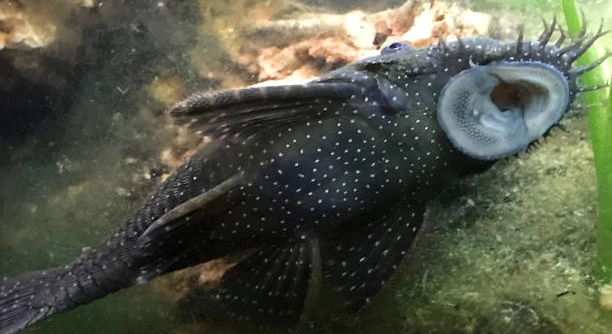
Have you ever kept more than one type of pleco and started thinking about whether they could breed together in your tank?
Different pleco species generally should not be bred together, as hybridization can lead to genetic inconsistencies, health concerns, and confusion in the aquarium hobby. Breeding efforts are best focused on maintaining pure species lines.
There are important reasons why breeders avoid mixing pleco types, and understanding them helps protect the health and future of these fish.
Why Breeding Different Plecos Is Not Recommended
Breeding different pleco species together can result in unpredictable outcomes. While it might seem harmless, mixing species often creates hybrids that are difficult to identify and may carry health or behavioral issues. Some hybrids struggle with poor fertility, shortened lifespans, or deformities. This not only affects the individual fish but also complicates efforts to maintain pure lines within the hobby. Many responsible breeders prioritize species conservation by avoiding hybrid pairings altogether. Additionally, plecos often have specific breeding conditions unique to their species, making it challenging to create a shared setup that meets the needs of both. Tank compatibility, temperature, water flow, and cave preferences vary widely. When these differences are ignored, even breeding attempts may fail or lead to stress for both fish. Instead of mixing species, focus on creating the right environment for one type and understanding its individual breeding habits for the best results.
Hybrid breeding often leads to more confusion than success.
Mixing species can also impact future trade. If hybrids are passed off as pure, it creates long-term issues for hobbyists and breeders trying to keep track of bloodlines. Hybrids may look similar to pure species, especially when young, but over time their differences become more noticeable. This can mislead inexperienced keepers who purchase them expecting specific traits, such as size, behavior, or care needs, only to discover inconsistencies as the fish grow. In some cases, hybrids are harder to rehome or sell, especially among breeders who value clear lineage. If you plan to breed plecos for more than personal interest, it’s important to maintain the integrity of each species. Even if the fish appear compatible in behavior or size, that does not guarantee a healthy or responsible pairing. Sticking with one species helps ensure your breeding efforts support the community and the fish’s wellbeing in the long run.
Species Compatibility and Breeding Behavior
Many plecos will tolerate tank mates of a different species but that doesn’t mean they should breed together.
Each pleco species has unique courtship and spawning behaviors. For example, Bristlenose plecos require slightly different cave styles and water conditions compared to Zebra plecos. If two species attempt to breed without compatibility in behavior, the result is usually unsuccessful. Even when breeding does occur, the offspring may inherit conflicting traits. Differences in growth rates, size, and aggression can cause issues later in life, especially in smaller tanks. Some hybrids may also exhibit unclear sexual characteristics, making future breeding even more complicated. In a mixed-species tank, males can become territorial and disrupt natural breeding patterns by competing for the same space or females. This tension stresses the fish and reduces their overall health and lifespan. Sticking to one species allows you to observe predictable behavior, manage tank conditions more easily, and better support breeding success. Understanding your pleco’s individual needs is essential when planning any breeding setup.
Risks of Hybrid Offspring
Hybrid plecos may not develop properly. Some can show deformities, while others suffer from weakened immune systems. These health issues often appear later, making it harder to trace the cause back to mixed breeding.
Behavioral issues can also arise. Hybrids sometimes inherit unpredictable temperaments, making them more aggressive or territorial than either parent species. This can create tension in community tanks or disrupt the balance when housed with peaceful fish. Their care needs may also be harder to manage. If hybrids do not fit neatly into the profile of either parent species, it becomes difficult to meet their dietary or environmental needs. Additionally, some hybrids never reach full adult size or display unusual growth patterns that make long-term care unpredictable. These concerns make it harder for fish keepers to provide a stable, healthy tank environment and reduce the chances of a hybrid’s long-term survival or quality of life.
Rehoming hybrids can also be challenging. Most responsible breeders and retailers avoid selling them due to identification problems and ethical concerns. When fish are passed on without a clear lineage, it becomes nearly impossible to manage breeding lines. This issue becomes more serious in online sales or swaps, where hybrids may be unknowingly passed off as pure species. New keepers may end up with fish that don’t meet their expectations or fit their tank plans. This not only affects the buyer but also the fish’s long-term welfare. Hybrid offspring often have fewer options for future placement, especially if their appearance or behavior doesn’t match what most aquarists are looking for. Responsible fishkeeping means thinking beyond your own tank and considering how your breeding decisions impact the wider community. Avoiding hybridization helps protect the reputation of the hobby and supports healthier fish in the long term.
Responsible Breeding Practices
Choose one pleco species and create the right tank setup for its specific needs. This helps support healthy growth, breeding, and long-term care.
Make sure the breeding tank mimics the fish’s natural environment. Use the right temperature range, flow rate, and water chemistry for that species. Provide the correct type of breeding caves and plenty of hiding spaces to reduce stress. Feed a varied diet that supports reproductive health, including high-quality protein sources and fresh vegetables. Monitor the tank closely to ensure your pair is compatible. Some plecos, especially males, may become territorial during breeding. Removing any unnecessary tank mates and watching for signs of aggression can help reduce injuries. Water quality must remain stable throughout the breeding process. Daily or frequent testing may be necessary, along with regular partial water changes. Responsible breeding takes planning, patience, and attention to detail. These efforts support strong, healthy offspring and reduce the risk of complications during and after spawning.
Breeding Requirements Vary by Species
Different pleco species need different cave sizes, temperatures, and water parameters. A setup that works for one may not suit another. Mixing requirements often leads to stress, failed breeding attempts, or health problems for both fish.
Even small differences in pH or hardness can impact breeding success. Each species has evolved to spawn under specific conditions. Ignoring these differences can result in poor egg development or no spawning activity at all. Matching tank conditions to one species gives the best chance of success.
Ethical Considerations for Breeders
Breeding with care helps maintain species health and prevents confusion in the hobby. Passing off hybrids as pure strains misleads others and can damage breeding efforts over time. Transparency, accurate labeling, and keeping clear records are important. Focus on preserving species lines and being honest about your fish’s origin and genetics.
Summary of Key Points
Stick to one species when breeding plecos to support healthy outcomes and clear identification. Hybrid breeding often causes long-term issues that affect both the fish and the broader aquarium community.
FAQ
Can I breed different pleco species together?
Breeding different pleco species is generally not recommended. Hybrids can result in health issues and unpredictable behaviors. Each species has unique care requirements and breeding habits. Mixing species may cause complications, including stress, deformities, or improper development in the offspring. It’s best to stick to one species for better outcomes.
What are the risks of breeding hybrid plecos?
Hybrid plecos can inherit a mix of characteristics from both species, which may lead to unpredictable behaviors or health problems. These fish may also suffer from weaker immune systems or deformities. Additionally, hybrids can have difficulty breeding and may not reach full size or lifespan potential. They also may not be accepted by other breeders due to confusion about their lineage.
How do I know if my plecos are compatible for breeding?
To ensure compatibility, it’s important to look at both physical and behavioral traits. Males and females of the same species will display specific breeding behaviors, such as territory guarding or courtship rituals. If both plecos are of the same species, they are more likely to breed successfully. Ensuring that their water conditions, food, and hiding spots match each species’ preferences also helps create the ideal environment for breeding.
Do plecos need specific tank conditions to breed?
Yes, plecos require specific water temperature, pH, and hardness levels to breed. For instance, Bristlenose plecos prefer slightly acidic to neutral water with a temperature between 72°F and 80°F. The tank should also provide plenty of hiding spots, caves, and stable water conditions. Keeping the tank clean and providing varied food will also encourage breeding.
What should I feed plecos during the breeding process?
During breeding, plecos need a balanced diet that supports reproductive health. This includes a mix of protein-rich foods like algae wafers, blanched vegetables, and occasional live food. Providing a variety of fresh vegetables such as zucchini, spinach, and peas is also helpful. Make sure to remove any uneaten food to maintain water quality.
How can I tell if my plecos are ready to breed?
You can tell if your plecos are ready to breed by observing their behaviors. Males may become more territorial and start guarding caves. Female plecos may appear rounder as their eggs develop. Breeding usually occurs when conditions are right, with the male attracting the female to the cave, where she will lay eggs.
What should I do if the plecos are not breeding?
If your plecos are not breeding, consider adjusting their tank conditions. Make sure the water temperature, pH, and hardness are ideal for the species. Add more caves or hiding spots to encourage natural behavior. You may also want to adjust their diet, adding more protein or vegetables to boost reproductive health. If stress is a factor, reducing tank mate numbers or lowering light intensity may help.
Can I breed plecos with other species in the same tank?
While plecos can live in a community tank, breeding them with other species is not advised. Other fish may disrupt the plecos’ breeding process or compete for space and resources. For successful breeding, it’s best to separate plecos into their own tank. This reduces stress and allows you to control water conditions and environment more easily.
How long does it take for pleco eggs to hatch?
Pleco eggs typically hatch in 3 to 10 days, depending on the water temperature. Warmer temperatures tend to speed up the process. Once hatched, the fry will rely on their yolk sacs for nourishment until they are ready to begin eating algae or other foods. Monitor the tank carefully, keeping it clean and free of debris to prevent contamination that could harm the fry.
How do I care for pleco fry?
Once the fry hatch, they should be left in the care of the male until they are ready to swim on their own. Provide a safe, stable environment with gentle filtration to avoid stressing the young fish. Feed the fry algae or finely crushed algae wafers until they grow large enough to consume other foods. Ensure that the water quality remains high by performing regular water changes and maintaining proper temperature and pH levels.
What can I do to prevent hybrid pleco breeding?
To prevent hybrid pleco breeding, ensure that only one species is housed in a tank. If you have multiple pleco species, separate them to avoid accidental breeding. Be aware of any potential cross-species compatibility, and always monitor their behavior. For responsible breeding, focus on maintaining pure species lines to avoid the complications and health concerns associated with hybrids.
Are hybrid plecos healthy to keep as pets?
While hybrid plecos may be hardy in the short term, they can develop health problems over time. Since hybridization can lead to weakened immune systems and genetic abnormalities, their long-term care can be more difficult. It’s better to focus on maintaining pure species for healthier, more predictable outcomes in your tank.
Final Thoughts
Breeding plecos can be a rewarding experience, but it requires careful consideration of various factors. The success of breeding largely depends on the species, their specific needs, and the environment in which they are kept. By understanding the unique characteristics of each species and creating an environment that supports their natural behaviors, breeders can increase their chances of successful breeding. It is essential to focus on water parameters, diet, and space to encourage the best possible conditions for your plecos.
While it might seem appealing to breed different pleco species together, the risks involved often outweigh the benefits. Hybrids can lead to health issues, unpredictable behaviors, and difficulties in breeding. In addition, breeding hybrids can cause confusion in the hobbyist community, as hybrid fish may be passed off as pure species. To ensure healthier and more sustainable breeding practices, it is always better to stick with one species per breeding attempt. This approach also helps preserve the integrity of different pleco species, allowing future generations to thrive in their natural forms.
Finally, understanding and maintaining the health of your plecos, both during and after breeding, is crucial. Providing a proper diet, regular water changes, and creating a stress-free environment are important for the well-being of both the adults and the fry. Taking the time to care for your plecos will not only help them breed successfully but will also ensure they live long, healthy lives. With attention to detail and care, breeding plecos can be an enjoyable and responsible experience.

Hello,
If you enjoy the content that we create, please consider saying a "Thank You!" by leaving a tip.
Every little bit helps us continue crafting quality advice that supports the health, happiness, and well-being of pets around the world, for pets of all shapes, sizes, and species.
We really appreciate the kindness and support that you show us!