
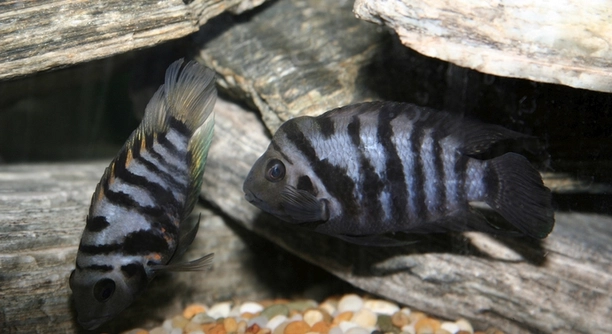
Adding new cichlids to an established tank is a common concern for many aquarium enthusiasts. It involves careful planning and understanding of fish behavior to maintain a healthy and balanced aquatic environment. Proper introduction can prevent stress and aggression among the fish.
Adding new cichlids to an established tank is possible but requires proper acclimation and monitoring. Gradual introduction and observation reduce territorial disputes and stress, ensuring the stability of the existing community while promoting healthy social interactions among the fish.
Knowing the right approach can help you avoid common problems and create a harmonious tank environment. This article will guide you through the key steps to make the process smoother and safer.
Preparing Your Tank for New Cichlids
Before adding new cichlids, it’s important to prepare the tank properly. Start by testing water parameters like pH, temperature, and hardness to match the needs of both existing and new fish. Cleaning the tank and performing a partial water change can reduce stress for all fish. Rearranging decorations and hiding spots can help reduce territorial behavior by breaking up established territories. It also helps new fish find places to hide when they feel threatened. Quarantining new cichlids in a separate tank for at least two weeks is highly recommended to monitor their health and avoid introducing diseases to the established tank. Introducing fish that are healthy and well-adjusted improves the chances of a smooth transition and lessens aggressive encounters. Taking these steps creates a more balanced environment and increases the likelihood of peaceful coexistence between new and existing cichlids.
Proper preparation reduces stress and helps maintain water quality after adding new fish.
Taking time to prepare shows respect for the needs of both current and new tank inhabitants.
Introducing New Cichlids to the Tank
Introducing new cichlids slowly is key to minimizing aggression and stress. Use a drip acclimation method to gradually adjust the new fish to the tank’s water conditions. Float the bag in the tank for 15–20 minutes to equalize temperature before slowly mixing small amounts of tank water into the bag over the next hour. When ready, gently release the fish into the tank, avoiding pouring water from the bag to prevent contamination. Observe the fish closely for signs of aggression or stress for the first few days. If problems arise, separating the fish temporarily with tank dividers can help ease the adjustment. Keep feeding schedules regular to reduce competition. Understanding the temperament and size of the new cichlids compared to the current ones will also guide how many and which fish to add safely.
Slow and careful introduction supports a peaceful tank atmosphere and helps new fish settle comfortably.
Monitoring Fish Behavior After Introduction
Watch your cichlids carefully after introducing new members to the tank. Look for signs of bullying or excessive chasing, which can lead to injury or stress. Early detection helps prevent long-term problems.
If aggressive behavior occurs, consider rearranging tank decorations or adding more hiding places to break up established territories. Sometimes separating the fish temporarily is necessary to give them time to adjust. Keep feeding consistent and avoid sudden changes to reduce stress. Monitoring behavior daily allows you to respond quickly and maintain a peaceful environment for all fish.
Patience is essential during this period. Fish need time to establish new social hierarchies. Providing a calm and stable environment helps new and existing cichlids settle in with less conflict and stress. Adjustments during this phase can make a big difference in long-term tank harmony.
Choosing Compatible Cichlid Species
Selecting compatible species reduces the risk of conflict in a community tank. Consider the temperament, size, and water requirements of each species before adding new fish. Aggressive species should be paired with equally robust or peaceful fish to avoid unnecessary stress.
Research species behavior and territory needs carefully. Some cichlids are highly territorial, while others are more social. Matching species with similar needs and temperaments leads to a better balance. Avoid overcrowding the tank, as it can increase aggression and stress levels.
Compatibility also depends on tank size. Larger tanks provide more space to establish territories and reduce conflicts. Providing adequate hiding spaces and neutral territory areas supports coexistence. Selecting the right mix of cichlids is one of the best ways to ensure a peaceful and thriving tank environment.
Tank Size and Space Requirements
Providing enough space is essential when adding new cichlids. Overcrowding leads to stress, aggression, and poor water quality. Each cichlid needs enough room to establish its territory comfortably.
Larger tanks with plenty of hiding spots help reduce conflicts. When space is limited, aggression increases as fish compete for territory and resources.
Signs of Stress in Cichlids
Stress in cichlids often shows through changes in behavior, such as hiding excessively or losing appetite. Faded colors and rapid breathing are also common signs.
Stress weakens their immune system, making them more vulnerable to illness. Watching for these signs early helps protect their health and maintain tank balance.
Feeding Considerations for New Cichlids
Feeding new cichlids separately for the first few days can reduce competition. Ensure all fish get enough food to avoid aggression linked to hunger. Use sinking pellets or flakes suitable for their diet.
Water Quality Maintenance
Good water quality supports healthy fish and reduces stress. Regular testing and partial water changes keep conditions stable. Poor water quality can lead to illness and aggression.
FAQ
Can I add multiple cichlids at once to an established tank?
Adding multiple cichlids simultaneously can work if the tank is large enough and properly prepared. It reduces the chance of one fish being singled out or bullied. However, make sure to quarantine all new fish and introduce them carefully to avoid stressing the existing population.
How long should I quarantine new cichlids before adding them to the main tank?
Quarantining new cichlids for at least two weeks is ideal. This period helps detect diseases or parasites and allows the new fish to adjust to stable water conditions. A proper quarantine reduces the risk of introducing illness to the established tank.
What is the best way to acclimate new cichlids to the tank?
The drip acclimation method is recommended. Slowly mix tank water with the water the fish arrived in over an hour. This helps adjust the fish gradually to temperature, pH, and other water parameters, reducing shock and stress.
Will adding new cichlids always cause aggression?
Some aggression is normal as fish establish territories and social hierarchies. Proper tank setup, enough space, and hiding spots can minimize aggression. Monitoring behavior closely and separating overly aggressive fish if needed can maintain peace.
What tank size is suitable for adding new cichlids?
A larger tank is better when adding new cichlids. Tanks 55 gallons or more provide enough space for territories and reduce stress. Smaller tanks increase competition, which can lead to fighting and poor health.
How can I reduce stress in new cichlids during introduction?
Prepare the tank with clean water and rearranged decorations to break existing territories. Use slow acclimation methods and keep feeding consistent. Avoid sudden changes and provide plenty of hiding spaces for the new fish to retreat if needed.
What types of cichlids are best for a community tank?
Peaceful or moderately aggressive cichlids tend to do better in community tanks. Avoid highly aggressive species or match aggressive ones with fish of similar size and temperament. Always research species compatibility before adding them.
How often should I monitor fish behavior after adding new cichlids?
Daily observation is best during the first week or two. Look for signs of aggression, stress, or illness. Early intervention helps prevent serious problems and keeps the tank environment stable for all fish.
Is it necessary to rearrange tank decorations when adding new cichlids?
Rearranging decorations helps reduce territorial disputes by disrupting established boundaries. It gives both new and existing fish a chance to establish new territories and lowers the risk of aggression.
What should I do if the new cichlids are being bullied?
If bullying occurs, increase hiding spots and rearrange decorations. Use tank dividers to separate aggressive fish temporarily. Ensure the bullied fish has places to hide and recover. Sometimes, removing the aggressor may be necessary to protect the health of others.
How can I tell if a cichlid is healthy before adding it to my tank?
Healthy cichlids swim actively, have bright colors, and clear eyes. Avoid fish with torn fins, spots, or unusual behavior like gasping or lethargy. Healthy fish adapt better to a new tank environment.
Should I change feeding routines when introducing new cichlids?
Keep feeding routines consistent to avoid added stress. Offering food in multiple spots reduces competition. Feeding new fish separately at first helps ensure they get enough nutrition without being chased away.
Can water quality affect how well new cichlids adapt?
Yes, poor water quality stresses fish and increases aggression and illness risk. Regular testing, water changes, and filtration keep water stable and support fish health during and after introduction.
How long does it take for new cichlids to settle in?
It usually takes a few days to a couple of weeks for new cichlids to adjust fully. This depends on species, tank size, and introduction methods. Patience and careful monitoring during this period help reduce conflicts.
Is it better to add juvenile or adult cichlids to an established tank?
Juvenile cichlids often adjust better since they can grow into the tank’s social structure. Adult cichlids may face more territorial aggression. However, size and temperament are important factors to consider regardless of age.
What signs indicate that a cichlid is stressed or unhappy?
Signs include hiding frequently, loss of appetite, faded colors, rapid breathing, and erratic swimming. Stress can weaken immune systems, so addressing causes quickly is important to maintain health.
Can adding new cichlids cause water quality issues?
Yes, introducing new fish can increase waste and nutrient levels. Overfeeding and overcrowding worsen water quality. Monitoring and maintaining filtration and regular water changes help prevent problems.
Should I feed new cichlids different food than the established fish?
No need to feed different food types unless specific dietary needs exist. Focus on high-quality food suitable for all cichlids, providing variety and balanced nutrition to support health.
What equipment helps when adding new cichlids?
Using a quarantine tank, tank dividers, and a drip acclimation setup improves success. Additional hiding spots, plants, and decorations help reduce aggression and stress during introductions.
How important is temperature stability when adding new cichlids?
Very important. Sudden temperature changes stress fish and increase disease risk. Match new fish temperature to the tank’s before introduction and keep it stable afterward.
Are there risks in adding new cichlids to a tank with established fish?
Risks include aggression, stress, and disease introduction. Proper preparation, quarantine, slow acclimation, and monitoring reduce these risks and support a healthy, balanced aquarium.
Adding new cichlids to an established tank requires careful attention and patience. It is not a process to rush, as the health and wellbeing of all fish involved depend on how well the introduction is handled. Proper preparation, including water testing, tank cleaning, and rearranging decorations, helps reduce stress and aggression. Quarantining new fish before adding them to the main tank is important to avoid spreading diseases. Taking these steps creates a safer environment for both new and existing cichlids and increases the chances of a smooth transition.
Once the new cichlids are introduced, it is important to monitor their behavior closely. Aggression and territorial disputes can occur, especially in the first days or weeks. Providing enough space, hiding spots, and maintaining stable water quality supports peaceful coexistence. If aggressive behavior becomes a problem, separating the fish temporarily or adjusting the tank setup may be necessary. Feeding routines should remain consistent, ensuring all fish receive proper nutrition without competition. Watching for signs of stress or illness allows early intervention, which helps maintain a balanced tank environment.
Choosing compatible species and considering tank size are also key factors in success. Larger tanks with more territory reduce conflicts and support healthier social interactions. Matching cichlids with similar temperaments and environmental needs helps create a peaceful community. While adding new cichlids can be challenging, following these guidelines leads to a thriving aquarium where all fish can coexist comfortably. With patience and careful care, your tank can grow and stay healthy over time.

Hello,
If you enjoy the content that we create, please consider saying a "Thank You!" by leaving a tip.
Every little bit helps us continue crafting quality advice that supports the health, happiness, and well-being of pets around the world, for pets of all shapes, sizes, and species.
We really appreciate the kindness and support that you show us!