
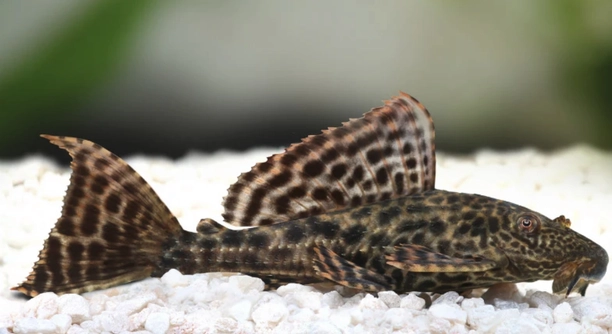
Adding a pleco to an established tank can be an exciting decision for many aquarium owners. It’s a simple and effective way to introduce a new species to your setup. However, it’s important to consider whether your tank is suitable for this addition.
Yes, you can add a pleco to an established tank, but careful consideration is needed. Plecos can be peaceful, but their size, diet, and territorial nature require a compatible environment. Ensuring appropriate tank conditions and fish compatibility is essential.
Understanding the unique needs of a pleco will help you determine if it’s a good fit for your aquarium. Consider factors like tank size, water parameters, and the other fish in the tank.
Can Plecos Live with Other Fish?
Plecos are generally peaceful creatures, making them suitable for many community tanks. They usually keep to themselves, spending most of their time scavenging for food on the bottom of the tank. However, certain tank mates can lead to issues, especially with more aggressive or territorial species. Plecos are often bottom dwellers, so they might compete with other fish for space. It’s important to pair them with peaceful fish that don’t pose a threat to their well-being. Larger pleco species can grow quite big, so they might unintentionally intimidate smaller fish.
While plecos are usually peaceful, it’s essential to monitor their behavior when first introduced. Some plecos can be territorial, especially larger species. Keeping an eye on any aggressive behavior in the tank is a good practice for maintaining harmony.
When selecting tank mates, ensure they are compatible in size and temperament. Avoid overly territorial fish, as they could create stress for your pleco. In addition, it’s best to house them with other peaceful, bottom-dwelling fish to prevent competition for space and food.
Tank Conditions for a Pleco
Plecos need specific water conditions to thrive. They require clean, well-maintained tanks with stable temperatures. Make sure the water temperature is between 72°F and 82°F, which is ideal for most species. Regular water changes are necessary to maintain water quality, as plecos can produce a fair amount of waste. A filtration system is also a must, as it will help keep the water clear and free from harmful toxins.
It’s also crucial to monitor the pH level and hardness of the water. Plecos tend to do well in slightly acidic to neutral water, with a pH range of 6.5 to 7.5. In terms of hardness, a range of 4-10 dGH is ideal for most plecos. Keeping a consistent environment will not only keep your pleco healthy but will also help your other fish thrive.
Be mindful of your pleco’s needs. Providing a stable, clean environment will help them adjust better to their new home. Pay attention to water parameters and perform regular checks. A well-maintained tank will lead to a happy and healthy pleco in the long run.
Size and Growth Considerations
Plecos can grow quite large, depending on the species. Some types of plecos, like the common pleco, can reach lengths of up to 24 inches, while others, such as the bristlenose pleco, stay much smaller, typically under 6 inches. Make sure you have enough space in your tank to accommodate their full size.
If you’re adding a pleco to an already-established tank, consider its potential growth. Larger plecos need at least a 75-gallon tank to thrive, and that tank should have plenty of hiding spots and surfaces for them to graze. Overcrowding can stress plecos and other fish.
Providing enough space for plecos to grow is essential for their health. Ensure that your tank has sufficient room for them to move around comfortably. A larger pleco may also require stronger filtration, as their waste can impact water quality more significantly. Proper space helps avoid conflicts and stress, keeping everyone in the tank happy.
Pleco Diet and Feeding Tips
Plecos are primarily herbivores, but they can also eat some animal matter, like algae wafers and certain types of sinking pellets. They enjoy grazing on algae, making them natural cleaners in aquariums. However, you’ll need to supplement their diet with a variety of foods, including vegetables like zucchini and cucumber.
It’s essential not to overfeed them, as plecos can become obese, especially in tanks with limited algae growth. Offer them vegetables like spinach, lettuce, or peas, and make sure you add algae wafers or other plant-based foods regularly. If your pleco isn’t finding enough algae, be proactive in offering them alternative food sources.
Keep track of your pleco’s eating habits. If it’s not eating properly or appears to be losing weight, adjust their diet to ensure they’re getting enough nutrition. Offering a variety of foods will not only help them grow but also contribute to their overall well-being.
Pleco Tank Maintenance
Plecos are known for producing a lot of waste, so regular tank maintenance is a must. Frequent water changes help maintain water quality and prevent harmful toxins from building up. A strong filtration system is essential to keep the tank clean and the pleco healthy.
It’s a good idea to perform at least a 25% water change every two weeks. Clean the substrate and remove any uneaten food to avoid water contamination. Regular maintenance not only helps the pleco but also supports other tank inhabitants, keeping the entire ecosystem balanced.
Proper tank maintenance will prevent issues like high ammonia levels or poor water conditions, which could harm your pleco. Keep the tank clean to ensure the best possible environment for both your pleco and other fish. A well-maintained tank leads to a thriving aquarium.
Pleco Behavior
Plecos are generally peaceful but can become territorial, especially when they feel cramped or stressed. They may display aggressive behavior toward other bottom dwellers, especially if they don’t have enough space to roam. It’s crucial to provide enough hiding spots for them to feel secure.
Being bottom dwellers, plecos can also be nocturnal, meaning they might become more active at night while others are resting. If you’re adding a pleco to an established tank, be mindful of their territorial instincts. They might claim a corner or hiding space, so it’s important to provide multiple shelters.
Plecos and Tank Compatibility
When choosing tank mates for your pleco, make sure they are peaceful and won’t compete for the same resources. Fish like tetras, rasboras, or peaceful cichlids work well with plecos. Avoid aggressive fish that might harass or outcompete the pleco for food or space.
FAQ
Can I add a pleco to a tank with aggressive fish?
Adding a pleco to a tank with aggressive fish isn’t recommended. Plecos are peaceful, bottom-dwelling fish that may be intimidated or harassed by more aggressive species. Larger, territorial fish might also compete with the pleco for hiding spots or space. It’s important to choose tank mates that are non-aggressive and won’t stress your pleco. If your tank already has aggressive fish, consider adding a pleco that stays smaller, like a bristlenose pleco, which is less likely to be a target.
Do plecos need a heater in the tank?
Yes, plecos need a heater to maintain a stable water temperature. Most pleco species prefer temperatures between 72°F and 82°F (22°C to 28°C). Without a heater, water temperature fluctuations can stress plecos and other tank inhabitants, leading to health issues. A reliable aquarium heater will help keep the water temperature within the ideal range, ensuring your pleco stays comfortable and healthy.
How often should I feed my pleco?
Plecos should be fed once or twice a day, but it’s important to monitor how much food they are actually consuming. Overfeeding can lead to water quality problems and obesity. Provide a variety of foods, including algae wafers, sinking pellets, and fresh vegetables. Make sure to remove any uneaten food within a few hours to avoid contamination. Plecos often graze on algae, but in a tank without enough algae growth, supplementing their diet is necessary.
What is the lifespan of a pleco?
Plecos can live for a long time if they are cared for properly. On average, plecos live between 10 to 15 years, although some species may live longer under optimal conditions. Providing a stable tank environment, proper diet, and regular maintenance will help ensure your pleco lives a long, healthy life. Larger plecos generally have longer lifespans, while smaller species may live a bit shorter but can still reach up to 10 years.
Do plecos need to be fed algae?
Algae makes up a significant portion of a pleco’s natural diet, but they also need other food sources. If there isn’t enough algae in the tank, you’ll need to provide algae wafers, sinking pellets, or fresh vegetables like zucchini, spinach, or cucumber. Plecos are natural algae eaters, but they still require a varied diet for optimal health.
Why is my pleco not eating?
If your pleco isn’t eating, there could be several reasons. Stress from being introduced to a new tank, water quality issues, or unsuitable tank mates could affect their appetite. Check water parameters like temperature, pH, and ammonia levels to ensure they’re within the right range. Also, make sure that food is being offered at the right time and that it’s appropriate for their diet. If the problem persists, check for signs of illness or injury that might be affecting their ability to eat.
Can plecos live with shrimp or snails?
Yes, plecos can generally live with shrimp or snails in a peaceful tank setup. However, some larger pleco species may accidentally harm smaller shrimp or snails while foraging for food. If you have a smaller pleco, such as a bristlenose, they are less likely to cause harm to these tank mates. Make sure to provide plenty of hiding places for shrimp, as they may feel vulnerable in the presence of larger fish.
Do plecos need a lot of space?
Yes, plecos require a lot of space, especially as they grow. Larger species, like the common pleco, can reach up to 24 inches and need a tank of at least 75 gallons. Even smaller plecos, like bristlenose plecos, still need plenty of space to roam. Overcrowding can lead to stress, poor water quality, and territorial disputes. Make sure your tank is large enough to accommodate your pleco and its tank mates comfortably.
Why does my pleco keep hiding?
It’s normal for plecos to hide during the day, as they are nocturnal animals. Plecos tend to be more active at night, and during the day, they often seek out hiding spots where they feel safe. However, if your pleco is constantly hiding and not coming out to eat, it could be a sign of stress, illness, or poor water quality. Check the tank conditions to ensure that everything is optimal for your pleco’s health.
Can plecos breed in a home aquarium?
Breeding plecos in a home aquarium is possible, but it can be a challenge. Most plecos breed in caves or similar structures, so you’ll need to provide a breeding site like a PVC pipe or a clay pot. The male pleco will usually guard the eggs and the young once they hatch. However, not all plecos breed easily in captivity, and some species require very specific conditions to breed. If you want to attempt breeding, ensure the tank is properly set up with the right water parameters, food, and hiding places.
What’s the difference between a common pleco and a bristlenose pleco?
The common pleco (Hypostomus plecostomus) is much larger than the bristlenose pleco (Ancistrus spp.). The common pleco can grow up to 24 inches long, while the bristlenose pleco typically grows to around 6 inches. Bristlenose plecos are also easier to care for in smaller tanks, making them a more suitable option for home aquariums. Additionally, bristlenose plecos have distinctive bristle-like structures on their faces, which makes them easier to identify.
Can plecos live with bettas?
Plecos can live with bettas if both are peaceful and have enough space. However, it’s important to watch for any signs of aggression. Bettas are known for being territorial, especially males, and may not tolerate the presence of another fish. Plecos, being bottom dwellers, generally stay out of the betta’s way, but always monitor their interactions. If you notice any signs of aggression, it’s best to separate them to prevent stress or injury.
Final Thoughts
Adding a pleco to an established tank can be a great decision, but it requires careful thought and preparation. Plecos are generally peaceful fish, making them suitable for many community tanks. However, you need to consider the size of your tank, the other fish in the tank, and the pleco species you choose. Some plecos grow quite large, while others stay smaller, so knowing the adult size of your pleco is important to ensure your tank can accommodate them. A larger pleco, like the common pleco, will need more space and a bigger tank, while smaller species, such as the bristlenose pleco, are more suited to smaller setups.
In addition to considering tank size, you should also focus on water quality. Plecos produce a fair amount of waste, so having a good filtration system and performing regular water changes are necessary to maintain a healthy environment. They also need stable water temperatures and specific pH levels, so it’s essential to keep the water conditions within the recommended range for your pleco’s species. Without proper tank maintenance, you could run into issues like poor water quality, which can harm both your pleco and other fish in the tank.
Finally, feeding your pleco the right diet is vital for its health and well-being. Plecos are primarily herbivores, so they need a steady supply of plant-based foods, such as algae wafers, vegetables, and sinking pellets. While they help keep the tank clean by eating algae, they still require supplemental feeding. Offering a variety of foods ensures they get the necessary nutrients for growth. Regular feeding and monitoring of their eating habits are key to keeping your pleco happy and healthy. Overall, with the right environment, food, and care, a pleco can thrive in your tank for many years to come.

Hello,
If you enjoy the content that we create, please consider saying a "Thank You!" by leaving a tip.
Every little bit helps us continue crafting quality advice that supports the health, happiness, and well-being of pets around the world, for pets of all shapes, sizes, and species.
We really appreciate the kindness and support that you show us!