
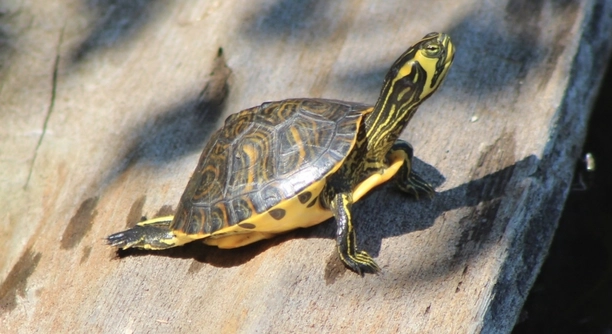
Yellow-bellied sliders are common pets in many households. As reptile lovers, we often wonder what foods are safe and nutritious for them. Squash is one food that might cross your mind, but is it suitable for these turtles?
Yellow-bellied sliders can eat squash in moderation. Squash is a good source of vitamins and fiber, but should be given occasionally. It should not replace their main diet of protein and leafy greens, which are essential for their health.
If you’re considering offering squash to your turtle, it’s important to understand how to properly introduce it to their diet.
Nutritional Value of Squash for Yellow-Bellied Sliders
Squash can be a healthy addition to a yellow-bellied slider’s diet. It’s rich in vitamins A and C, which are essential for maintaining a strong immune system and good vision. The high water content in squash also helps with hydration, especially for turtles that spend a lot of time in their habitat. Additionally, the fiber in squash supports digestion, which is crucial for their overall health. However, squash should not be a turtle’s primary food source. While it’s nutritious, it lacks the necessary protein that yellow-bellied sliders need for proper growth and development. It’s best to offer squash as an occasional treat, balancing it with other foods like leafy greens and high-quality protein sources to ensure a well-rounded diet. Introducing a variety of vegetables will help prevent boredom and provide all the essential nutrients your turtle needs.
Squash provides several benefits, but remember to feed it in moderation. While healthy, it should not replace the primary food sources needed for growth.
Yellow-bellied sliders require a balance of protein, vegetables, and fruits to stay healthy. Squash is low in protein and should not be the primary vegetable offered. To create a balanced meal, you can offer leafy greens like kale and dandelion greens alongside a protein source such as crickets, fish, or pellets. Squash should be viewed as an occasional treat to add variety to their diet. When serving squash, make sure it’s cut into small, manageable pieces to avoid choking hazards. Removing the seeds is also important, as they can be difficult for your turtle to digest. Additionally, always wash the squash thoroughly to remove any pesticides or chemicals. By giving squash in moderation, you’re helping ensure your yellow-bellied slider remains happy and healthy.
How to Prepare Squash for Your Turtle
Preparing squash for your yellow-bellied slider is straightforward. Start by choosing fresh squash, as older squash may lose its nutrients. Cut the squash into small pieces that are easy for your turtle to eat. Always remove the seeds before serving, as they can cause digestive issues. After cutting, rinse the squash well to remove any dirt or pesticides. Steamed squash is also an option, though raw squash retains more nutrients. Be sure to give squash in small quantities. A healthy diet involves variety, so limit how often you offer squash, keeping it part of a well-rounded feeding routine.
Risks of Feeding Too Much Squash
Overfeeding squash to your yellow-bellied slider can cause imbalances in their diet. Too much squash, especially in place of more protein-rich foods, can lead to nutritional deficiencies.
Squash is high in water and fiber, which is beneficial in moderation. However, too much fiber can interfere with the absorption of essential nutrients, leading to digestive issues. Squash lacks the necessary protein and fat that turtles need to thrive. Relying too heavily on squash can make it harder for your turtle to gain the nutrients required for proper growth and a healthy shell. When feeding squash, always balance it with other foods to prevent these issues.
Offering a variety of foods, such as leafy greens, protein, and occasionally fruits, will provide the necessary balance. Overfeeding squash can also result in the turtle refusing other, more nutrient-dense foods. Consistency in offering a varied diet is key to your turtle’s health.
Squash as a Supplement to Other Vegetables
Squash should not be the only vegetable you offer your yellow-bellied slider. Incorporating a wide range of vegetables into their diet is crucial for their health. Squash can supplement greens like kale, collard greens, and dandelion leaves, providing a bit of sweetness and texture. This variety ensures your turtle gets the full spectrum of vitamins, minerals, and fiber.
While squash provides some essential nutrients, it lacks others, such as calcium and certain antioxidants. Offering other vegetables, such as turnip greens or mustard greens, will help prevent deficiencies. These vegetables, alongside protein sources, create a well-rounded and healthy feeding routine for your yellow-bellied slider. Squash can be an occasional offering alongside these staples, adding diversity to their meals and enriching their diet. The goal is to maintain balance and variety, ensuring your turtle receives the best possible nutrition for long-term health.
Can Squash Be Fed to Baby Yellow-Bellied Sliders?
Baby yellow-bellied sliders can eat squash, but it should be introduced cautiously. Their digestive systems are more sensitive, so it’s important to feed smaller portions. Squash should never be the main part of their diet.
When feeding baby turtles, focus on providing protein-rich foods like fish and insects. While squash is safe, it’s best given occasionally and in small, manageable pieces. Offering too much squash too soon can cause digestive upset. It’s essential to maintain a balanced diet to ensure their healthy growth and development. Always prioritize the proper nutrients for baby turtles, such as calcium and protein.
Squash and Turtle Shell Health
Feeding squash in moderation may support healthy shell growth in yellow-bellied sliders. The vitamins and antioxidants found in squash help maintain the integrity of the shell. Squash can supplement other foods that promote healthy bone and shell development, such as calcium-rich vegetables.
A strong shell is crucial for the turtle’s protection, and a balanced diet plays a key role in its development. While squash provides vitamins A and C, other foods rich in calcium, like collard greens and dandelion greens, are essential for stronger shell growth. Squash can complement a healthy diet but should never be the primary source of nutrition. A balanced approach ensures that all aspects of your turtle’s health are supported.
Frequency of Squash Feedings
Squash should be offered occasionally, about once or twice a week. It is important to prevent overfeeding and maintain a diverse diet. Keeping squash as a treat allows for a balanced nutritional intake.
FAQ
Can yellow-bellied sliders eat squash every day?
No, yellow-bellied sliders should not eat squash every day. Squash should be an occasional treat, given once or twice a week at most. A balanced diet is crucial for your turtle’s health. Too much squash can lead to digestive issues or nutrient imbalances, so variety is key.
Is squash good for baby yellow-bellied sliders?
Squash can be given to baby yellow-bellied sliders, but in moderation. Baby turtles have sensitive digestive systems, so it’s best to offer smaller pieces and infrequent servings. Protein-rich foods should make up the bulk of their diet, with squash serving as a supplementary treat rather than a primary food.
How should I prepare squash for my yellow-bellied slider?
To prepare squash for your turtle, cut it into small, manageable pieces to avoid choking hazards. You can serve it raw, but be sure to wash it thoroughly. Remove any seeds, as they can be hard for your turtle to digest. You can also steam the squash lightly, but avoid adding any seasoning or oils.
Can squash replace leafy greens for yellow-bellied sliders?
No, squash should not replace leafy greens. Leafy greens such as kale, collard greens, and dandelion greens are essential for your turtle’s nutrition. Squash can be a good addition to their diet, but leafy greens are more nutrient-dense and provide essential vitamins and minerals that squash lacks.
Can yellow-bellied sliders eat squash seeds?
It’s not recommended to feed squash seeds to yellow-bellied sliders. While small amounts of seeds may not cause harm, they can be difficult to digest and may lead to gastrointestinal issues. It’s best to remove the seeds before offering squash to your turtle to avoid potential problems.
Is squash safe for adult yellow-bellied sliders?
Yes, squash is safe for adult yellow-bellied sliders when given in moderation. It’s a good source of vitamins and fiber, but it should not be the main food. Adult turtles need a diet that includes a variety of vegetables, protein, and calcium-rich foods for optimal health.
What types of squash are safe for yellow-bellied sliders?
Both summer squash and winter squash are safe for yellow-bellied sliders. Summer squash, like zucchini, has a higher water content, while winter squash, such as butternut or acorn, has a firmer texture and is more nutrient-dense. Both types are safe when prepared properly.
Should I feed my yellow-bellied slider cooked squash?
You can feed your yellow-bellied slider cooked squash, but it should be steamed lightly without any added seasonings or oils. Cooking can make squash easier to digest and may increase some nutrient absorption. However, raw squash can also be fed and retains more of its natural nutrients.
Can squash cause diarrhea in turtles?
Feeding too much squash can cause diarrhea in turtles due to its high water content and fiber. This can lead to dehydration and digestive upset. To avoid this, offer squash in small portions and monitor your turtle’s reaction. If diarrhea occurs, reduce the frequency of squash servings.
How much squash should I feed my turtle?
Squash should make up no more than 10-15% of your turtle’s total diet. The majority of their food should come from protein sources, leafy greens, and other vegetables. Offering small portions of squash once or twice a week is sufficient to provide variety without overloading your turtle with sugar or fiber.
Can yellow-bellied sliders eat squash with skin?
Yes, yellow-bellied sliders can eat squash with the skin on, as long as it’s washed thoroughly to remove any pesticides or dirt. The skin contains additional nutrients and fiber that can benefit your turtle. However, if your turtle is new to squash, it might be easier for them to digest if the skin is peeled off.
Is squash high in sugar for yellow-bellied sliders?
Squash is relatively low in sugar compared to fruits, but it still contains some natural sugars. While it’s not harmful in small amounts, overfeeding squash could contribute to an imbalance in your turtle’s diet. Squash should be offered occasionally, as part of a varied diet that doesn’t rely heavily on sugary foods.
What should I feed my turtle instead of squash?
Instead of squash, offer a variety of leafy greens, such as kale, mustard greens, and dandelion greens, as well as protein sources like insects, fish, and high-quality pellets. Offering a mix of vegetables, proteins, and occasional fruits ensures your turtle gets the full range of nutrients needed for a healthy life.
Feeding yellow-bellied sliders a balanced diet is essential for their health and longevity. While squash can be a nutritious treat, it should not make up the bulk of their diet. Squash offers important vitamins and fiber, but it lacks the protein and calcium needed for proper growth and shell development. When feeding your turtle, it’s best to offer a variety of foods to ensure they get all the nutrients they need. Combining protein-rich foods like insects and fish with leafy greens will help maintain a well-rounded diet.
Squash should be seen as an occasional supplement to their meals rather than a mainstay. Too much squash can lead to digestive problems due to its high fiber content and lack of other essential nutrients. If you overfeed squash, your turtle might start to ignore other foods that provide vital nutrients. Maintaining a healthy balance of vegetables, protein, and fiber is key. By offering squash in moderation and ensuring it is part of a diverse diet, your turtle will get the best of both worlds—a treat and the nutrition they need to thrive.
In conclusion, yellow-bellied sliders can enjoy squash, but it should only be given in moderation. A varied diet that includes different vegetables, protein, and occasional fruits will ensure your turtle’s health in the long term. When introducing squash, make sure it’s cut into small pieces and free from seeds. Always monitor how your turtle responds to new foods, and adjust accordingly. With proper care and attention, your yellow-bellied slider will live a long, healthy life.

Hello,
If you enjoy the content that we create, please consider saying a "Thank You!" by leaving a tip.
Every little bit helps us continue crafting quality advice that supports the health, happiness, and well-being of pets around the world, for pets of all shapes, sizes, and species.
We really appreciate the kindness and support that you show us!