
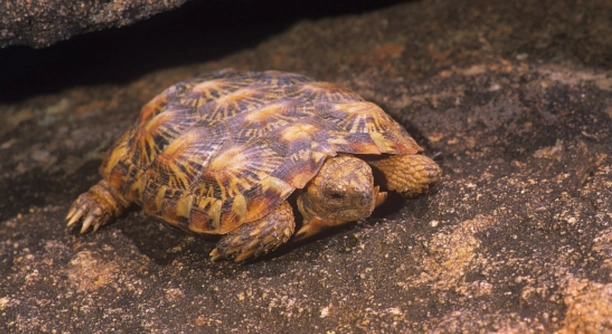
Tortoises can be fascinating pets, and many owners develop a strong bond with them. You might wonder if your tortoise can recognize you and whether they form connections with their human caretakers.
Tortoises do have the ability to recognize their owners, especially through consistent routines and familiar sights. While they may not form emotional bonds like dogs, they can associate their owners with food, safety, and regular interactions.
Understanding how tortoises interact with their owners will give you insight into their behaviors and how you can strengthen your relationship with them.
How Tortoises Recognize Their Owners
Tortoises rely on their senses to identify their surroundings, and they can learn to associate certain stimuli with specific people. The primary way tortoises recognize their owners is through consistent, repetitive experiences, particularly when it comes to feeding time. Over time, they may begin to associate their owner’s presence with food, which can help them learn to distinguish between different people. Tortoises also rely on sight and scent to identify their caretakers. If an owner is regularly present in their environment and engages in familiar routines, the tortoise can gradually make the connection. However, tortoises are not as reliant on human interaction for emotional bonds as some other pets, such as dogs or cats. They may not express affection, but they can form recognizable patterns that help them identify their caretakers.
Owners can help reinforce this recognition by keeping a consistent schedule for feeding, cleaning, and handling. Through repeated, positive interactions, a tortoise will grow familiar with its owner, though it may never seek out attention or affection. It’s also important to note that a tortoise’s recognition is largely linked to food and routine, not necessarily personal attachment.
Over time, you may notice that your tortoise reacts differently when you enter the room, especially if you’re the one who typically provides food or care. This recognition can make caring for them easier and more efficient. However, it is important to remember that tortoises are generally not as social as some pets, so while they may recognize their owners, their behaviors may not be as demonstrative.
What Happens When a Tortoise Doesn’t Recognize Its Owner?
If a tortoise doesn’t recognize its owner, it’s likely due to a disruption in the routine or a lack of consistent interaction. Tortoises are creatures of habit, and any major changes in their environment can confuse them.
For example, if you’ve been away for an extended period or changed the way you handle them, they may not immediately recognize you. This can lead to them acting more skittish or indifferent. The key is to stay patient and provide regular interactions so they can learn to identify you again. When the bond isn’t formed or maintained, tortoises might display behaviors like hiding or showing disinterest. However, with time and consistency, they will likely recognize their owner once more.
The Role of Consistency in Building Recognition
Tortoises thrive on consistency, especially when it comes to their daily routines. Feeding, cleaning, and interactions should happen around the same time each day for the tortoise to start recognizing patterns. The more regular the schedule, the easier it will be for your tortoise to associate you with those events. This helps them connect your presence with something positive.
It’s important to maintain a predictable environment for them. When you provide food at the same time and in the same way, your tortoise will begin associating you with comfort and safety. This not only helps build recognition but also trust over time. They rely on routines to feel secure, so any disruption can lead to confusion. Over time, as you stick to the same patterns, your tortoise will recognize you as a reliable part of their daily life.
The role of consistency cannot be overstated. When you become a consistent part of their routine, they will start to notice you more. However, remember that they won’t express their recognition in ways similar to more affectionate animals like dogs. Your tortoise may not show excitement or affection, but it will begin to associate you with positive experiences.
Tortoise Behavior: How They Show Recognition
Tortoises may not show affection or excitement in the way we expect from pets like dogs or cats, but they do have unique ways of showing recognition. When they begin to recognize you, you may notice them responding more calmly when you approach. They might not hide or retreat as quickly as they once did. If they’re familiar with your voice, they might even come towards you when they hear you.
They don’t jump or greet you, but they will respond positively when they’re used to you. This behavior can also be linked to feeding. As they begin to associate you with food, they may approach you more confidently. You’ll likely notice a more relaxed demeanor during routine activities, like cleaning their enclosure or taking them outside.
Building recognition takes time, but patience is key. They won’t necessarily rush to greet you, but they’ll become more comfortable and familiar with your presence. Over time, tortoises can learn to see you as a safe and familiar figure in their environment.
Tortoises and Emotional Bonds
Tortoises are not known for forming emotional bonds like dogs or cats. They do not seek out attention or affection and rarely display behaviors that show love. However, they can become familiar with their owners and recognize them through routine and consistent interactions.
While tortoises may not be emotionally attached, they still appreciate regular care. Over time, they become accustomed to their owner’s presence and associate them with positive experiences like feeding and safety. These routines help form a practical connection, even if it’s not an emotional one. The more consistent the care, the more they’ll trust you.
Tortoises do not crave attention in the same way other pets might, but they will recognize their owners through actions and routines. Their form of recognition is subtle and often based on association rather than affection. This doesn’t mean they don’t care for their environment or owners, but they don’t form the deep emotional attachments that other pets do.
Can Tortoises Get Attached to Humans?
Tortoises do not have the same attachment style as mammals like dogs or cats. They don’t seek companionship, nor do they show excitement when their owners return. However, they can form a basic level of trust and comfort through familiarity.
This attachment is mostly practical, built on routine and consistency. Tortoises rely on predictable care to feel safe. Over time, they may recognize their owner through scent or sight, but this is not an emotional attachment. Instead, it is more about identifying a caregiver. Their comfort grows through routine, rather than emotional bonding.
Tortoises’ Ability to Recognize Faces
Tortoises can distinguish between different people based on sight and scent. However, their recognition is not as advanced as that of more social animals. They don’t recognize faces in the same way humans or dogs might, but they do learn to associate specific individuals with certain actions, like feeding.
Their recognition is linked more to familiarity than a deep understanding of human features. Over time, they may distinguish between the person who feeds them regularly and others who don’t interact with them as much. While they might not recognize faces exactly, they can certainly identify patterns.
FAQ
Can tortoises recognize their owners by sight?
Yes, tortoises can recognize their owners by sight, but their recognition is more about familiarity rather than specific facial features. They rely on the shape, movement, and presence of their owner to distinguish them from others. Over time, they associate these visual cues with routines, like feeding. If you are the one consistently providing care, they will begin to recognize you based on these patterns. However, they may not distinguish between different people as sharply as dogs or other pets do.
Do tortoises bond with their owners?
Tortoises do not form bonds in the same way that more social pets, like dogs or cats, do. They don’t seek companionship or affection, and their behavior is driven more by survival instincts than emotional attachment. However, they can develop a sense of comfort and trust with their owner if they are consistently provided with food, care, and safety. They will recognize their owner’s presence and associate them with positive experiences like meals and security. While not a bond in the emotional sense, this recognition can feel like attachment to a tortoise.
How can I help my tortoise recognize me?
To help your tortoise recognize you, maintain a consistent routine. Feed them at the same time every day, and handle them gently in a familiar way. This predictability helps them associate you with food and care. If you’re the one who provides daily care, your tortoise will begin to expect your presence, making recognition easier. Avoid changing the routine too often, as this can confuse your tortoise and delay the recognition process. Over time, they will begin to associate your actions and presence with safety and comfort.
How long does it take for a tortoise to recognize its owner?
The time it takes for a tortoise to recognize its owner can vary depending on the tortoise’s species, age, and the consistency of care. Generally, it may take a few weeks to a few months for a tortoise to start recognizing its owner. This recognition is more about routine than emotional attachment, so the more consistently you care for your tortoise, the quicker they will begin to associate you with food and safety. The key is patience and providing regular, predictable care.
Do tortoises feel lonely?
Tortoises are solitary animals by nature and do not experience loneliness the way social animals do. They do not need companionship from other tortoises or humans to feel secure. Instead, they rely on their environment and routines to feel comfortable. While they may recognize their owners, they don’t require constant interaction or affection. If a tortoise is provided with enough space and consistent care, it will not suffer from loneliness. However, it’s still important to provide enrichment through regular feeding, handling, and environmental stimulation to keep them healthy.
How can I tell if my tortoise is comfortable with me?
Your tortoise will show signs of comfort through relaxed behavior. If it approaches you calmly, rather than hiding or retreating when you enter the room, it’s a good sign that it is comfortable with you. Tortoises may also respond to food or treats when you are around, as they associate you with positive experiences. If your tortoise seems at ease when you handle it and doesn’t show signs of stress, such as rapid movement or withdrawal, it’s likely comfortable with you. Regular interaction and a predictable routine help build this sense of comfort.
Why does my tortoise not seem to recognize me?
If your tortoise doesn’t recognize you, it may be due to inconsistent care or a lack of regular interaction. Tortoises are creatures of habit, and they learn through repetition. If you’ve been inconsistent with feeding times, handling, or environment changes, it might confuse your tortoise. Another reason could be stress or health issues. If a tortoise is unwell or stressed, it may not show the same behavior it would when healthy and relaxed. Be patient and maintain a steady routine, and your tortoise should begin to recognize you with time.
Can a tortoise get attached to other animals?
Tortoises do not typically form attachments to other animals in the way dogs or cats do. While they may tolerate other pets in their environment, they do not seek companionship or emotional connections with them. Tortoises are solitary animals and are more focused on survival instincts than social interactions. They may coexist peacefully with other animals, but they will not form bonds with them. Their primary focus is on their routines, food, and safety, and they do not rely on other animals for comfort.
Do tortoises like being handled?
Tortoises do not generally enjoy being handled, especially for long periods. They may tolerate brief handling if it’s part of their routine, but they prefer to remain in their own space. If your tortoise seems stressed or tries to retreat when you handle it, it’s a sign that it’s not comfortable. It’s important to handle them gently and sparingly to avoid stressing them out. Overhandling can cause discomfort and stress, so it’s best to keep handling sessions short and only when necessary.
Can tortoises remember people?
Tortoises can remember people, but their memory is linked more to routine and association than personal attachment. They can recognize individuals through sight, sound, and scent, especially if those individuals are regularly involved in their care, such as feeding them or providing shelter. However, this recognition is not based on emotional memory, but rather on repetitive experiences. If you consistently care for your tortoise, it will learn to recognize you, but not in the same way a dog or cat might recognize their owners.
Final Thoughts
Tortoises are fascinating creatures, and while they may not form deep emotional bonds like other pets, they do have the ability to recognize their owners. Their recognition is based more on routines and consistency rather than affection. Over time, through repeated experiences, they begin to associate their owners with food, safety, and care. Although this recognition may not appear as outward affection, it is a form of trust and familiarity that tortoises develop with their caretakers.
Understanding your tortoise’s behavior and needs is key to fostering a positive relationship. They do not crave attention or companionship in the same way dogs or cats do, but they thrive on routine and familiarity. Being patient and consistent with their care will help build this recognition. While tortoises might not express excitement or affection, they will begin to feel more comfortable and relaxed around the person who consistently provides for them. The connection you form with your tortoise is less about emotional attachment and more about trust through consistent, positive interactions.
It’s important to remember that every tortoise is different, and their behaviors can vary. Some may recognize their owners faster than others, while some may take longer to adjust. Regardless of their pace, consistency is key. Tortoises are creatures of habit, and the more predictable their environment, the more they will feel secure. Whether you’re a new tortoise owner or have had one for years, understanding how they form recognition can improve your relationship and help you provide the best care possible.

Hello,
If you enjoy the content that we create, please consider saying a "Thank You!" by leaving a tip.
Every little bit helps us continue crafting quality advice that supports the health, happiness, and well-being of pets around the world, for pets of all shapes, sizes, and species.
We really appreciate the kindness and support that you show us!