
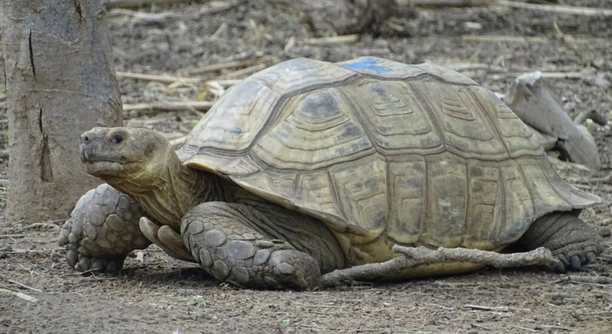
Tortoises have varied diets, and knowing what to feed them is crucial. Among the many options, roaches might seem like a possible snack. Understanding their suitability for tortoises is important to ensure proper nutrition and health.
Tortoises can eat roaches, but they should only be offered as an occasional treat. Roaches are high in protein, which is beneficial in moderation, but feeding them too often can lead to an imbalance in the tortoise’s diet.
Understanding the appropriate feeding practices can help maintain your tortoise’s health and well-being. We will look into what to keep in mind when offering insects like roaches to your pet.
The Nutritional Benefits of Roaches for Tortoises
Roaches are rich in protein and fat, which are important nutrients for tortoises, especially for younger ones that need more protein for growth. When fed in moderation, they can contribute to a balanced diet. They also contain essential amino acids that support overall health. The exoskeletons of roaches provide fiber, which aids in digestion. However, it’s essential to remember that protein should be limited in a tortoise’s diet, as excessive intake can lead to health issues like kidney problems or obesity.
Roaches are not a main food source for tortoises. They are best used as a supplemental treat, providing variety in their diet. Regular feeding can cause an imbalance in their nutritional intake.
Too much protein can disrupt the delicate balance of nutrients tortoises need. As an occasional treat, roaches can add variety and excitement, but it’s crucial to provide a diet primarily made up of leafy greens, vegetables, and occasional fruits. Always ensure any insect you feed is free from pesticides or harmful chemicals.
Potential Risks of Feeding Roaches to Tortoises
Roaches, while beneficial in small quantities, do pose some risks to tortoises. The primary concern lies in the nutritional imbalance they may create when fed too often. A high-protein diet can cause long-term health issues, including kidney damage.
Another consideration is the size of the roach. If the insect is too large, it could pose a choking hazard or cause digestive problems. Additionally, some species of roaches may carry parasites that could harm your tortoise. To minimize risks, it’s essential to source roaches from reputable breeders who guarantee their safety.
It’s also important to note that not all roaches are suitable for tortoises. Wild-caught roaches may have been exposed to harmful chemicals or toxins that could negatively impact your pet’s health. Always purchase from trusted sources that ensure their insects are safe and clean. The type of roach you provide can greatly influence the safety of the treat.
How to Safely Offer Roaches to Tortoises
When feeding roaches to tortoises, it’s important to make sure they are appropriately sized. Small roaches are best to avoid choking hazards. They should also be properly gut-loaded before being fed. Gut-loading refers to feeding the roaches nutritious foods before offering them to your tortoise, ensuring the insects provide maximum benefit.
Roaches should be offered in moderation. Overfeeding them could lead to nutritional imbalances. It’s best to feed them as an occasional treat, no more than once a week. This way, they can serve as an added protein source without overwhelming the tortoise’s digestive system or causing an unhealthy diet.
Make sure to clean the enclosure of any leftover roaches or insect parts after feeding. This helps avoid bacterial build-up and keeps your tortoise’s environment clean. Keeping the feeding area sanitized will also reduce the chances of introducing any unwanted pests or bacteria into your tortoise’s habitat.
Alternative Insects for Tortoises
If you’re considering variety in your tortoise’s diet, crickets, mealworms, and superworms are also good options. These insects are rich in protein and can be offered in place of roaches, following the same moderation rules. They provide a different range of nutrients that can complement a tortoise’s diet.
Be cautious with other insects as well, as some can carry diseases or parasites. Always ensure that any insects you provide come from a reputable source. The safety of your tortoise depends on the quality of the food it consumes, so it’s essential to avoid insects from unreliable sources. Additionally, offering a range of insects can help avoid over-reliance on one source of protein, which could lead to health issues.
The Importance of a Balanced Diet for Tortoises
A tortoise’s diet should consist mostly of leafy greens, vegetables, and a small amount of fruit. Protein sources like insects should only make up a small part of their diet. This balance helps ensure they get the right nutrients for proper growth and long-term health.
A diet too high in protein can cause kidney problems and obesity in tortoises. Too many insects, like roaches, can throw off this balance. Providing a variety of foods is key to avoiding these issues and ensuring your tortoise stays healthy.
What to Look for in Safe Insects
When feeding your tortoise insects, ensure they are from safe, reliable sources. Wild-caught insects can be contaminated with pesticides or parasites that could harm your pet. Always buy insects from reputable breeders who provide clean, pesticide-free options.
Ensuring that insects are properly gut-loaded before feeding is also important. This provides additional nutrients that benefit your tortoise. Providing a variety of insects can contribute to a healthy, balanced diet without compromising your tortoise’s safety.
Monitoring Your Tortoise’s Health
After introducing roaches or other insects into your tortoise’s diet, monitor its health closely. Watch for any signs of digestive issues, such as lethargy or diarrhea. If any problems arise, consult a veterinarian to address potential dietary imbalances. Regular check-ups ensure your tortoise stays in good health.
FAQ
Can tortoises eat roaches every day?
No, tortoises should not eat roaches every day. Insects like roaches are high in protein, and too much protein can lead to health issues like kidney damage and obesity. Roaches should only be offered as an occasional treat, no more than once a week, to ensure a balanced diet for your tortoise.
Are all types of roaches safe for tortoises?
Not all roaches are safe for tortoises. The best option is to feed them roaches from reputable breeders. Wild-caught roaches may carry harmful chemicals or parasites that could harm your pet. Always source roaches from trusted suppliers to avoid any potential risks to your tortoise’s health.
How often can I feed my tortoise insects?
Insects should be fed to your tortoise only occasionally. A balanced diet for a tortoise consists mainly of leafy greens, vegetables, and a small amount of fruit. Insects like roaches can be given once a week as a supplemental protein source, but it’s important to avoid overfeeding them.
Can roaches be gut-loaded for tortoises?
Yes, roaches can be gut-loaded, which means feeding them nutritious food before offering them to your tortoise. Gut-loading roaches provides added nutrients, such as vitamins and minerals, that can benefit your tortoise’s health. Make sure to feed your roaches fresh, healthy foods to ensure they are a nutritious option.
Do roaches provide enough nutrition for tortoises?
Roaches can provide some nutrition, but they should not be the main food source for your tortoise. While roaches are a good source of protein, they lack the essential vitamins and minerals found in leafy greens and vegetables. They should be fed as a treat and not replace a balanced diet.
What should I do if my tortoise refuses to eat roaches?
If your tortoise refuses to eat roaches, it may not be interested in that type of insect, or it may prefer a different food source. It’s important to offer a variety of food options, such as leafy greens, fruits, and vegetables, to ensure your tortoise is getting the proper nutrition it needs.
Can I feed wild-caught roaches to my tortoise?
It’s not recommended to feed wild-caught roaches to your tortoise. Wild roaches may have been exposed to pesticides, toxins, or parasites that could harm your tortoise. Always purchase insects from reliable breeders who guarantee their safety and cleanliness to ensure your tortoise’s well-being.
What are the signs of a protein imbalance in tortoises?
Signs of a protein imbalance in tortoises include lethargy, weight gain, and kidney issues. Excessive protein intake can lead to obesity and organ problems, so it’s important to monitor your tortoise’s diet and ensure it is properly balanced. If you notice any of these symptoms, consult a veterinarian.
Can I feed my tortoise roaches if it has a health condition?
If your tortoise has a health condition, it’s best to consult a veterinarian before introducing any new food, including roaches. Some health conditions require a specific diet, and feeding roaches may not be appropriate depending on the circumstances. A vet can help determine the best diet for your tortoise’s condition.
How can I tell if a roach is the right size for my tortoise?
The size of the roach should be appropriate for your tortoise’s size. A good rule of thumb is that the roach should be no larger than the width of your tortoise’s head. Larger insects could pose a choking hazard, so it’s essential to choose smaller roaches to reduce the risk.
Are there any other insects that are better than roaches for tortoises?
Crickets, mealworms, and superworms are good alternatives to roaches. These insects can be offered in moderation and provide a variety of nutrients. Just like with roaches, they should only be fed occasionally and should not replace the core diet of leafy greens and vegetables.
How can I safely store roaches for feeding?
Roaches should be stored in a clean, safe container with appropriate ventilation. Keep them in a cool, dry place and feed them nutritious food to ensure they remain healthy. It’s also essential to clean the storage container regularly to prevent the build-up of bacteria or waste.
Should I worry about parasites in roaches?
Parasites are a concern when feeding roaches, especially wild-caught ones. Reputable breeders typically raise roaches in clean environments, reducing the risk of parasites. If you are concerned about parasites, it’s best to have your tortoise checked by a veterinarian to ensure it is not affected by any health issues.
Can I feed my tortoise roaches that are not gut-loaded?
Feeding non-gut-loaded roaches is not ideal. Gut-loading roaches provides additional nutrition for your tortoise, so it’s recommended to offer gut-loaded insects. Without gut-loading, the roaches may not provide as many essential vitamins and minerals, which could impact your tortoise’s health in the long run.
What should I do if my tortoise starts eating too many insects?
If your tortoise starts eating too many insects, it could lead to nutritional imbalances. It’s important to regulate its diet and ensure it’s receiving the right balance of food. Offer a variety of vegetables and greens to reduce the amount of protein your tortoise is consuming.
Final Thoughts
When it comes to feeding your tortoise, variety and balance are key. Roaches can be an occasional treat, but they should not dominate your pet’s diet. A diet primarily made up of leafy greens, vegetables, and a small amount of fruit will ensure your tortoise stays healthy. Insects like roaches should only be offered sparingly, as too much protein can lead to health problems such as obesity or kidney issues. It’s important to keep this balance in mind when feeding your tortoise.
While roaches can be a good source of protein, they are not a complete food for your tortoise. Providing other types of food such as dark leafy greens, grasses, and a small selection of fruits will offer the vitamins and minerals your tortoise needs. If you choose to feed roaches, make sure they are from a trusted source to avoid any risks from pesticides or parasites. Gut-loading the roaches before feeding them can also add extra nutrients, making them a safer and more nutritious option for your tortoise.
Overall, the key to keeping your tortoise healthy is to focus on variety and moderation. Keep insects as an occasional treat, and prioritize a diet of fresh greens, vegetables, and fruits. Monitor your tortoise’s health regularly, especially after introducing new foods, to make sure they’re digesting well and staying active. If you ever have concerns about their diet or health, consulting a veterinarian is always a good choice.

Hello,
If you enjoy the content that we create, please consider saying a "Thank You!" by leaving a tip.
Every little bit helps us continue crafting quality advice that supports the health, happiness, and well-being of pets around the world, for pets of all shapes, sizes, and species.
We really appreciate the kindness and support that you show us!