
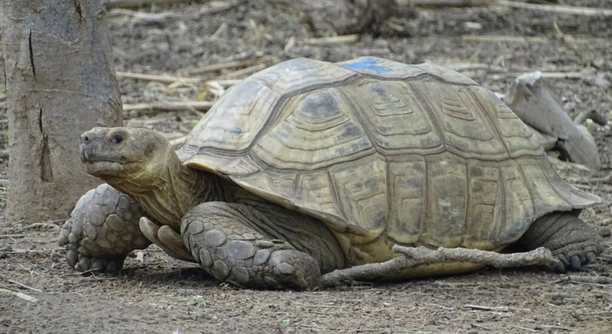
Tortoises are herbivores, and their diet primarily consists of plants. However, many tortoise owners wonder if it’s safe to feed them bread. Bread is a common food found in many homes, but is it suitable for your pet?
Tortoises should not eat bread regularly. Bread lacks the necessary nutrients for their health and can lead to digestive issues. While an occasional small piece may not harm them, it’s best to stick to their natural diet of plants and vegetables.
The right diet is essential for your tortoise’s well-being. Understanding what foods to offer ensures they remain healthy and happy.
The Risks of Feeding Bread to Tortoises
Bread, while commonly found in many households, does not provide the essential nutrients that tortoises need to thrive. Most tortoises are herbivores, and their digestive systems are not designed to handle processed foods like bread. Bread is high in carbohydrates and low in fiber, making it unsuitable for their diet. Feeding bread to your tortoise can lead to digestive problems such as constipation, bloating, and in some cases, long-term health issues. A tortoise’s diet should mainly consist of leafy greens, vegetables, and fruits that are rich in vitamins, minerals, and fiber. Introducing bread into their diet can upset the natural balance and cause harm. It’s essential to remember that while tortoises may eat small amounts of bread without immediate consequences, regular consumption can lead to nutritional imbalances and obesity, which can drastically affect their overall health.
Bread is not an ideal food for tortoises due to its lack of essential nutrients. Tortoises should be fed a diet that matches their natural feeding habits, focusing on plant-based foods.
Tortoises, especially those kept in captivity, rely on a proper diet to stay healthy. Proper nutrition affects their growth, energy levels, and even their shell development. A well-balanced diet ensures they live longer, more fulfilling lives. The diet of a tortoise should consist primarily of leafy greens, vegetables like squash, and safe fruits such as berries. Avoid feeding your tortoise processed foods like bread, pasta, and cereals, as they don’t provide the necessary nutrients. Instead, look for food that is naturally high in fiber, which helps regulate digestion. Over time, a good diet will improve the overall health of your tortoise, making them more active and vibrant. Proper feeding also helps to prevent obesity and other conditions that are linked to poor nutrition.
Alternatives to Bread for Tortoises
Tortoises thrive on a diet filled with natural foods. Some common choices include dandelion greens, collard greens, and hibiscus flowers. These foods mimic what tortoises eat in the wild.
In addition to leafy greens, tortoises can enjoy safe fruits like strawberries, apples, and melons in moderation. These fruits provide essential vitamins, but too much sugar can lead to health problems. Introduce fruits slowly into your tortoise’s diet, ensuring that they are safe and easy to digest. Offering a variety of fresh foods ensures your tortoise receives a balanced intake of nutrients. This approach promotes healthy digestion and overall well-being. Tortoises also require plenty of clean water for hydration, so always provide fresh water alongside their meals. Proper hydration aids digestion and prevents issues related to dehydration.
How Bread Affects Tortoise Digestion
Tortoises are not designed to digest bread, and it can lead to serious digestive issues. The high carbohydrate content can disrupt their natural digestive process.
When bread is consumed, it can cause bloating, constipation, or discomfort in tortoises. Their digestive systems are built to handle high-fiber plant material, not processed foods. Bread can interfere with the absorption of nutrients from their regular diet, leading to malnutrition over time. Even a small amount of bread can contribute to an imbalance in their gut health. This can make it harder for them to process the natural foods they need to stay healthy.
Feeding bread regularly can also result in obesity. Tortoises that consume too many processed foods may gain weight, which puts additional strain on their joints and overall health. Tortoises rely on a high-fiber, low-fat diet to keep their digestive system working efficiently. Introducing bread or other processed foods into their diet can interfere with this balance, leading to long-term health complications.
The Importance of a Balanced Tortoise Diet
A balanced diet is key to keeping your tortoise healthy. Offering a variety of plant-based foods ensures they get all the nutrients they need.
Tortoises require a diet rich in fiber, which helps with digestion and overall well-being. Greens such as collard, mustard, and dandelion leaves are excellent sources of fiber. Additionally, safe fruits like melons, apples, and berries can provide necessary vitamins and minerals in moderation. These foods are essential for growth, energy, and shell development. Avoid feeding your tortoise high-fat foods like nuts or processed foods like bread, as they can lead to health issues.
Including a variety of fresh, safe foods in your tortoise’s diet also helps prevent boredom. Offering different flavors and textures keeps them interested and ensures they get the variety of nutrients they need. The more diverse their diet, the better their chances of staying active and healthy. It’s important to monitor their food intake and adjust as needed based on their size and age. This careful balance promotes long-term health.
Safe Treats for Tortoises
Instead of bread, consider offering safe treats like leafy greens and edible flowers. These foods are nutritious and easy for tortoises to digest.
Leafy greens, such as kale and spinach, provide essential vitamins and minerals that help with growth and shell health. Flowers like hibiscus or dandelions are also great options. These treats are packed with nutrients and are safe for your tortoise to consume regularly. Offering these alternatives will keep your tortoise happy and healthy.
Foods to Avoid for Tortoises
Avoid feeding your tortoise sugary or processed foods. These can lead to digestive problems or long-term health issues.
Sugar-rich foods like fruit should only be offered in small amounts. Processed items like bread, pasta, or crackers should be entirely avoided. These foods don’t provide the necessary nutrients and can upset your tortoise’s digestion. Stick to a natural, plant-based diet for the best results.
Proper Hydration for Tortoises
Water is essential for your tortoise’s health. Always provide fresh water daily to ensure proper hydration.
Dehydration can lead to serious health issues, including kidney problems and digestive issues. Tortoises are naturally prone to dehydration, especially in dry environments. Keeping a water bowl accessible and clean helps maintain their hydration levels, promoting healthy digestion and overall vitality.
FAQ
Can tortoises eat bread in small amounts?
While a small piece of bread might not immediately harm your tortoise, it should not be a regular part of their diet. Bread lacks essential nutrients, and consuming it can lead to digestive issues over time. It’s best to avoid giving your tortoise bread altogether, as it can disrupt their healthy diet. Stick to plant-based foods that provide the necessary fiber, vitamins, and minerals they need.
What are the best foods for tortoises?
The best foods for tortoises include leafy greens like collard greens, kale, and mustard greens. These provide high levels of fiber and are full of essential nutrients. Additionally, safe fruits such as apples, melons, and berries can be offered in moderation. Edible flowers like dandelions and hibiscus are also excellent options. These foods mimic what tortoises would naturally eat in the wild and ensure their digestive systems function properly.
How often should I feed my tortoise?
Tortoises should be fed daily, but the amount and frequency can depend on their age, size, and species. For adults, feed them once a day, while younger tortoises may need to be fed more frequently. Always provide fresh food daily, along with fresh water. It’s important not to overfeed, as tortoises can become overweight, which leads to health problems. You should offer a variety of safe foods and monitor your tortoise’s health regularly to adjust their feeding routine as necessary.
Are fruits safe for tortoises?
Fruits are safe for tortoises, but they should be given in moderation. Many fruits are high in sugar, which can lead to obesity and digestive issues if consumed in large amounts. Safe fruits for tortoises include apples, strawberries, pears, and melons. However, fruits should only make up a small portion of their diet, with leafy greens and vegetables being the main focus.
Can tortoises eat vegetables?
Yes, vegetables are a great part of a tortoise’s diet. Vegetables like squash, carrots, and bell peppers are safe and healthy for tortoises to consume. These vegetables provide important vitamins and minerals. Avoid vegetables that are high in oxalates, like spinach, as they can interfere with calcium absorption. Ensure that vegetables are washed thoroughly to remove pesticides or chemicals.
Is it okay to feed my tortoise flowers?
Certain flowers are safe for tortoises to eat and can be a great addition to their diet. Flowers such as dandelions, hibiscus, and clover are natural food sources that provide additional nutrients. Be sure to avoid flowers that may have been sprayed with pesticides, as these can be harmful to your tortoise. Always research any flower before feeding it to your pet.
What happens if I feed my tortoise bread too often?
Feeding bread to your tortoise regularly can lead to several health issues, including obesity, digestive problems, and malnutrition. Bread is low in fiber and essential nutrients, which means it can disrupt your tortoise’s digestion and prevent them from getting the proper nutrition. Over time, this can weaken their immune system and lead to long-term health problems.
How can I tell if my tortoise is overweight?
Signs of an overweight tortoise include a rounded, bulging belly, difficulty moving around, or an unwillingness to exercise. An overweight tortoise may also be less active than usual and might have trouble climbing or walking. Keeping track of your tortoise’s weight and ensuring they have a healthy diet and enough space to move around will help prevent obesity. If you’re unsure about their weight, consult with a veterinarian for advice.
What vegetables should I avoid feeding my tortoise?
Avoid feeding your tortoise vegetables that are high in oxalates or goitrogens. Examples include spinach, kale, and certain types of cabbage, as they can interfere with calcium absorption and thyroid function. Also, avoid feeding them starchy vegetables like potatoes or onions, as these can cause digestive issues. Always check if a vegetable is safe for tortoises before offering it to them.
Can tortoises eat lettuce?
Lettuce is safe for tortoises but should be fed in moderation. Iceberg lettuce, in particular, lacks essential nutrients and offers little benefit. Romaine lettuce or other darker leafy greens are better options. Lettuce can be a nice treat, but it should not be a primary food source. Make sure to offer a variety of greens to ensure your tortoise is getting all the nutrients they need.
Should I provide my tortoise with supplements?
In most cases, a well-balanced diet consisting of fresh greens, vegetables, and safe fruits will provide your tortoise with the necessary nutrients. However, if your tortoise is lacking specific vitamins or minerals, you may need to provide supplements. Calcium is often recommended for tortoises, especially if they aren’t getting enough from their food. Always consult with a vet before adding supplements to their diet to ensure they are necessary and safe.
Can tortoises eat weeds from the garden?
Tortoises can eat some weeds from the garden, but it’s important to ensure they are safe and not contaminated with pesticides or chemicals. Weeds like clover, dandelions, and plantain are safe for tortoises. However, avoid weeds you aren’t familiar with, as some can be toxic. Always wash any weeds thoroughly before feeding them to your tortoise.
How can I prevent my tortoise from becoming dehydrated?
To prevent dehydration, always provide your tortoise with fresh, clean water. Some tortoises also enjoy soaking in shallow water, which can help them stay hydrated. If you notice signs of dehydration, such as a dry nose or a lack of urination, encourage them to drink more. A humid environment can also help, particularly in areas where the air is dry.
Can I feed my tortoise grass?
Grass is a natural part of a tortoise’s diet, but only certain types are safe. Avoid grass that has been treated with pesticides or fertilizers, as these chemicals can harm your tortoise. Common grasses like Bermuda grass and Timothy hay are good options for tortoises. Grass provides essential fiber and helps with digestion, but it should be part of a varied diet.
What should I do if my tortoise refuses to eat?
If your tortoise refuses to eat, it could be a sign of stress, illness, or improper diet. Check their environment for any changes, such as temperature, humidity, or lighting. Sometimes tortoises will stop eating if they are not feeling well. If the issue persists for more than a few days, it’s important to consult a veterinarian to rule out any underlying health problems.
Final Thoughts
While bread might not pose an immediate danger to your tortoise, it’s clear that it shouldn’t be a regular part of their diet. Tortoises thrive on a variety of greens, vegetables, and occasional fruits, which offer the necessary nutrients for their health and well-being. Bread lacks essential vitamins and fiber and can lead to health problems if fed too frequently. If you’ve accidentally given your tortoise a small piece of bread, it’s not a cause for concern, but it’s important to avoid making it a habit. Focus on providing a well-balanced diet that mirrors what your tortoise would naturally eat in the wild.
Proper nutrition is key to maintaining a tortoise’s health, and it’s important to provide fresh, safe food options that cater to their specific dietary needs. A combination of leafy greens, safe vegetables, and some fruits will support your tortoise’s growth, energy levels, and overall vitality. In addition to the right foods, access to clean water and a suitable habitat with proper temperature and humidity levels is essential for their health. Overfeeding or offering the wrong types of food can cause obesity, digestive issues, or other long-term health problems. Regularly monitoring their diet and making adjustments as needed is crucial.
Lastly, remember that tortoises are unique creatures with specific dietary requirements depending on their species and age. Researching your tortoise’s species and understanding its natural diet will go a long way in ensuring its health and happiness. If you have any concerns about your tortoise’s diet or overall well-being, consulting a veterinarian who specializes in reptiles can provide peace of mind and guidance. Keeping your tortoise’s diet simple, balanced, and focused on plant-based foods is the best approach to ensuring a long and healthy life for your pet.

Hello,
If you enjoy the content that we create, please consider saying a "Thank You!" by leaving a tip.
Every little bit helps us continue crafting quality advice that supports the health, happiness, and well-being of pets around the world, for pets of all shapes, sizes, and species.
We really appreciate the kindness and support that you show us!