
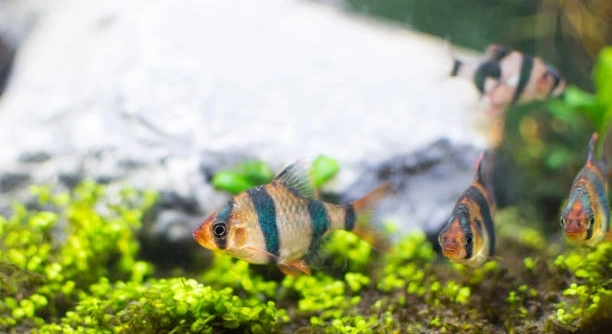
Do your tiger barbs often swim near bubble walls, making you wonder if these bubbly features are safe or even beneficial for them?
Tiger barbs can use bubble walls, but only if the current is not too strong. Bubble walls help with oxygenation and tank circulation, but excessive flow may stress or exhaust these active yet sensitive freshwater fish.
Bubble walls may look fun and decorative, but there are a few things you should know before adding one to your tiger barb tank.
Why Bubble Walls Attract Tiger Barbs
Bubble walls are often placed in aquariums for oxygenation and decoration, but tiger barbs seem especially drawn to them. These active fish enjoy movement in their environment, and the bubbles provide stimulation. The motion of the rising bubbles creates a playful effect that matches their energetic nature. Tiger barbs are social and curious, so they naturally investigate areas with activity. Bubble walls also help break up stale water and can reduce dead zones in the tank, making the entire space more enjoyable for the fish. Their darting behavior and school swimming patterns align well with the dynamic feel of bubbling water. When placed properly, bubble walls can become a safe and entertaining addition to a tiger barb tank. However, this doesn’t mean all setups are equally suitable. There are a few things to consider before adding one, especially related to water flow, tank mates, and bubble size.
Bubble walls create movement that tiger barbs often respond to with excitement. They may swim through the bubbles repeatedly or hover nearby.
While the interaction can be fun to watch, it’s important not to overdo the current. Tiger barbs like activity, but they still need areas of calm water to rest. If the flow becomes too strong, they may show signs of stress, such as hiding or clamped fins. When installing a bubble wall, it’s best to place it along the back or sides of the tank and monitor their behavior afterward. Adjust the air pressure or use a valve if the bubbles rise too quickly. Also, keep an eye on any tank mates that prefer still water. Some species may not appreciate the constant motion. In a mixed community tank, finding a balance is key. Tiger barbs can benefit from bubble walls, but only when conditions suit all the fish involved. Proper placement, adjustable flow, and regular monitoring will ensure it stays a positive feature.
Potential Risks to Watch For
Tiger barbs can get stressed if the bubble wall creates too much current or noise in the tank.
Strong water flow can overwhelm tiger barbs and reduce their ability to swim comfortably. While they are active swimmers, constant pressure from intense bubbles may cause fatigue or stress. This can affect their eating, cause aggression, or lead to illness over time. Noise from certain air pumps may also bother the fish, especially in smaller tanks. Additionally, smaller or weaker fish in the tank could be forced into hiding, changing the overall tank dynamic. Uneven water circulation may also disrupt temperature stability or affect plants if not managed well. Watch for signs such as unusual hiding, aggression, or labored breathing. Use adjustable air pumps, valves, or sponges to control the airflow and reduce noise. Keep part of the tank calm and still to let fish retreat when needed. Regular observation helps you maintain a healthy balance while keeping the bubble wall in place.
Benefits of Using Bubble Walls in Tiger Barb Tanks
Bubble walls improve water circulation, which helps maintain oxygen levels and reduces stagnant spots in the tank. This keeps the water fresh and supports the overall health of your tiger barbs by creating a more active and stimulating environment they naturally enjoy.
Bubble walls provide constant movement that encourages tiger barbs to swim more, which helps mimic their natural habitat. The bubbles also help with gas exchange, especially in tanks with limited surface agitation. This is important because tiger barbs need well-oxygenated water to stay healthy and active. Bubble walls also create visual interest and reduce stress by giving the fish something to interact with. In community tanks, the movement can distract dominant fish, lowering aggression. They also help distribute heat more evenly if you’re using a heater, which supports better temperature control throughout the aquarium.
Adding a bubble wall can also support your filtration system by improving water flow and helping to push debris toward the filter intake. This makes it easier to keep the tank clean without disturbing your fish too much. If your tank has areas with poor circulation, bubble walls can break up these zones, keeping the water more balanced. Tiger barbs often enjoy swimming through the bubbles, which adds some enrichment to their daily routine. When used properly, bubble walls offer both functional and aesthetic benefits. Just make sure the air pump isn’t too powerful and that your fish have places to rest away from the current when needed.
Choosing the Right Bubble Wall Setup
Choose a bubble wall that fits the size of your tank and matches the needs of your fish. Shorter bubble walls with adjustable air flow are best for smaller tanks or tanks with calm-water fish.
In a tiger barb tank, it’s best to select a bubble wall that spans at least a third of the tank’s length to encourage even circulation. Use an adjustable air pump so you can control the bubble strength and avoid overwhelming the fish. Some bubble walls are made from flexible tubing with small holes, while others use air stones or diffusers. A flexible bubble wall lets you shape it around decorations or along the back of the tank. Consider a quieter air pump, especially for tanks in bedrooms or living areas. Choose tubing that is compatible with your setup and easy to clean or replace. Avoid placing the bubble wall too close to the substrate to prevent stirring up debris. Installing a check valve is important to stop backflow when the pump is off. Keep an eye on how the fish react and adjust placement or airflow as needed.
Signs Your Tiger Barbs Enjoy the Bubble Wall
If your tiger barbs swim through the bubbles often and stay active near the wall, that’s usually a good sign. Their playful darting and shoaling behavior may even increase with the added stimulation from the gentle bubbling motion.
Watch for calm, consistent swimming and curious exploration around the bubble wall. If they return to it regularly without signs of stress, they’re likely enjoying it. Healthy appetite, bright colors, and natural interaction with other fish are also good indicators that the bubble wall is supporting their comfort and activity.
When to Adjust or Remove the Bubble Wall
If your tiger barbs are hiding more, swimming erratically, or showing signs of exhaustion, the bubble wall might be too strong or poorly placed. A strong current can overwhelm them, especially if there’s no calm area in the tank. You may also notice clamped fins or uneven swimming. In these cases, try adjusting the airflow or repositioning the bubble wall to one side of the tank. Sometimes, just lowering the air pressure is enough to fix the problem. If other tank mates seem stressed too, consider turning it off temporarily to observe changes. Your fish’s behavior will guide you.
Other Tank Features That Work Well with Bubble Walls
Live plants and tall decorations pair well with bubble walls, offering hiding spots and helping slow the current. Driftwood and rocks also add structure without disturbing the flow too much.
FAQ
Can tiger barbs get hurt by bubble walls?
Tiger barbs are not likely to get hurt by a bubble wall if it’s set up correctly. The bubbles themselves are harmless, but problems can happen if the air flow is too strong. If the current pushes them around too much or prevents them from resting, it may cause stress. This can lead to exhaustion or even aggression in a community tank. To avoid this, keep the flow gentle and make sure there are calm areas in the tank. Watch for signs like frantic swimming or hiding—these may mean the bubble wall needs adjusting.
How strong should the air pump be?
The air pump should be strong enough to create steady bubbles but not so powerful that it creates rough currents. A gentle, continuous stream works best for tiger barbs. If the bubbles rise too quickly or shake decorations, the airflow is probably too strong. Choose a pump rated for the size of your tank, and always use a control valve to adjust the intensity. Start with a low setting and observe your fish. If they seem active and comfortable, you’re likely at the right level. Too much flow can overwhelm them, especially at night when they rest.
Do bubble walls replace the need for a filter?
No, bubble walls do not replace the need for a proper aquarium filter. They help with surface agitation and improve oxygen exchange, but they do not remove waste, uneaten food, or toxins. A filter is still necessary to keep the water clean and safe. Bubble walls can support the filter by improving circulation and reducing dead zones, but they are not designed to handle biological or mechanical filtration on their own. Always use a good-quality filter that matches the tank size and make sure it’s cleaned and maintained regularly. The bubble wall is just an added support feature.
Can I use a bubble wall with other fish?
Yes, bubble walls can be used with many other fish, but it depends on the species. Tiger barbs usually enjoy movement, but some fish prefer calmer water. Fish like bettas, angelfish, or some bottom dwellers may be stressed by strong currents. If your tank has a mix of species, try placing the bubble wall to one side of the tank, so there’s a calm zone where current-sensitive fish can rest. Always observe your fish after installing a bubble wall. If any seem uncomfortable or avoid the area entirely, adjust the flow or reposition the wall as needed.
Are bubble walls loud?
The noise level depends on the type of air pump used. Some pumps are quiet, while others can produce a steady hum or bubbling sound. Using a soft rubber base under the pump and placing it on a solid surface helps reduce noise. If the bubbling sound is too strong, try adjusting the airflow or switching to a finer diffuser. The location of the bubble wall and the depth of the water also affect noise. Many aquarists find the sound soothing, but if it becomes too noticeable, there are quieter pump models available that are better for bedrooms or quiet spaces.
Do bubble walls affect water temperature?
Bubble walls don’t directly change the water temperature, but they can help distribute heat more evenly throughout the tank. By increasing circulation, the bubbles push warm water from the heater across the tank, helping to avoid cold spots. This makes it easier to maintain a stable temperature, especially in larger tanks. However, if the room temperature is low, an air pump may pull in cooler air, slightly lowering the temperature of the tank water over time. This effect is usually minor, but it’s something to consider in cooler climates. Always use a reliable heater and thermometer to track changes.
Can bubble walls reduce algae in the tank?
Bubble walls won’t remove algae directly, but they may help reduce algae growth by improving circulation and oxygen levels. Algae often thrive in still, nutrient-rich water. When water moves better, it’s harder for algae to settle and grow in certain spots. Also, better oxygen levels can support beneficial bacteria that outcompete algae for nutrients. However, bubble walls are not a substitute for regular maintenance. To control algae, continue water changes, avoid overfeeding, and keep your lights on a timer. The bubble wall helps keep conditions more balanced, but it won’t eliminate algae on its own.
Final Thoughts
Bubble walls can be a helpful and enjoyable addition to a tiger barb tank when used with care. They improve oxygen levels, keep the water moving, and give your fish something interesting to interact with. Tiger barbs are active and curious by nature, so the motion and bubbles often suit their behavior well. As long as the current is not too strong and the tank has calm spots for resting, bubble walls can support both the health and happiness of your fish. It’s also a simple way to make your tank look more lively and dynamic.
However, it’s important to set up the bubble wall correctly and observe how your tiger barbs respond. If they swim near it comfortably and return to it often, that’s a good sign. But if they hide, avoid the area, or look stressed, you may need to adjust the airflow or placement. Every tank setup is different, and some fish will be more sensitive than others. Make sure the air pump isn’t too loud and that your other fish, if you have any, also feel safe and comfortable. Regular observation helps you keep the balance right without making big changes all at once.
While bubble walls offer several benefits, they are not a replacement for proper filtration, heating, or routine care. Think of them as an extra feature that can support a healthy tank, not as a main solution. Keep up with water changes, use a good filter, and watch your fish for any signs of trouble. If the bubble wall becomes too much or starts causing issues, you can always reduce the flow or remove it. The key is to create a calm and stable environment where your tiger barbs can thrive. A well-maintained tank with the right balance of movement, oxygen, and quiet zones will always be the most rewarding setup—for both you and your fish.

Hello,
If you enjoy the content that we create, please consider saying a "Thank You!" by leaving a tip.
Every little bit helps us continue crafting quality advice that supports the health, happiness, and well-being of pets around the world, for pets of all shapes, sizes, and species.
We really appreciate the kindness and support that you show us!