
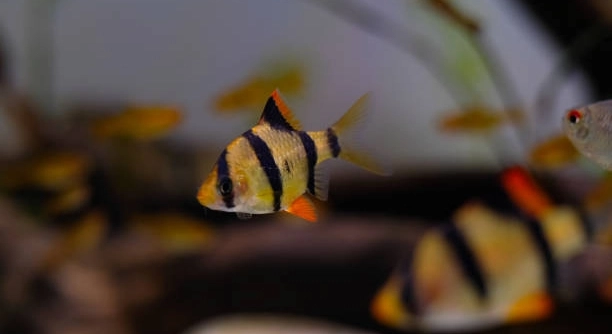
Many aquarium hobbyists enjoy keeping tiger barbs because of their lively behavior and striking colors. These fish are often kept in community tanks with various setups. One popular choice is a bare bottom tank, which means no substrate is used on the tank floor.
Tiger barbs can thrive in a bare bottom tank if their environment is carefully maintained. Proper water quality, adequate hiding places, and regular cleaning are essential for their health and well-being in such a setup. This type of tank can also make it easier to monitor fish health and remove waste efficiently.
Choosing a bare bottom tank offers benefits but also requires attention to the fish’s needs. This article will help you understand how to create a suitable habitat for your tiger barbs without substrate.
Benefits of a Bare Bottom Tank for Tiger Barbs
A bare bottom tank is easier to clean compared to tanks with substrate. Waste and uneaten food don’t get trapped in gravel or sand, which helps keep the water cleaner for longer. This can reduce the risk of harmful bacteria or toxins building up in the tank. Tiger barbs are active swimmers, and a bare bottom provides more open space for them to move freely. Without substrate, it’s also simpler to spot any signs of illness or injury on the fish. However, it’s important to add plants, decorations, or hiding spots to help reduce stress and offer shelter, as bare tanks can feel exposed. This setup suits those who prefer low-maintenance tanks but are willing to provide good care through regular cleaning and proper tank decoration.
Cleaning a bare bottom tank is straightforward and efficient. It saves time and effort, which many keepers appreciate.
Despite its simplicity, a bare bottom tank needs thoughtful decoration. Plants and hiding places create a comfortable space, making tiger barbs feel safe and less stressed. Providing these elements encourages natural behavior and helps keep the fish healthy and active.
Considerations for Water Quality and Maintenance
Maintaining good water quality is essential in a bare bottom tank. Without substrate to host beneficial bacteria, filtration becomes more important to keep ammonia and nitrite levels low. Frequent water changes and monitoring are necessary to maintain a healthy environment. Using a high-quality filter that supports biological filtration is recommended. Also, water parameters like temperature and pH should be kept stable, as tiger barbs are sensitive to sudden changes. Regular testing helps catch any problems early before they affect the fish.
It’s easy to overlook water quality when the tank looks clean, but consistent care is key to tiger barbs’ long-term health.
Because bare bottom tanks don’t have substrate to buffer changes, water chemistry can shift quickly. This means it’s vital to stay on top of water testing and cleaning routines. While bare bottom setups reduce debris buildup, waste still produces harmful substances. Frequent partial water changes—about 20-30% weekly—help keep the tank safe. Installing a reliable filter supports the biological cycle needed for breaking down fish waste. Adding decorations like plants and hiding spots also helps reduce stress, which benefits the immune system. Overall, proper maintenance and monitoring make bare bottom tanks a practical choice for tiger barbs when done carefully.
Tank Setup Tips for Bare Bottom Tanks
Choosing the right size tank is crucial for tiger barbs. A minimum of 20 gallons is recommended to provide enough swimming space. Proper filtration and aeration are also important to keep the water clean and oxygenated.
Adding plants and decorations offers hiding spots, reducing stress and aggression. Driftwood, rocks, or plastic plants work well without a substrate. Make sure decorations are stable and safe to avoid injuries.
Lighting should mimic natural conditions, with around 8 to 10 hours of light daily. Too much light can cause algae growth, while too little can stress the fish. A timer helps maintain a consistent schedule, supporting their natural rhythms and overall health.
Feeding and Behavior in Bare Bottom Tanks
Tiger barbs are active and social fish that prefer to be in groups of six or more. They can be aggressive but usually maintain a balance in well-stocked tanks. Monitoring behavior helps prevent bullying.
Feeding should include a varied diet of flakes, pellets, and occasional live or frozen foods. Feeding small amounts 2-3 times daily prevents overfeeding and maintains water quality. Uneaten food should be removed quickly to avoid pollution.
Observing your fish during feeding time also gives clues about their health. Healthy tiger barbs will eagerly eat and display normal activity levels, while changes may indicate stress or illness that needs attention.
Common Challenges in Bare Bottom Tanks
Without substrate, fish may feel exposed and stressed. Providing plenty of hiding spots helps reduce this issue. Stress can affect their health and behavior if not managed properly.
Algae growth on the bare bottom can be more visible and harder to manage. Regular cleaning and light control help keep algae under control.
Suitable Tank Mates for Tiger Barbs
Tiger barbs do well with other active, similarly sized fish that can handle their playful aggression. Avoid slow-moving or long-finned species that may become targets. Good companions include danios, barbs, and some types of tetras. Careful selection promotes a peaceful community tank.
Signs Your Tiger Barbs Are Thriving
Bright colors, active swimming, and regular eating are positive signs. Healthy tiger barbs show curiosity and interact well with tank mates. Dull colors or hiding often may mean stress or illness, which needs addressing quickly.
Adjusting to a Bare Bottom Environment
Tiger barbs usually adapt well if their needs are met. Changes in behavior or health should be monitored closely after switching to this setup to ensure they adjust comfortably.
FAQ
Can tiger barbs live happily without substrate?
Yes, tiger barbs can live happily in a bare bottom tank if their environment is well maintained. The lack of substrate means less debris buildup, but it also requires regular cleaning and good filtration. Providing hiding places and plants helps reduce stress and mimics their natural habitat, making them feel more secure.
Is a bare bottom tank easier to clean for tiger barbs?
A bare bottom tank is easier to clean because there is no substrate to trap waste and uneaten food. This allows for quicker removal of debris during water changes and reduces the chance of harmful bacteria buildup. It also makes monitoring the health of the fish easier, as you can see any changes or problems clearly on the tank floor.
Will tiger barbs behave differently in a bare bottom tank?
Tiger barbs may initially seem more cautious in a bare bottom tank because they have fewer places to hide. However, once hiding spots and decorations are added, they usually adapt well. Their natural active and social behavior remains the same. Regular observation helps ensure that aggression is kept in check and stress is minimized.
How often should water be changed in a bare bottom tank?
Water should be changed about 20-30% weekly in a bare bottom tank. Because there is no substrate to help process waste, frequent water changes are important to keep ammonia and nitrite levels low. Consistent water quality maintenance is crucial for tiger barbs’ health in this environment.
What decorations work best in a bare bottom tank?
Decorations that provide hiding spots without relying on substrate are best. Driftwood, rocks, and artificial or live plants can be arranged securely. These elements help tiger barbs feel safe and reduce stress. Avoid sharp or unstable decorations that might injure the fish.
Can algae become a problem in bare bottom tanks?
Algae can grow on the bare bottom surface, and it can be more visible without substrate to hide it. Controlling light exposure and maintaining a regular cleaning schedule helps keep algae under control. Algae eaters or snails may also help, but compatibility with tiger barbs should be considered.
Are there any special filtration needs for bare bottom tanks?
Yes, bare bottom tanks need efficient filtration since there is no substrate to host beneficial bacteria. Filters with strong biological filtration capacity are recommended to maintain stable water chemistry. Good circulation and oxygenation are also important for keeping tiger barbs healthy.
Do tiger barbs need more space in a bare bottom tank?
Tiger barbs need enough space regardless of substrate. A minimum of 20 gallons is recommended, but more space is better for their active nature. A bare bottom tank offers more open swimming room, which can benefit their activity level, provided there are enough hiding places to reduce stress.
Will bare bottom tanks affect breeding behavior?
Breeding tiger barbs in a bare bottom tank can be challenging since they often lay eggs in plants or substrate. Without substrate, it’s important to provide spawning mops or dense plants where eggs can attach safely. Monitoring and creating suitable breeding conditions are necessary if breeding is a goal.
How can I tell if my tiger barbs are stressed in a bare bottom tank?
Signs of stress include hiding constantly, loss of color, erratic swimming, or aggression. In a bare bottom tank, lack of hiding spots can increase stress. Adding decorations and keeping water quality high helps prevent stress. Watching their behavior regularly allows for early intervention if problems arise.
Tiger barbs can do well in a bare bottom tank if their basic needs are met. This setup requires careful attention to water quality, tank decoration, and regular cleaning. Without substrate, it is easier to keep the tank clean and spot any health issues early. However, the lack of a natural floor means hiding places must be added to make the fish feel safe. Decorations like plants, rocks, or driftwood help reduce stress and provide shelter. When these factors are in place, tiger barbs can live happily and actively in a bare bottom tank.
Maintaining good water quality is key in a bare bottom setup. Since there is no substrate to hold beneficial bacteria, filtration and water changes become very important. Regularly testing water parameters and performing partial water changes help keep ammonia and nitrite levels low, which supports the health of the fish. Feeding should be done carefully to avoid leftover food that can pollute the water. With consistent care, the bare bottom tank can be a practical and low-maintenance option that suits the active nature of tiger barbs.
It is important to remember that every fish and tank setup is different. Some tiger barbs may take longer to adjust to a bare bottom environment, while others may thrive quickly. Watching their behavior and health closely helps catch any problems early. If the fish seem stressed or aggressive, adding more hiding spots or adjusting the tank conditions can help. Overall, bare bottom tanks can be a good choice for tiger barbs when done thoughtfully, combining cleanliness with comfort to promote their well-being.

Hello,
If you enjoy the content that we create, please consider saying a "Thank You!" by leaving a tip.
Every little bit helps us continue crafting quality advice that supports the health, happiness, and well-being of pets around the world, for pets of all shapes, sizes, and species.
We really appreciate the kindness and support that you show us!