
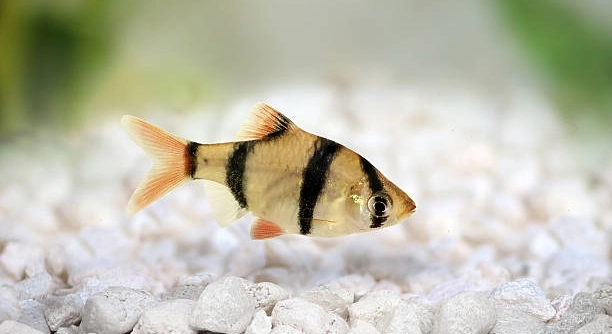
Have you ever thought about how fish recognize each other in a tank full of similar-looking companions?
Tiger barbs can indeed tell other fish apart by smell. Research has shown that they use chemical cues in the water to distinguish between individuals, allowing them to recognize familiar fish and react differently to strangers.
These findings help us understand how fish interact in social groups and why some seem to get along better than others in home aquariums.
How Tiger Barbs Use Smell to Recognize Other Fish
Tiger barbs live in social groups, and being able to tell each other apart plays an important role in how they behave. They rely on chemical signals in the water, which are often released through skin or waste. These signals help them recognize familiar individuals, detect new fish, and even respond to stress or illness. This ability supports group coordination and reduces aggression within stable shoals. Researchers have found that when tiger barbs are placed with unfamiliar fish, their behavior changes—they become more alert or aggressive. But when they’re with familiar fish, they’re more relaxed and cooperative. This recognition isn’t based on sight alone. Smell offers a more reliable way to identify others, especially in murky water or crowded tanks. Chemical cues also help them choose mates and avoid inbreeding. Their sense of smell is not just strong—it’s essential for everyday interaction and survival.
Fish don’t just swim randomly; their actions are shaped by who they’re swimming with.
Understanding these chemical interactions can help fishkeepers manage tank behavior. If a tank feels tense or aggressive, it might be due to unfamiliar scents. Keeping stable groups together and avoiding frequent changes can help reduce stress and encourage better social behavior among tiger barbs.
Why This Matters in Home Aquariums
New fish can disrupt the balance in your tank by introducing unfamiliar smells.
When you add a new tiger barb to your tank, existing fish often notice right away. They may chase, nip, or act differently because of the unfamiliar chemical signals. This reaction usually fades as they adjust to the new scent, but it takes time. For smoother transitions, rearranging decorations can help distract them and reset territory patterns. Quarantining new fish not only protects against illness—it also gives them time to adjust to the smells of the tank water. Slowly introducing shared water during this period can make the eventual meeting less stressful. Consistency is key for tiger barbs. They thrive in familiar social groups and benefit from stable environments. If aggression becomes a regular problem, it’s worth reviewing how often new fish are added and whether current group sizes support natural schooling behavior. Keeping chemical stability in mind leads to healthier and more peaceful interactions among your fish.
Chemical Cues and Social Behavior
Tiger barbs respond to chemical cues when deciding how to act around others. These cues affect their behavior, like forming groups, showing dominance, or avoiding conflict with familiar tankmates.
When a tiger barb smells another fish it knows, it often stays calm and social. This helps the group stay stable and reduces chasing or fin-nipping. If the scent is unfamiliar, it may act aggressively or try to establish control. Chemical cues also help tiger barbs remember who they’ve fought or bonded with. That’s why they may avoid or approach certain fish differently over time. This recognition supports a social structure and helps the group work better together. It also means fishkeepers should be mindful when changing group dynamics, as scent-based memory can influence how fish react even after a long separation. These behaviors often go unnoticed but play a big part in daily tank life.
Overcrowding or frequent rearranging of tank mates can confuse scent patterns. Without clear chemical signals, tiger barbs might become anxious or more aggressive. When too many new scents mix, fish struggle to know who’s familiar and who isn’t. That’s why sudden changes often lead to tension. A tank that smells familiar helps maintain peace. Fish feel more secure when they can tell who’s around them. If chemical cues get lost due to strong filters or poor water conditions, their social stability can fall apart. Regular water changes are helpful, but they shouldn’t be too extreme or frequent. It’s all about keeping a clean, balanced tank without removing the social “scent map” tiger barbs depend on. Watching how your fish interact after a change can help you adjust things if needed.
Recognizing Stress Through Smell
Tiger barbs can smell when other fish are stressed or unwell. These stress scents influence group behavior, making the whole tank feel uneasy. Even healthy fish may act differently if they sense distress in others.
When one tiger barb is sick or scared, it may release chemical signals into the water. These signals alert the rest of the group, sometimes causing panic or changes in swimming patterns. This is one way tiger barbs stay safe in the wild—by sensing trouble through smell before it becomes visible. In a tank, however, this sensitivity can lead to problems if stress becomes common. Poor water quality, overcrowding, or sudden changes all trigger stress smells. The result is often group-wide tension or even fights. Recognizing this pattern helps fishkeepers take early action. Removing the stressed fish temporarily or improving tank conditions can prevent a larger reaction. Keeping stress levels low helps the group stay calm and social.
How Scent Affects Feeding Behavior
Tiger barbs can smell food in the water before they see it. They often respond quickly when they detect familiar feeding scents, swimming to the source with excitement.
When food is added, their reaction can depend on whether the scent matches something they already know. New foods may be ignored at first.
Importance of Scent in Group Dynamics
Scent helps tiger barbs keep track of who belongs in their group. They often swim closer to fish with familiar smells and avoid those that seem new or different. This can reduce conflict and support smoother group interactions. If a fish loses its scent—due to illness or tank changes—it may be treated differently. This shift can lead to chasing or isolation. Scent-based recognition is part of how they form bonds and organize their group. Removing a fish and reintroducing it too quickly might confuse the others. Giving fish time to reestablish scent signals can help restore balance.
Water Quality and Smell Detection
Strong chemical filters or high ammonia levels can block scent signals. When this happens, tiger barbs may struggle to identify other fish, leading to confusion or stress.
FAQ
Can tiger barbs really tell the difference between fish just by smell?
Yes, tiger barbs can tell other fish apart using smell. They release and detect chemical cues in the water that help them identify who is familiar and who is not. These scents can come from skin, waste, or stress signals. Tiger barbs use this ability to form social bonds, recognize tankmates, and react to new fish. In stable groups, familiar smells help reduce stress and aggression. This scent-based recognition is especially useful in tanks where visual identification isn’t always reliable, such as in low light or crowded spaces.
Do tiger barbs behave differently around fish with unfamiliar smells?
Yes, unfamiliar smells can make tiger barbs act more aggressive or alert. When a new fish is added, existing tiger barbs may chase or nip at it because the scent is not yet recognized. Over time, as the scent becomes familiar, their behavior usually calms down. However, if the scent stays unknown—due to sickness, poor water conditions, or constant tank changes—the aggressive behavior may continue. Rearranging tank décor and giving fish time to adjust can help with scent recognition and reduce stress-related behaviors.
Can tiger barbs smell when another fish is sick or stressed?
Tiger barbs can detect stress or illness in other fish through chemical cues. These stress scents are released when a fish feels threatened, uncomfortable, or unwell. When healthy tiger barbs pick up on these scents, they often act more cautious or avoid the stressed fish. In some cases, the scent can cause group-wide tension, even if only one fish is affected. Keeping your tank clean, avoiding overcrowding, and responding quickly to illness can help prevent this reaction from spreading.
Why does water quality affect their ability to smell?
Poor water quality can block or distort the chemical cues tiger barbs rely on. High levels of ammonia or nitrites, for example, interfere with their sense of smell. Strong chemical filtration, like activated carbon or certain additives, can also reduce the scent signals in the water. When tiger barbs can’t smell clearly, they may struggle to recognize each other, become confused, or act more aggressively. Keeping the water clean but balanced—without overusing chemicals—helps them communicate more effectively and keeps the tank more peaceful.
What happens if you remove and reintroduce a tiger barb?
If you remove a tiger barb from the tank and reintroduce it after some time, it may be treated like a stranger. The fish may lose its familiar scent while it’s away, especially if it’s kept in a different environment or treated with medications. When reintroduced, the others may not recognize it and could show aggression. To make the transition smoother, you can reintroduce the fish slowly, maybe even with some water from the main tank to help it pick up familiar scents again.
How do tiger barbs use smell during feeding?
Tiger barbs use smell to detect food in the water before they see it. They respond quickly to familiar feeding scents, especially when food is added at the same time or place each day. If you change their food, they may take a little while to respond to the new smell. Over time, they learn to recognize the new scent and react more eagerly. Smell helps them find food faster, especially in crowded tanks or when the water is a little cloudy.
Can too many fish in one tank confuse scent signals?
Yes, overcrowding can overwhelm the chemical signals tiger barbs depend on. When too many fish are releasing different scents at once, it becomes harder for individual fish to pick up on who is familiar. This can lead to more fighting, chasing, or general stress in the tank. Maintaining a healthy group size and avoiding frequent changes in population helps keep the scent signals clear. A well-balanced tank is easier for tiger barbs to navigate socially, leading to calmer behavior overall.
Does scent play a role in how tiger barbs choose mates?
Yes, smell helps tiger barbs find suitable mates. They use chemical cues to identify the sex of other fish and check for health or readiness to spawn. A healthy fish gives off stronger, more attractive scents, while a stressed or sick fish may not be chosen. This helps tiger barbs avoid inbreeding or choosing poor mates. These behaviors often happen quietly, without obvious signs to human observers, but they play a key role in how tiger barbs pair up and reproduce.
Is there a way to help tiger barbs adjust to new fish more easily?
Yes, you can help by slowly introducing new fish and scents. One way is to place the new fish in a quarantine tank nearby and slowly add small amounts of water from the main tank. This lets them adjust to the scent before meeting face-to-face. When it’s time to introduce the new fish, rearranging plants or decorations in the main tank can break up territories and reduce aggressive behavior. This helps tiger barbs reset their scent-based map and accept the new addition more smoothly.
Final Thoughts
Tiger barbs are more than just colorful fish. Their ability to recognize each other by smell helps them live peacefully in groups. In the wild and in tanks, this sense of smell plays a big role in how they behave, choose mates, avoid fights, and stay safe. Many fishkeepers notice small changes in behavior, but they may not realize that scent is often the reason. Knowing this makes it easier to understand why a group of tiger barbs might suddenly become aggressive or calm. These fish don’t just act based on sight—they rely heavily on what they smell in the water around them.
Keeping a peaceful tank with tiger barbs means paying attention to how scent is affected. Water quality, overcrowding, and frequent tank changes can all disturb the chemical signals they use. If too many new smells are introduced at once, it can cause stress and confusion. This may lead to chasing or biting, especially if fish can’t recognize each other. Simple steps like adding new fish slowly, avoiding big tank changes, and not over-cleaning can help maintain the scent balance. Even something like changing food or filters can affect how tiger barbs behave if it changes the way the tank smells.
Understanding how tiger barbs use smell can make it easier to care for them. When their sense of smell is respected, these fish are more likely to form strong social groups and behave calmly. It’s not just about what they see or where they swim—it’s also about what they sense in the water. Watching how they interact and adjusting care based on their behavior can make a big difference. Fishkeeping isn’t only about water tests and feeding schedules. It’s also about noticing the small things, like how a group moves or reacts when something changes. With the right care, tiger barbs can thrive, and their natural behaviors—like using smell to recognize each other—can continue to play out in healthy, balanced ways.

Hello,
If you enjoy the content that we create, please consider saying a "Thank You!" by leaving a tip.
Every little bit helps us continue crafting quality advice that supports the health, happiness, and well-being of pets around the world, for pets of all shapes, sizes, and species.
We really appreciate the kindness and support that you show us!