
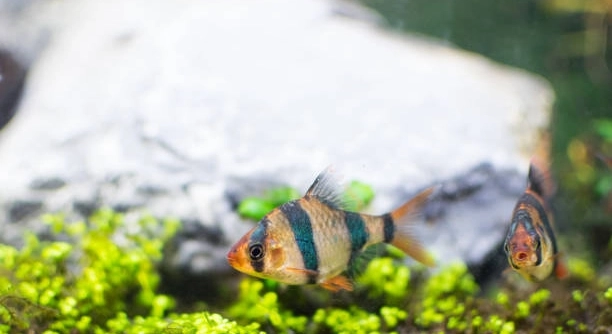
Are your tiger barbs swimming in a tank without a filter, leaving you unsure if they’re getting the care they need?
Tiger barbs can survive without a filter for a short time, but it is not ideal for their long-term health. Filters help maintain water quality by removing waste and toxins, making the environment more stable and livable for the fish.
There’s more to understand about how water conditions, tank size, and maintenance routines affect tiger barbs in an unfiltered setup.
Why a Filter Matters for Tiger Barbs
Tiger barbs are active fish that produce a fair amount of waste, so a filter is essential for keeping their water clean. Without one, ammonia and nitrite levels can rise quickly, leading to stress, illness, or even death. Filters help remove these harmful substances and keep the tank oxygenated. In an unfiltered tank, you would need to perform water changes much more often to keep conditions stable. This can be difficult to manage long term and may still not provide the same level of water quality a filter offers. Filters also help distribute heat evenly and maintain water flow, which tiger barbs enjoy. They are schooling fish, so poor water quality affects the group as a whole. A clean, well-maintained environment supports their active nature and bright coloration. For anyone keeping tiger barbs, having a filter isn’t just a nice addition—it’s a key part of responsible fish care.
A small sponge filter or internal filter is often enough for smaller tanks and works well in quieter setups.
If you decide to go without a filter, be ready for extra work. You’ll need to test the water often, change it regularly, and monitor your fish closely. This can be stressful and may still not be enough to keep them healthy.
What Happens Without a Filter
In a tank without a filter, water quality can change quickly, even in a single day.
Tiger barbs are sensitive to poor water conditions. Without a filter, waste from uneaten food and fish waste builds up fast. This leads to high levels of ammonia, which damages their gills and affects how they breathe. Even with frequent water changes, you may struggle to keep these levels safe. Oxygen levels also drop more quickly without water movement. This can cause your fish to become sluggish or gasp at the surface. Over time, their immune system weakens, making them more likely to get sick. Poor water quality also dulls their color and makes them less active. If the tank is small or overcrowded, the effects are even worse. While it’s possible to manage a filterless setup with extreme care and a light fish load, it’s not recommended for beginners or anyone looking for a low-maintenance tank. Filters make fishkeeping easier, safer, and more stable.
How to Keep Water Clean Without a Filter
Keeping tiger barbs without a filter means more frequent water changes. You’ll need to remove waste and uneaten food quickly, or the water can become harmful fast. Use a gravel vacuum during changes to clean the substrate and help keep ammonia levels under control.
Test your water often using an aquarium test kit. You’ll want to monitor ammonia, nitrites, nitrates, and pH. Try to change about 25–30% of the water every other day, or daily if needed. Avoid overfeeding, as extra food will break down and pollute the tank. Adding live plants can also help absorb waste and provide oxygen. Make sure your tank isn’t overcrowded—too many fish will quickly overload the system. A turkey baster or small siphon can help spot-clean between changes. Be consistent and watch for signs of stress, like clamped fins, loss of color, or heavy breathing at the surface.
Use water conditioners during each change to remove chlorine and chloramines. Keep the tank in a stable location away from direct sunlight to help control algae growth. Don’t skip cleanings—even one missed day can lead to issues. Consider adding an air stone to improve oxygen levels, especially if your tank is warm or heavily stocked. Stability matters more when you don’t have a filter.
Choosing the Right Tank Setup
Go with a longer, shallow tank if possible. It helps keep oxygen levels higher and gives tiger barbs more room to swim. Avoid tall tanks, as they’re harder to keep oxygenated without a filter or strong water movement.
Keep decorations simple so you can easily clean around them. Avoid sharp edges—tiger barbs are active swimmers and can hurt themselves. Use smooth rocks, hardy plants, or soft artificial plants that don’t trap debris. Keep the substrate thin to make vacuuming easier and reduce waste buildup. Limit tank mates to reduce the bioload and avoid species that need strong filtration or are sensitive to unstable conditions. Choose a reliable heater and thermometer—temperature swings can stress fish just as much as dirty water. Natural lighting or low-wattage LEDs are best to avoid overheating. If you’re using a lid, make sure there’s good airflow. Every detail matters more when you’re running a tank without a filter.
Signs Your Tiger Barbs Are Struggling
Watch for faded colors, torn fins, or fish that are hiding more than usual. These are early signs that your tiger barbs may be stressed from poor water quality or low oxygen levels.
If you see your fish gasping near the surface or moving less, it could mean the water has become toxic or lacks oxygen. Test the water right away.
Temporary Filter-Free Setups
You can keep tiger barbs without a filter for short periods, like during tank cleanings, power outages, or short-term quarantine. In these cases, keep the tank lightly stocked, do partial water changes daily, and use an air stone to help with oxygen. Feed less than usual to reduce waste. Watch the fish closely during this time and return them to a filtered setup as soon as possible. Long-term care without a filter is much harder and not ideal for most people. Even basic sponge filters can make a big difference in keeping your fish healthy and your maintenance routine manageable.
When to Add a Filter
If you’re struggling to keep the water clean or your fish are showing signs of stress, it’s time to add a filter.
FAQ
Can tiger barbs survive without a filter long term?
Tiger barbs can survive short term without a filter, but keeping them healthy long term is difficult. Without filtration, toxins like ammonia and nitrites build up quickly. These chemicals damage gills and organs, making the fish sick or stressed. Over time, even small imbalances in the water can weaken their immune system. A filter helps keep the water balanced and clean, which supports their overall health. While it’s possible to care for them without one, it requires a lot of time, effort, and experience. Most fishkeepers will see better results with even a simple sponge filter.
How often should I change the water in an unfiltered tank?
In an unfiltered tank, water changes should be done more often. Daily 25–30% water changes are often needed, especially if the tank is small or heavily stocked. Frequent changes help reduce the buildup of harmful waste and keep ammonia levels under control. Use a gravel vacuum to remove debris from the substrate during each change. Test your water regularly to catch issues early. Skipping water changes even for a day can cause problems, especially in warmer tanks where bacteria grow faster. Consistency is key to keeping your tiger barbs healthy in a filterless setup.
Can live plants help in an unfiltered tank?
Yes, live plants can be helpful. They absorb some of the waste products like ammonia and nitrates, and they also release oxygen into the water. Fast-growing plants like hornwort, water sprite, or duckweed are good options. They work best when paired with regular water changes and low feeding levels. Plants won’t replace a filter entirely, but they can support better water quality. Just make sure they’re healthy and not decaying, as dead plant matter will add more waste to the tank. A planted tank still requires maintenance, especially in a setup without a filter.
How many tiger barbs can I keep in a tank without a filter?
It’s best to keep fewer tiger barbs if you’re not using a filter. A group of 5–6 is the minimum for their social needs, but this only works in a larger tank with strict care. A 20-gallon tank is the bare minimum, and even then, daily maintenance is required. The more fish you have, the faster waste builds up, and the harder it is to keep the water safe. It’s better to understock than to push limits in a filterless setup. Stick to a small group and avoid adding any other fish or invertebrates.
Is a sponge filter enough for tiger barbs?
Yes, a sponge filter is a good option. It’s gentle, affordable, and provides both mechanical and biological filtration. It also creates surface movement, which helps with oxygen exchange. While not as powerful as larger filters, it’s often enough for tanks under 30 gallons with moderate stocking. Tiger barbs enjoy movement in the water, so a sponge filter with a steady air pump works well. Make sure to clean it regularly by rinsing it in tank water during water changes. Even a simple setup like this can make your tank much easier to manage.
What are signs of poor water quality?
Common signs include cloudy water, foul smells, or visible waste on the bottom of the tank. You might also see algae grow quickly or notice your fish acting differently—like staying near the surface, breathing heavily, losing color, or swimming less. Fin clamping, red gills, and flashing against objects are other signs something is off. Test the water using test strips or a liquid test kit if you see any of these changes. Poor water quality can harm your fish fast, especially in an unfiltered tank. Don’t wait—change the water right away if you notice issues.
Can I use an air stone instead of a filter?
An air stone helps with oxygen but doesn’t filter the water. It improves gas exchange by moving the water’s surface, which helps your fish breathe easier. However, it doesn’t remove waste or harmful chemicals. If you’re going without a filter, pairing an air stone with frequent water changes and a light fish load is necessary. Some air stones can be connected to sponge filters, which is an easy way to add filtration. While an air stone alone improves oxygen levels, it’s not enough to keep the water clean on its own.
Do tiger barbs need a strong current?
Tiger barbs enjoy some water movement, but they don’t need a strong current. In the wild, they live in slow to moderate-flow rivers. A gentle current from a sponge filter or low-flow internal filter is enough. Too much flow can stress them out and push them around the tank. If your fish are struggling to swim or are constantly hiding, the flow may be too strong. On the other hand, no movement at all can lead to low oxygen levels and poor water circulation. A balanced flow supports their activity without overwhelming them.
Final Thoughts
Tiger barbs are lively, social fish that do best in clean, stable water. While it is possible to keep them without a filter, it requires a lot of extra work and attention. Water can become harmful very quickly in an unfiltered tank, especially if you have more than a few fish. You’ll need to test the water often, change it regularly, and remove waste before it builds up. For beginners or anyone with a busy schedule, this can be hard to manage. Even with your best efforts, the fish may still suffer from stress, illness, or poor water quality over time.
Adding a filter makes care much easier. It helps keep the water safe by removing harmful waste and supporting good bacteria. Filters also improve oxygen levels and water movement, which tiger barbs enjoy. Even a basic sponge filter can make a big difference. It doesn’t need to be expensive or complicated—what matters most is consistency and good maintenance. If you’re set on a filter-free setup, it’s important to understand the risks and prepare for more frequent upkeep. Keeping the tank understocked, feeding lightly, and adding live plants can help, but they won’t fully replace the role of a filter.
In the end, a filter supports the long-term health and well-being of your tiger barbs. It helps create a more stable environment where your fish can thrive, not just survive. If you notice signs of stress, cloudy water, or struggling fish, it may be time to add one. There’s nothing wrong with starting small and upgrading as you learn. Filters are a simple tool that take some pressure off your routine and give your fish a better chance to stay healthy. Whether you’re new to fishkeeping or have some experience, choosing a setup that balances your time, budget, and your fish’s needs is always the best approach.

Hello,
If you enjoy the content that we create, please consider saying a "Thank You!" by leaving a tip.
Every little bit helps us continue crafting quality advice that supports the health, happiness, and well-being of pets around the world, for pets of all shapes, sizes, and species.
We really appreciate the kindness and support that you show us!