
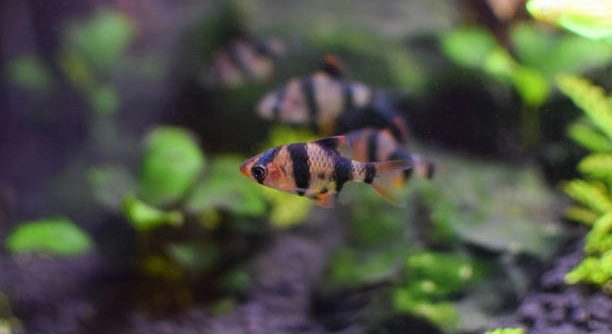
Tiger Barbs are popular freshwater fish known for their bright colors and lively behavior. Many fishkeepers wonder how well these tropical fish handle changes in temperature. Understanding their tolerance to cold is important for their care and well-being.
Tiger Barbs cannot survive cold temperatures for extended periods. They thrive best in water temperatures between 74°F and 79°F. Exposure to colder water can lead to stress, illness, and potentially fatal conditions, making temperature control essential in their environment.
Knowing the limits of Tiger Barbs’ temperature tolerance helps maintain a healthy tank. This article will explain how cold affects them and what to do to keep them safe.
Why Cold Temperatures Affect Tiger Barbs
Tiger Barbs are tropical fish that come from warm waters in Southeast Asia. Their bodies are adapted to stable, warm environments, so sudden temperature drops can shock them. When water gets too cold, their metabolism slows down, making it hard for them to stay active or digest food properly. This weakened state leaves them vulnerable to diseases and infections. Even a short exposure to temperatures below 70°F can cause health problems. If the water temperature remains low for days, the risk of fatal consequences increases significantly. Fishkeepers sometimes notice that cold-stressed Tiger Barbs become lethargic, lose their vibrant color, and hide more often. To keep them healthy, it’s crucial to maintain consistent water temperature and avoid placing tanks near drafts or cold windows. Using a reliable aquarium heater with a thermostat helps ensure the temperature stays within their comfort zone. This attention can prevent stress-related illnesses and improve their lifespan.
Maintaining stable warm temperatures supports the fish’s overall health. Sudden or prolonged cold exposure is dangerous.
Cold water slows the fish’s metabolism and weakens their immune system. This can lead to infections and reduced activity. Proper temperature control is key to keeping Tiger Barbs vibrant and active in an aquarium.
How to Protect Tiger Barbs from Cold
Avoid placing tanks in rooms that are not temperature controlled, especially during colder months. Keep the aquarium away from windows, doors, or vents where cold air can enter. Using an aquarium heater designed for tropical fish will help maintain a steady temperature. It is best to check the water temperature daily to ensure it stays within the ideal range of 74°F to 79°F. If power outages or heater failures occur, having a backup heater or heating pad is recommended. Gradual changes in temperature are less stressful than sudden shifts, so avoid drastic adjustments. Regular monitoring and preparation are essential to prevent cold-related stress. A stable, warm environment will keep Tiger Barbs healthy and lively.
Providing steady warmth prevents temperature shocks. Regular checks and proper placement reduce cold exposure risks.
To protect Tiger Barbs during colder weather, ensure the aquarium is well-insulated and use equipment that can maintain warmth. Avoid sudden temperature changes by adjusting heaters slowly if needed. During power outages, insulated covers or temporary heat sources can help. Consistent water quality alongside temperature stability supports the fish’s health. Regularly observe your fish for any signs of cold stress, such as sluggishness or faded colors. Early detection allows for quick intervention. Creating a warm, stable habitat reduces illness risk and encourages natural behavior. Being attentive to these conditions will help your Tiger Barbs thrive despite external temperature challenges.
Signs of Cold Stress in Tiger Barbs
Cold stress in Tiger Barbs often shows through changes in behavior and appearance. Fish may become less active and hide more. Their colors can fade, and they may lose appetite. These signs indicate their environment is too cold and needs adjustment.
When Tiger Barbs are exposed to cold temperatures, they become sluggish and swim less. Their immune systems weaken, making them more vulnerable to infections. Color fading happens because their metabolism slows down, reducing pigment production. Loss of appetite can lead to weight loss and further health problems. Observing these symptoms early is crucial for timely action. If ignored, cold stress can result in long-term damage or death. Ensuring the tank stays within the ideal temperature range can prevent these issues and keep the fish vibrant and active.
Cold stress also affects their social behavior. Tiger Barbs may become less interactive or aggressive toward tank mates. Reduced movement and hiding disrupt their natural schooling habits. Maintaining proper warmth helps them stay energetic and engaged, which supports their well-being and longevity.
Adjusting Your Tank for Temperature Control
Proper tank placement is key to temperature stability. Avoid locations near drafty windows or air conditioners that cause sudden drops. Use an aquarium heater with a thermostat to keep water consistently warm. Insulating the tank with foam or covers can also reduce heat loss.
Maintaining temperature consistency prevents stress. Monitoring water temperature daily helps catch changes early. Gradual adjustments to the heater prevent shocks to the fish. During cold weather, adding a lid or aquarium hood reduces heat escape. Positioning the tank away from external temperature fluctuations creates a more stable environment. Using reliable equipment minimizes the risk of temperature-related problems. Backup heating options offer extra security during power outages or heater failures. Taking these steps ensures the Tiger Barbs’ habitat stays comfortable and safe.
Using a quality heater with a thermostat is the best way to avoid temperature swings. Insulation and thoughtful tank placement complement this by reducing cold exposure and keeping the environment stable for your fish.
Best Temperature Range for Tiger Barbs
The ideal temperature range for Tiger Barbs is between 74°F and 79°F. Keeping water within this range supports their health and activity. Temperatures below 70°F should be avoided to prevent stress and illness.
Consistent temperature helps maintain the fish’s vibrant colors and energy. Staying within the recommended range ensures a longer, healthier life for your Tiger Barbs.
Effects of Sudden Temperature Changes
Sudden drops or spikes in temperature can shock Tiger Barbs. These rapid changes weaken their immune system and increase susceptibility to diseases. Fish may become lethargic or show signs of distress.
Avoiding quick temperature shifts is important. Slowly adjusting water temperature prevents stress and supports overall well-being.
Preparing Your Tank for Seasonal Changes
Seasonal temperature fluctuations can impact your aquarium. Regular monitoring and adjusting heater settings ahead of time help prevent problems. Proper insulation also reduces temperature swings during colder months.
Planning ahead ensures your Tiger Barbs stay in a stable environment all year round.
FAQ
Can Tiger Barbs survive in temperatures below 70°F?
Tiger Barbs are tropical fish and do not do well in temperatures below 70°F. Prolonged exposure to cold water slows their metabolism, weakens their immune system, and can lead to illness or death. It is important to keep the tank water within their preferred range to avoid health problems.
How quickly should I adjust the temperature if it gets too cold?
Temperature changes should be made gradually to avoid shocking your Tiger Barbs. Adjust the heater by no more than 1–2 degrees Fahrenheit every few hours. Sudden shifts can stress the fish, causing lethargy or disease. Patience is key when correcting temperature.
What are the best tools to keep the aquarium temperature stable?
Using a reliable aquarium heater with an accurate thermostat is essential. A thermometer inside the tank helps you monitor the water temperature daily. Insulating the tank with foam or covers reduces heat loss. Backup heaters or heating pads can offer additional protection during power outages.
What are the signs that Tiger Barbs are stressed due to cold?
Cold stress can show as faded colors, sluggish swimming, loss of appetite, and increased hiding. These signs indicate their environment is too cold or unstable. Early detection allows for prompt action, improving the chances your fish will recover quickly.
Can Tiger Barbs adapt to colder temperatures over time?
Tiger Barbs are not cold-water fish and have limited ability to adapt to low temperatures. They require a consistently warm environment to thrive. Trying to keep them in cold water risks their health and lifespan.
Is it safe to turn off the heater at night to save electricity?
Turning off the heater at night is not recommended, especially in cooler rooms. Temperature drops can stress your fish. Instead, use an energy-efficient heater and ensure the room temperature is stable to maintain safe water conditions.
How does cold water affect Tiger Barbs’ behavior?
Cold water slows down their metabolism, causing lethargy and less interaction with other fish. They may hide more and eat less. These behavior changes show the fish are uncomfortable and stressed by low temperatures.
What should I do if my Tiger Barbs show signs of cold stress?
Increase the water temperature gradually using a heater. Check for any drafts or cold spots near the tank and remove them if possible. Monitor water quality closely, as stressed fish are more prone to illness. Consider isolating any sick fish to prevent disease spread.
Are there other fish that tolerate colder temperatures better than Tiger Barbs?
Yes, some fish species such as goldfish or white cloud mountain minnows tolerate cooler water better. Tiger Barbs require warmer conditions, so choosing tank mates with similar temperature needs is important for a healthy aquarium.
Can sudden cold weather affect indoor aquariums?
Sudden cold weather can impact indoor tanks if heaters or insulation are inadequate. Cold drafts and lower room temperatures may cause water temperature to drop. Monitoring and adjusting heating equipment during seasonal changes prevents this issue.
How often should I check the water temperature?
Daily temperature checks are best, especially during colder months or if your heater is older. Frequent monitoring helps catch problems early and allows for quick correction before fish health is affected.
Is it necessary to use a thermostat with my aquarium heater?
Yes, a thermostat ensures the heater maintains a consistent temperature. Without it, the water can become too hot or too cold, both of which can stress or harm your fish. Investing in a heater with a reliable thermostat is essential.
Can temperature fluctuations cause diseases in Tiger Barbs?
Temperature fluctuations weaken the immune system, increasing the risk of bacterial, fungal, and parasitic infections. Keeping the temperature stable helps prevent these diseases and supports overall fish health.
What is the ideal room temperature for keeping Tiger Barbs?
A room temperature between 72°F and 78°F helps maintain aquarium water in the ideal range. Avoid placing tanks in unheated rooms or near windows with cold drafts to reduce temperature swings.
How do I insulate my aquarium to keep it warm?
Placing foam boards or insulating blankets around the tank’s sides and back reduces heat loss. Adding a lid or hood keeps warmth in and reduces evaporation. These simple steps improve temperature stability and reduce heater workload.
Tiger Barbs are tropical fish that need warm, stable water temperatures to stay healthy and active. Cold temperatures below their ideal range of 74°F to 79°F can cause serious stress and health problems. Their bodies are not designed to handle cold water, which slows down their metabolism and weakens their immune system. This makes them vulnerable to illness and can even lead to death if the cold conditions last too long. For anyone keeping Tiger Barbs, maintaining a warm and consistent temperature in their tank is essential to ensure their well-being.
Keeping the aquarium at the right temperature involves using the proper equipment and paying close attention to the environment. A reliable heater with a thermostat is the best way to keep water warm and prevent sudden temperature changes. It’s important to avoid placing the tank near cold drafts or windows where the temperature can fluctuate. Insulating the tank or using covers helps reduce heat loss and keeps the water steady. Regularly monitoring the temperature with a thermometer is also necessary to catch any changes early. Taking these steps reduces stress on the fish and supports their natural behavior and vibrant colors.
Being mindful of temperature control can greatly improve the quality of life for Tiger Barbs. If cold stress signs like fading colors, lethargy, or loss of appetite appear, quick action to adjust the temperature is needed. Slowly raising the water temperature and removing sources of cold will help the fish recover. Protecting Tiger Barbs from cold not only prevents health issues but also encourages a more active and lively aquarium. Overall, a consistent warm environment is key to keeping Tiger Barbs happy and healthy for a long time.

Hello,
If you enjoy the content that we create, please consider saying a "Thank You!" by leaving a tip.
Every little bit helps us continue crafting quality advice that supports the health, happiness, and well-being of pets around the world, for pets of all shapes, sizes, and species.
We really appreciate the kindness and support that you show us!