
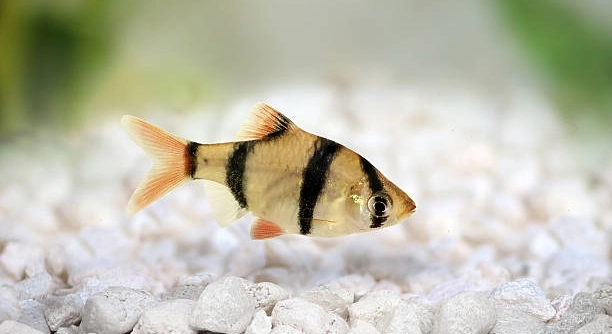
Do you ever find yourself watching your fish swim and wondering if they recognize each other or form little social groups in the tank?
Tiger barbs can show group loyalty through schooling behavior, preference for familiar tank mates, and coordinated movement. Scientific observations suggest that they feel more secure and less stressed when kept in stable groups, displaying social bonds.
Their behavior may appear simple, but it reveals a lot about how they interact and thrive in a shared environment.
What Group Loyalty Looks Like in Tiger Barbs
Tiger barbs are active fish that prefer living in groups. In a tank, they usually swim together and mirror each other’s movements. This kind of schooling shows a sense of loyalty to their group. When separated, they can become stressed or more aggressive. Fish that live together for a long time often settle into a more stable pattern, which suggests they grow used to each other. This familiarity helps reduce fighting and makes them feel more secure. Group loyalty in tiger barbs isn’t like human loyalty, but it still shows in how they choose to stay close and react when their group is disrupted. Keeping them in small groups of at least six encourages this natural behavior and supports their health. Their loyalty is rooted in survival and comfort. The more stable their environment and group, the more likely they are to show these behaviors day after day.
When tiger barbs feel safe in a group, they are less likely to nip at other tank mates or hide in corners.
This behavior is especially helpful in community tanks. If tiger barbs don’t have a group they trust, they may act out. Their loyalty helps maintain a balanced atmosphere in the tank. You’ll notice smoother swimming patterns, less chasing, and better feeding habits when they’re surrounded by familiar fish. While it may seem like basic schooling, the way they interact shows signs of strong group preference. If you change up the tank too often or separate them, they may stop showing those stable behaviors. So, while they aren’t loyal in a human sense, they do rely on a familiar group for support and safety in their own way. This is why it’s important to watch how they behave in different group sizes or tank setups.
How to Support Group Loyalty in Your Tank
Group size plays a major role in how tiger barbs behave. A group of at least six keeps them more balanced and calm.
To encourage this group loyalty, keep their living conditions steady. Sudden changes in temperature, water quality, or group members can make them anxious. Tiger barbs do best in stable, well-filtered tanks where their group remains consistent. Avoid adding or removing fish too often. Feed them at the same times and in the same areas to help them build patterns with their group. Watching them interact over time helps you see how strong their group bond can become. If one fish is sick or removed, it may change how the others behave. Rearranging plants or decorations too often can also disrupt their routines. Keeping things predictable helps tiger barbs maintain their schooling behavior and group loyalty. In short, they thrive on routine and familiarity. Their loyalty isn’t emotional, but it is shaped by comfort, security, and daily patterns.
Signs Your Tiger Barbs Are Loyal to Their Group
Tiger barbs that are loyal to their group will swim closely together, often moving in the same direction. They’ll rarely wander off on their own and show calm, steady behavior when surrounded by familiar fish.
You might also notice they eat at the same time and chase each other less when they’re in a stable group. If one fish changes direction, the others follow. This schooling behavior is a clear sign of trust within the group. When they feel safe, they interact more smoothly and don’t nip or hide as much. If a new fish is added, the group may take time to adjust or even become more aggressive. These changes show that tiger barbs rely on familiar members for stability. Watching how they behave daily can help you spot when their sense of loyalty is strong—or when something may be off in the tank.
Another thing to watch for is how they react during stressful moments, like water changes or loud sounds near the tank. Loyal groups tend to bunch together tightly in these times instead of scattering. This close grouping is a form of comfort and protection. If they’re not showing this behavior, it could mean they don’t feel secure with the current group or tank setup. Small cues like slower movement, shared hiding spots, and a balanced feeding routine also hint at a steady group connection. These patterns may not seem dramatic, but they help you know when your tiger barbs are feeling stable and settled. Staying alert to these behaviors helps you understand what your fish need to feel safe in their group.
Common Mistakes That Disrupt Group Loyalty
Moving fish too often or rearranging the tank every few days can make tiger barbs anxious. These changes can upset their group behavior and lead to stress or aggression.
Tiger barbs do not adjust well to sudden changes. Adding new fish without a quarantine period or removing familiar tank mates too quickly can cause group loyalty to break down. When a group is broken or constantly changing, schooling behavior weakens and the fish become more aggressive. Another mistake is keeping too few tiger barbs. A group of less than five may make them feel unsafe, increasing their need to chase others or hide. Overcrowding is also harmful, leading to territory disputes. Inconsistent feeding schedules and poor water quality are often overlooked but have a strong impact on their mood. To protect their group loyalty, it’s best to avoid sudden changes and give them a stable, consistent space to live in.
How Environment Affects Group Behavior
A calm, quiet space helps tiger barbs feel secure enough to stay close to their group. Sudden movement, noise, or constant changes around their tank can cause stress and break their usual schooling pattern.
Dim lighting, proper hiding spots, and steady water flow also support stronger group behavior. These conditions help them relax and stick with familiar fish.
What to Avoid in Tank Setup
Avoid placing the tank in high-traffic areas where sudden movement or loud sounds are common. These things can make tiger barbs uneasy and push them to act out or split from their group. Choose a space that’s quiet and not too bright. Over-decorating the tank can also cause trouble. If there are too many items in the way, it interrupts their schooling flow. Try to give them open swimming space while still offering a few hiding spots. The right setup can reduce stress and help their group loyalty grow stronger over time.
Why Stability Matters
A steady setup allows tiger barbs to form lasting group patterns and feel safe in their environment.
Can Tiger Barbs Recognize Individual Fish in Their Group?
Tiger barbs don’t recognize individual fish the way humans do, but they can tell familiar tank mates apart from strangers. They rely on visual cues like size, color patterns, and swimming behavior to identify who belongs in their group. This recognition helps reduce aggression and supports smoother group interactions.
How Many Tiger Barbs Should Be Kept Together?
Keeping at least six tiger barbs is ideal. Smaller groups can cause stress and increase aggression because the fish don’t feel secure. Larger groups encourage natural schooling behavior and help build group loyalty, making the fish calmer and more social.
What Happens When a Tiger Barb Is Removed From Its Group?
Removing a fish can disrupt the group’s balance. The remaining tiger barbs might become more aggressive or stressed. The fish left behind often show changes in behavior, like less schooling or more chasing. It’s best to keep the group consistent to maintain stability.
Do Tiger Barbs Show Loyalty to Fish of Other Species?
Tiger barbs mostly show group loyalty to their own kind. They may swim near other peaceful species, but their schooling and close group behaviors are strongest with fellow tiger barbs. Other species usually don’t become part of their “group” in the same way.
Can Tiger Barbs Become Aggressive If They Don’t Have a Group?
Yes, tiger barbs can become more aggressive when kept alone or in very small numbers. Without a group to interact with, they may chase other tank mates or nip fins. This behavior shows they need social contact with their own kind to stay calm.
How Can I Help New Tiger Barbs Adjust to an Existing Group?
Introducing new fish slowly helps. Quarantine the new tiger barbs before adding them, then place them in the tank with plenty of hiding spots. It takes time for the group to accept newcomers. Watch for bullying, and if aggression is high, consider rearranging tank decorations to break up territories.
Is Group Loyalty the Same as Friendship in Tiger Barbs?
No, tiger barbs don’t form friendships like humans do. Their group loyalty is based on survival instincts and comfort in numbers. They stick together to feel safer and reduce stress, not because of emotional bonds.
What Tank Conditions Support Group Loyalty?
Stable water temperature, clean water, and consistent feeding times help tiger barbs feel secure. Sudden changes or poor water quality increase stress and can break down group behavior. A well-maintained tank supports healthier, calmer fish that stay loyal to their group.
Do Tiger Barbs Show Loyalty Outside the Aquarium?
In the wild, tiger barbs also school tightly for safety and social reasons. Their loyalty to the group is a natural behavior that helps protect them from predators. This instinct continues in the aquarium, even though the environment is safer.
How Long Does It Take for Tiger Barbs to Form Group Loyalty?
It can take several weeks for tiger barbs to settle into a group and show strong schooling behavior. Consistency in their environment and group members speeds this process. Frequent disruptions slow it down and increase stress.
Can Stress Affect Group Loyalty in Tiger Barbs?
Stress weakens group loyalty by making fish more aggressive or withdrawn. Causes include poor water quality, overcrowding, or sudden changes in the tank. Reducing stress helps tiger barbs stick together and behave naturally.
Are Male and Female Tiger Barbs Different in Showing Group Loyalty?
Both males and females show group loyalty through schooling, but males may display more chasing or competition during breeding times. Outside of this, their social behaviors are similar and both rely on group stability for comfort.
What Signs Show Tiger Barbs Are Comfortable in Their Group?
Calm, coordinated swimming, low aggression, and active feeding together show comfort. Fish that scatter, hide, or nip others might not feel secure. Comfortable groups stick close and share space peacefully.
How Does Tank Size Affect Group Loyalty?
A tank that’s too small can cause stress and fighting, breaking group loyalty. A larger tank allows natural swimming patterns and reduces conflicts. Adequate space helps tiger barbs stay together without feeling crowded.
Can Changing Tank Decor Help Improve Group Loyalty?
Sometimes rearranging plants and decorations helps break up aggressive territories and encourages schooling. However, frequent changes cause stress, so do it sparingly. The goal is to balance open swimming space with hiding spots for comfort.
Is It Normal for Tiger Barbs to Ignore Newcomers at First?
Yes, new fish are often ignored or chased initially as the group tests them. This behavior usually settles over time if the tank conditions remain stable. Patience is key to helping the group accept newcomers peacefully.
How Important Is Lighting for Group Loyalty?
Soft, natural lighting helps tiger barbs feel safe. Harsh or flickering lights can stress them and disrupt schooling. Consistent lighting schedules support stable behavior and group cohesion.
Do Tiger Barbs Show Loyalty in Community Tanks?
They do, but their loyalty is mostly to other tiger barbs. In community tanks, their group behavior helps reduce aggression toward other species. However, overcrowding or incompatible tank mates can disrupt their social balance.
Can Feeding Routine Impact Group Loyalty?
Yes, feeding at regular times in predictable spots helps tiger barbs build group routines. This consistency reduces stress and supports social bonding, making the group more stable overall.
What Are Early Signs of Group Loyalty Breakdown?
Increased chasing, hiding, or erratic swimming can signal problems. If schooling breaks down and aggression rises, it’s a sign the group feels unstable. Checking tank conditions and group size can help fix this.
Tiger barbs show a kind of group loyalty that helps them feel safe and comfortable in their environment. While they don’t form emotional bonds like humans, their natural schooling behavior means they prefer to stay with familiar fish. This loyalty is important because it reduces stress and aggressive behavior, helping the fish live healthier lives. When tiger barbs are kept in stable groups with consistent tank conditions, they show calmer and more coordinated swimming patterns. This makes it easier to care for them and enjoy watching their social interactions.
It’s clear that maintaining group loyalty in tiger barbs depends on several key factors. The size of the group is very important — too few fish can cause anxiety and more aggression, while a properly sized group encourages natural behavior. Consistency also matters a lot. Frequent changes in tank setup, water quality, or group members can break the group’s sense of security. Keeping the tank clean, feeding on a regular schedule, and avoiding sudden disruptions all help tiger barbs feel comfortable with their group. Giving them enough space to swim and some hiding spots also supports their social behavior.
If you want your tiger barbs to show strong group loyalty, focus on providing a steady and peaceful environment. Watch their behavior closely to notice signs of stress or discomfort. When they swim together calmly, eat at the same time, and avoid unnecessary chasing, it means their group loyalty is strong. Remember that their loyalty is based on comfort and survival instincts, not emotional connections. Understanding this helps create a better home for your fish, where they can thrive and display their natural social behaviors. Overall, respecting their needs and keeping their group stable will result in a healthier and happier aquarium community.

Hello,
If you enjoy the content that we create, please consider saying a "Thank You!" by leaving a tip.
Every little bit helps us continue crafting quality advice that supports the health, happiness, and well-being of pets around the world, for pets of all shapes, sizes, and species.
We really appreciate the kindness and support that you show us!