
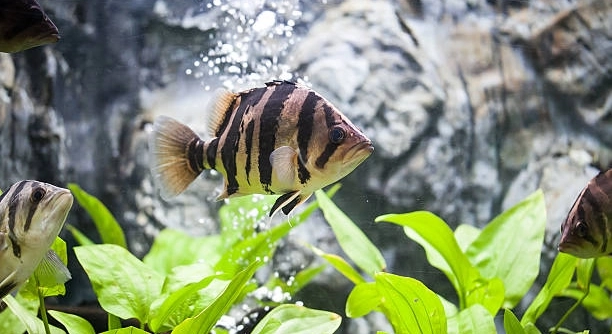
Do you ever find yourself planning a peaceful tank setup and wondering if your Tiger Barbs can live with frogs?
Tiger Barbs should not be housed with frogs due to differences in behavior, environmental needs, and feeding styles. Their active and sometimes aggressive nature can cause stress or harm to more passive aquatic frogs.
Learning how each species behaves can help you create a safe, stress-free environment for all your aquatic pets.
Why Tiger Barbs and Frogs Don’t Mix
Tiger Barbs are fast swimmers with a bold and active nature. They often nip at the fins of other fish and don’t do well with slower, calmer tank mates. Frogs, especially aquatic ones like African Dwarf Frogs, move slowly and can easily become targets for Tiger Barbs. These frogs also require calm spaces to rest and breathe at the surface, while Tiger Barbs tend to dart around and disturb that calm. It’s not just about temperament either—both animals have different needs when it comes to water temperature, flow, and tank layout. Trying to meet both sets of needs can lead to stress for one or both species. In most cases, it’s better to keep them in separate tanks where they can each thrive without conflict or competition. A peaceful tank setup depends on choosing compatible species with similar behaviors and needs.
Trying to force this combination rarely ends well. It usually causes more stress than harmony.
Even though you might like the idea of mixing species, it’s important to understand how mismatched tank mates can negatively affect their health. Compatibility goes beyond size or feeding habits—it’s about creating an environment where every animal feels secure and undisturbed.
What You Can Do Instead
You still have options that work better than pairing frogs with Tiger Barbs.
Tiger Barbs do best with other quick and active fish that can hold their own, like other semi-aggressive species. Think about adding fish like Zebra Danios, Rosy Barbs, or even certain types of loaches. These types of fish can handle the playful but sometimes rough behavior of Tiger Barbs. On the other hand, frogs do better in calm tanks with soft currents and peaceful tank mates like small livebearers or bottom dwellers. If you enjoy both animals, you could set up two different tanks tailored to their needs. That way, each can live in a space that matches their natural behavior. It might take a little more work, but the results are worth it. Healthy, happy animals always bring more life to a tank, and separating incompatible species avoids problems later on. A calm frog tank and a lively Tiger Barb tank can both be beautiful in their own way.
Risks of Keeping Them Together
Tiger Barbs can stress frogs by chasing or nipping at them. This can lead to injury or weakened immune systems in frogs, making them more likely to get sick. The tank will feel tense rather than peaceful.
Frogs are gentle creatures and often get the short end of the deal in a tank with Tiger Barbs. Even if the frogs find hiding spots, the constant movement and aggression from the Barbs can make it hard for them to relax, eat properly, or even surface to breathe. Over time, this stress can lead to health issues that are difficult to reverse. Injuries from fin nipping may also get infected, which puts the frogs at even more risk. Housing incompatible animals together doesn’t just look bad—it impacts their physical and mental wellbeing.
Many people assume that because both frogs and fish live in water, they’ll get along. But that’s not how it works. Frogs have soft skin that can easily be damaged, and they often move slowly, especially when feeding. Tiger Barbs can quickly snatch up food before frogs even notice it’s there. This can leave the frogs hungry and weak over time. They may also be constantly harassed during feeding, which adds to the overall stress. Feeding issues are often overlooked but make a big difference in the long-term health of any aquatic pet.
Differences in Care Needs
Frogs need still or gently filtered water, while Tiger Barbs prefer a bit of current. That alone makes it hard to keep both species comfortable in the same setup.
Another important difference is temperature. Frogs like their water slightly cooler, while Tiger Barbs thrive in warmer conditions. If you try to find a middle ground, you risk keeping both animals in an unsuitable environment. Lighting is also a factor—Tiger Barbs do well with brighter light, but frogs often need dim or shaded areas to feel secure. They also prefer soft substrates and plants they can rest on, while Barbs enjoy open swimming space. Designing a tank that suits both is almost impossible without compromising one or the other. And when animals live outside of their ideal range for too long, it begins to show in their behavior and health. It’s always better to set up separate tanks that support each animal’s unique needs.
Feeding Challenges in a Shared Tank
Frogs eat slowly and often need quiet time to find and catch their food. Tiger Barbs are fast and aggressive eaters, quickly grabbing food before frogs get a chance. This creates an unfair feeding environment.
Uneven feeding can lead to frogs not getting enough nutrition. Over time, this weakens their health and leaves them vulnerable to illness.
Better Tank Mates for Each Species
Tiger Barbs should be kept with other active, semi-aggressive fish that can match their energy. Good choices include Rosy Barbs, Cherry Barbs, and fast-moving bottom dwellers like Yo-Yo Loaches. Avoid slow or long-finned fish, as they tend to get picked on. Frogs do best with calm, peaceful fish like small livebearers or certain types of Corydoras. These fish won’t compete aggressively for food or invade the frogs’ space. Matching each animal with species that share similar habits makes tank life much easier for everyone involved. Peaceful pairings help both animals stay healthy and active without unnecessary stress.
Final Thoughts on Mixing Species
It may be tempting to mix them, but giving each one its own space is always the safer choice.
FAQ
Can Tiger Barbs live peacefully with frogs?
Tiger Barbs generally do not live peacefully with frogs. Their active and sometimes aggressive behavior can cause stress or injury to frogs, who are much slower and more delicate. Frogs may hide constantly or get hurt from fin nipping, which affects their health and well-being.
What types of frogs are commonly kept in aquariums?
Aquatic frogs like African Dwarf Frogs and Fire-Bellied Toads are popular choices. These frogs prefer calm water with low current and need soft, smooth tank surfaces to protect their sensitive skin. They are peaceful animals that thrive best without fast, aggressive fish nearby.
Why do Tiger Barbs nip at other tank mates?
Tiger Barbs have a natural tendency to nip fins as part of their social behavior. They are active and territorial fish, and fin nipping can be a way to establish dominance or play. This behavior makes them unsuitable for peaceful or slow-moving tank mates like frogs.
Can I reduce aggression by keeping more Tiger Barbs together?
Keeping Tiger Barbs in groups of six or more can reduce aggression within their own species because the nipping gets spread out. However, this does not prevent them from stressing or harming frogs or other slow tank mates. Their high energy and fast movements remain a problem for frogs.
What tank setup suits Tiger Barbs best?
Tiger Barbs prefer a moderately sized tank with plenty of swimming space, medium water flow, and good filtration. They like planted tanks but need open areas to swim freely. Water temperature should be around 74–79°F (23–26°C), and pH should stay between 6.5 and 7.5.
What tank setup is best for aquatic frogs?
Aquatic frogs need calm water with gentle filtration to avoid strong currents. They appreciate soft substrates like sand or smooth gravel and plenty of hiding spots with plants or decorations. Water temperature should usually be a bit cooler than for Tiger Barbs, around 72–78°F (22–25°C).
How do I feed frogs and Tiger Barbs in separate tanks?
Feed frogs with sinking pellets, bloodworms, or brine shrimp that reach the bottom where they live. Tiger Barbs should get flake food, pellets, and occasional live or frozen treats near the surface or mid-water. Feeding in separate tanks ensures both species get proper nutrition without competition.
Is it okay to keep frogs with other types of fish?
Yes, frogs do well with peaceful fish like small livebearers, Corydoras catfish, or some rasboras. These fish won’t stress the frogs or compete aggressively for food. Always research the specific needs and temperament of any fish before combining them with frogs.
What signs show a frog is stressed in a community tank?
Signs include hiding constantly, refusing to eat, sluggish movement, skin damage, and unusual breathing patterns. If you notice these behaviors, the tank environment or tank mates might be causing stress. Frogs need quiet, calm conditions to stay healthy.
Can water quality affect compatibility?
Absolutely. Frogs are sensitive to poor water quality, and aggressive fish like Tiger Barbs can increase waste levels due to their activity. Keeping water clean with proper filtration and regular changes is critical, but incompatible species will still struggle even in great water conditions.
Are there alternatives if I want both frogs and Tiger Barbs in one setup?
If space is limited, consider a divided tank that physically separates the frogs from the Tiger Barbs. This allows you to maintain different water flows and feeding routines while keeping both animals safe. However, a divided tank requires careful maintenance and monitoring.
How often should I check on my mixed species tank?
Daily observation is important, especially when first introducing new species. Watch for signs of aggression, stress, or illness. Early detection helps prevent serious problems and lets you adjust tank conditions as needed.
What should I do if my frogs get injured by Tiger Barbs?
Remove the injured frogs immediately and place them in a quarantine tank for recovery. Treat wounds with aquarium-safe medications and keep water clean. Assess whether the current tank setup is suitable or if permanent separation is necessary.
Can frog skin toxins affect Tiger Barbs?
Some frogs produce mild toxins in their skin as a defense mechanism, but these usually don’t harm Tiger Barbs in a well-maintained aquarium. Still, it’s another reason to avoid mixing species that might have unexpected chemical interactions.
How big should the tank be for either species?
For Tiger Barbs, a minimum of 20 gallons is recommended for a small group. Frogs need at least 10 gallons per frog to have enough space and hiding places. Larger tanks make it easier to maintain water quality and reduce stress for both species.
Is it better to buy juvenile or adult frogs and fish when setting up a tank?
Buying juveniles allows them to grow together if they are compatible, but it’s risky with species like Tiger Barbs and frogs. Adults give you a better idea of their temperament and size, helping prevent surprises in behavior or compatibility later on.
Can Tiger Barbs jump out of the tank?
Yes, Tiger Barbs are active jumpers, so it’s important to have a tight-fitting lid. Frogs are less likely to jump but also benefit from a secure tank top to prevent escapes or accidents.
What plants work well in tanks with Tiger Barbs and frogs?
Hardy plants like Java Fern, Anubias, and Cryptocoryne survive well with Tiger Barbs, who may nip at softer plants. Frogs appreciate floating plants or broad-leaf plants where they can rest near the surface. Live plants improve water quality and provide hiding spots for both.
Are there behavioral signs that show Tiger Barbs are too stressed?
If Tiger Barbs show excessive fin clamping, loss of color, hiding constantly, or lack of appetite, they may be stressed by tank conditions or incompatible tank mates. Keeping them in groups and a well-maintained tank helps reduce stress.
What is the best way to introduce new fish or frogs to a tank?
Introduce new animals slowly and watch interactions closely. Quarantine new arrivals to prevent disease spread. Use rearranged decorations to reduce territorial behavior. Introducing animals during feeding time can help reduce aggression. Always research compatibility before adding new species.
When it comes to keeping Tiger Barbs and frogs together, the best choice is usually to keep them separate. Their different behaviors and needs make it very hard for them to live peacefully in the same tank. Tiger Barbs are fast, active, and sometimes aggressive fish, while frogs are slower and more delicate. Trying to put these two very different animals in one tank often leads to stress and even injury, especially for the frogs. They need calm spaces and quiet environments to feel safe, but Tiger Barbs’ constant movement and nipping disrupt that peace. By keeping them apart, you give each animal a better chance to stay healthy and happy.
It’s also important to think about their different care requirements. Frogs prefer cooler water with gentle flow, while Tiger Barbs like warmer temperatures and more water movement. Lighting and tank setup needs also vary between these species. Frogs need soft substrates and places to hide and rest, while Tiger Barbs enjoy open swimming areas and planted spaces that allow fast movement. If you try to compromise and create one tank for both, you might end up with conditions that don’t suit either animal well. In the long run, that can cause illness or behavioral problems. Setting up separate tanks lets you tailor the environment to the specific needs of each species, which is better for their health.
Lastly, feeding these animals in the same tank can be difficult. Tiger Barbs are quick and aggressive eaters, while frogs often feed slowly and need quiet to find their food. When they share a tank, frogs may miss meals or become stressed during feeding times. This uneven feeding can cause health issues for the frogs over time. Providing separate feeding areas in different tanks ensures each animal gets the nutrition it needs without competition. In the end, giving both Tiger Barbs and frogs their own space is the best way to enjoy their unique qualities and keep them thriving. It may take more effort, but it makes the experience more rewarding for you and safer for your aquatic pets.

Hello,
If you enjoy the content that we create, please consider saying a "Thank You!" by leaving a tip.
Every little bit helps us continue crafting quality advice that supports the health, happiness, and well-being of pets around the world, for pets of all shapes, sizes, and species.
We really appreciate the kindness and support that you show us!