
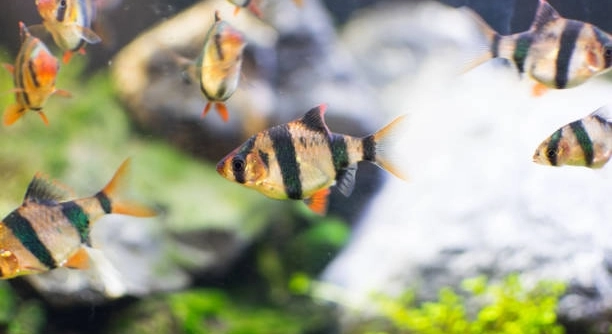
Do you ever find yourself watching your tiger barbs chase each other during feeding time and wondering if they can eat in peace?
Tiger barbs can share food without fighting, but their natural tendency toward fin-nipping and competitive behavior often causes conflict. Providing multiple feeding spots and monitoring group size helps reduce aggression and supports more peaceful feeding routines.
Feeding time doesn’t have to turn into a frenzy. With the right setup and a few simple changes, your tiger barbs can enjoy mealtime together with less stress and fewer scuffles.
Why Tiger Barbs Fight Over Food
Tiger barbs are active and social fish, but they have a strong pecking order that can lead to food-related aggression. When they feel like food is limited, the dominant fish often chase or nip at others to claim more for themselves. This behavior is part of their natural instincts and isn’t always serious, but it can become stressful for the weaker or smaller fish in the tank. In some cases, food competition can even lead to injury. Overcrowded tanks or not enough hiding spots can make this behavior worse. When space is tight, there’s nowhere for shy fish to retreat, which raises tension during feeding. It’s not just about how much food is in the tank—how it’s given and where it’s placed matters just as much. Watching their behavior closely helps you understand what changes might be needed to keep the tank more peaceful during meals.
A fast-paced feeding style and a strong need to compete push tiger barbs to act out, especially during feeding.
Keeping tiger barbs in a group of six or more helps reduce aggression. This spreads out dominant behavior and keeps one fish from being singled out. Using sinking pellets or scattering food in different spots can also keep fights from happening. Feeding smaller amounts more frequently gives everyone a better chance to eat without stress. Fish that feel full and safe are less likely to chase others. Giving them a balanced diet with both flakes and live or frozen food can also help. A peaceful tank is not always about luck—it’s often about setting it up in a way that works with their natural instincts. If you notice constant nipping or bullying during meals, it’s a sign to adjust your setup. Adding plants or decorations can give fish a place to rest and feel secure. Even small changes can have a big impact on how they behave at feeding time.
Helping Them Eat in Peace
Aggression can be reduced with the right feeding methods and tank setup. Tiger barbs don’t need to fight if their environment supports calm feeding.
Try feeding in different areas of the tank using floating and sinking food. This keeps dominant fish from guarding one spot. A larger tank with open swimming space and areas to hide helps break up tension. When tiger barbs feel safe, they’re less likely to become aggressive. Adding more fish of the same species can also help spread out the attention of the more dominant ones. This creates a balanced group and lowers the chances of one fish being targeted. Stick to regular feeding times so they know food is coming and don’t panic. Keep an eye on their behavior, and don’t be afraid to adjust things if something seems off. With a bit of observation and the right approach, it’s possible to help tiger barbs enjoy a more peaceful mealtime.
Feeding Tips That Reduce Aggression
Feed small portions in different areas of the tank at the same time. This makes it harder for dominant fish to control all the food and helps ensure every barb gets a chance to eat without being chased or bullied.
Using a mix of floating flakes and sinking pellets spreads food across different levels of the tank. This gives all tiger barbs—especially the less aggressive ones—a better chance to eat. Floating food works well for quick swimmers, while slower or shy fish may do better with food that sinks. Try feeding smaller amounts more often instead of one large meal. This reduces panic and teaches the fish that food is not limited. Observe where most of the aggression happens and drop food away from that area. A quiet feeding setup is possible with just a few small changes to your daily routine.
Keep the tank clean and stable to avoid stress during feeding. Dirty water or sudden changes can make tiger barbs more aggressive, especially if they already feel tense during mealtime. Stick to a regular schedule for both feeding and maintenance. A consistent environment helps fish feel secure, which can reduce their need to compete. Make sure you’re not overfeeding. Excess food can rot and lower water quality, while underfeeding can increase tension. Aim for just enough food that they can eat within a couple of minutes. You’ll get a better result if you watch how they respond and adjust your methods as needed.
Creating the Right Tank Setup
Tiger barbs do best in tanks that are at least 20 gallons, but bigger is usually better. More space allows them to swim freely and helps break up aggressive behavior during feeding.
Keep them in a group of six or more to balance their social structure. Smaller groups often lead to bullying and food fights. Add plants, rocks, or decorations that create natural breaks in their line of sight. This helps reduce chasing by giving fish places to rest or hide. A long tank works better than a tall one since it gives them more horizontal space to swim, which matches their active behavior. Good filtration is also key—clean water keeps them healthier and less prone to stress. Set the temperature between 74–79°F and keep lighting gentle to avoid sudden shocks. All of these details can make feeding time calmer and more enjoyable for both you and your tiger barbs.
Signs Your Tiger Barbs Are Too Aggressive
Constant chasing during feeding, torn fins, or one fish hiding most of the time can all point to too much aggression. These signs should be taken seriously, especially if they happen regularly.
If you notice uneven growth or weight differences, it may mean some fish aren’t getting enough food. Watch closely during feeding.
When to Separate Tiger Barbs
If one fish is being bullied daily or has visible injuries, it might be time to move it to another tank. Separation isn’t always needed, but in some cases, it helps reduce stress for both the injured fish and the group. Try adjusting the setup first, like adding more plants or spreading out food better. If that doesn’t work, a temporary holding tank or rehoming one of the more aggressive barbs can improve the situation. Keep monitoring even after making changes. Once things settle, the group may become more balanced and peaceful without needing long-term separation.
Final Thought on Feeding Behavior
Feeding time doesn’t have to be stressful. With the right tank setup and methods, tiger barbs can eat calmly and stay healthy.
FAQ
Can tiger barbs eat together without fighting?
Tiger barbs can eat together, but their natural competitive instincts often lead to some chasing or nipping during feeding. This behavior is normal but can be minimized by feeding multiple spots and keeping the group size large enough to spread out aggression. Ensuring plenty of space and hiding spots also helps.
How many tiger barbs should I keep together?
It’s best to keep tiger barbs in groups of six or more. Smaller groups tend to increase aggression because dominant fish focus their energy on fewer tank mates. Larger groups balance out social behavior and reduce the chances of any one fish being bullied or chased during feeding.
What is the best food for tiger barbs to reduce fighting?
A varied diet that includes sinking pellets, flakes, and occasional live or frozen foods helps. Sinking pellets allow less aggressive fish to feed without being chased off. Smaller, more frequent feedings also reduce competition, as fish feel less urgency to claim all the food at once.
Why do tiger barbs nip each other during feeding?
Nipping is a way for tiger barbs to establish dominance and protect their food source. It’s part of their natural social structure but can become problematic if the tank is overcrowded or if food is limited. Proper tank setup and feeding methods can help reduce this behavior.
Can feeding too much food cause problems?
Yes, overfeeding can lead to leftover food decomposing in the tank, which lowers water quality and stresses the fish. Stressed fish are more likely to become aggressive. It’s important to feed just enough food that all the fish can eat within a few minutes without leftovers.
What should I do if one tiger barb is being bullied?
If a fish is repeatedly chased or injured, try adding more hiding places or spreading out the feeding locations. If the bullying continues, consider separating the injured fish temporarily or permanently. Monitoring their behavior after changes is essential to ensure the group becomes more balanced.
Is it normal for tiger barbs to chase each other outside feeding time?
Yes, tiger barbs are naturally active and can chase each other as part of their social behavior, not just during feeding. However, if chasing leads to injuries or constant stress, it might be a sign that the tank is overcrowded or lacks enough space and hiding spots.
How can I tell if my tiger barbs are stressed?
Signs of stress include hiding frequently, loss of appetite, faded colors, torn fins, or excessive chasing. Stress often comes from poor water quality, overcrowding, or constant aggression. Maintaining clean water, proper tank size, and balanced feeding helps keep stress levels low.
Does tank size affect feeding aggression?
Yes, smaller tanks can increase aggression because fish have less space to escape from dominant individuals. Larger tanks give more room to swim and hide, which naturally reduces competition during feeding and helps create a calmer environment.
How often should I feed my tiger barbs?
Feeding small amounts two to three times a day is ideal. This reduces the rush to get all the food at once and gives shy or slower fish a better chance to eat. Regular feeding schedules also help fish feel secure and less aggressive.
Can adding plants help reduce fighting?
Yes, live or artificial plants provide hiding places and visual barriers. These help break up the line of sight, so fish don’t feel constantly watched or chased. Plants also improve water quality and create a more natural environment, which benefits overall fish health.
Are there any tank mates that help reduce aggression?
Adding peaceful, fast-swimming fish that don’t compete directly for food can help spread out attention. Avoid slow or shy species that could be stressed by tiger barbs. Good tank mates can create a balanced environment that distracts from constant dominance struggles.
What type of feeding equipment works best?
Using feeding rings or distributing food with your hand or a small tool helps spread food around the tank. This prevents dominant fish from guarding a single spot and encourages fish to spread out, reducing fights. Avoid dropping all food in one area.
How long should feeding sessions last?
Feeding should last about two to three minutes. This is enough time for all fish to eat without leaving too much uneaten food. Longer sessions increase the risk of leftover food decomposing, while shorter sessions might leave some fish hungry.
Is it better to feed in the morning or evening?
Either time works, as long as it’s consistent. Tiger barbs adapt well to regular feeding schedules, which helps reduce stress and aggression. Feeding twice daily, spaced evenly, tends to keep them healthier and calmer.
Can stress from fighting affect their health?
Yes, constant stress weakens the immune system and makes tiger barbs more vulnerable to disease. Reducing fighting through proper care and feeding improves their overall well-being and lifespan.
What are the signs that feeding aggression is under control?
Fish eat calmly, show healthy growth, and have minimal chasing or fin damage. Most barbs get equal access to food, and the tank environment feels balanced. Regular observation confirms when adjustments have worked well.
Tiger barbs are lively and beautiful fish, but their natural behavior can make feeding time a bit challenging. They tend to be competitive, which sometimes leads to chasing or nipping when food is introduced. This is a common issue many people notice when caring for them. However, it doesn’t mean that feeding has to be stressful for you or the fish. With a good understanding of their behavior and some simple adjustments, you can create a calmer feeding environment. These small changes can help make sure all your tiger barbs get enough food without constant fighting.
Creating the right tank setup plays a big role in reducing food-related aggression. Providing enough space for the group and keeping the number of tiger barbs at six or more can balance their social dynamics. Adding plants, rocks, and decorations creates hiding spots that help fish feel safe and less exposed. Feeding food in several spots rather than one central area also prevents dominant fish from guarding all the food. Feeding smaller portions more often encourages less competition because the fish don’t feel like they have to rush for a limited meal. Paying attention to water quality and maintaining a regular feeding schedule also supports healthier and calmer fish.
It’s important to watch how your tiger barbs behave during feeding and make changes if you see signs of stress or aggression. Injuries, constant chasing, or fish hiding too much are signals that something might need to be adjusted. Sometimes just spreading out food or adding more plants can make a big difference. In more serious cases, temporarily separating an aggressive or bullied fish might be necessary. The goal is to help your tiger barbs thrive together peacefully. When feeding time is calm, it benefits their health and makes caring for them more enjoyable. By understanding their needs and habits, you can create a tank environment where everyone can eat comfortably and coexist happily.

Hello,
If you enjoy the content that we create, please consider saying a "Thank You!" by leaving a tip.
Every little bit helps us continue crafting quality advice that supports the health, happiness, and well-being of pets around the world, for pets of all shapes, sizes, and species.
We really appreciate the kindness and support that you show us!