
Do you ever find yourself setting up a peaceful aquarium only to worry if your fish will actually get along together?
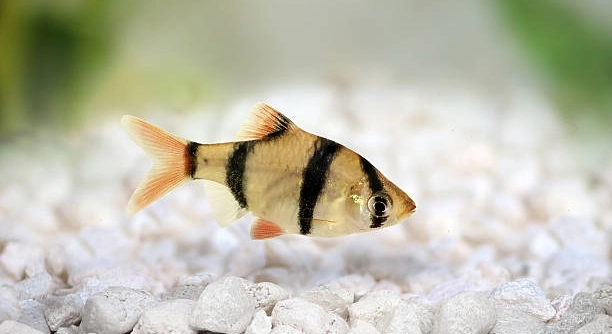
Tiger Barbs are generally not suitable tank mates for Bettas due to their aggressive tendencies. They often nip at the Betta’s flowing fins, leading to stress, injury, and possible health issues for both fish species.
Balancing a community tank takes more than just mixing pretty fish—it’s about understanding their behaviors, temperaments, and compatibility.
Why Tiger Barbs and Bettas Don’t Mix
Tiger Barbs are active, fast-swimming fish with a tendency to nip at fins. Bettas, on the other hand, are slower and have long, flowing fins that can easily become a target. This mix of personalities usually leads to stress, aggression, and even injury. Tiger Barbs thrive in groups and tend to chase or pick on more peaceful tank mates. Bettas prefer calm environments where they don’t feel threatened. When housed together, the Betta is usually the one that suffers most. Even if some people manage to keep them together for a while, the stress and health risks often outweigh any benefit. Their differing needs in water flow and behavior make it a poor match for a peaceful aquarium setup. Choosing tank mates with similar temperaments and space requirements is key. It ensures safety and allows each fish to thrive without the pressure of constant confrontation or discomfort.
While some aquarists try it, most setups eventually lead to problems.
There are plenty of better pairing options if you want a vibrant and peaceful aquarium. It’s important to build an environment where every fish can feel safe and act naturally. Picking the right combinations makes your tank easier to manage and more enjoyable to watch.
Better Tank Mate Choices for Bettas
Bettas do best with peaceful, slow-moving fish that won’t compete for space or attention.
Small schooling fish like Ember Tetras or Harlequin Rasboras make better tank mates for Bettas. They are non-aggressive and usually stay out of the Betta’s way. Corydoras catfish are another solid option since they dwell near the bottom and are unlikely to cause conflict. Snails and shrimp also make great companions in many cases, especially if the Betta is not too territorial. Always monitor your Betta’s behavior when adding new fish. Even peaceful tank mates can cause stress if the Betta is already aggressive or feeling crowded. Also, make sure your tank is large enough and has plenty of hiding spots. Plants and decorations can break lines of sight and help reduce tension. Avoid fish with long fins or bright colors, as they may trigger unwanted reactions. Choosing wisely helps you keep a calm and healthy aquarium.
Signs of Stress or Conflict in Your Tank
Look for torn fins, hiding, refusal to eat, or sudden darting movements. These are common signs that something isn’t right. If aggression continues, it can lead to weakened immune systems, disease, or even death in more vulnerable fish like Bettas.
When fish are uncomfortable or threatened, their behavior changes quickly. A Betta that’s constantly hiding or flaring its gills is not relaxed. If your Tiger Barbs are chasing other fish nonstop, they’re showing territorial or aggressive tendencies. Other signs include faded colors, clamped fins, or a Betta refusing to swim freely. These reactions often stem from ongoing tension in the tank. Catching these signs early allows you to make changes before the situation worsens. Rearranging decorations, separating fish, or creating visual barriers can help reduce stress. But if issues continue, it may be necessary to rehome one of the species for the health of the entire tank.
Monitoring your fish daily is key. Watch how they interact and take note of any new behaviors. Bettas usually thrive in calm tanks, so if yours seems uneasy or stressed, it could be due to tank mates like Tiger Barbs. Aggression doesn’t always show up immediately, so staying alert is important even after the first few days.
How to Create a Peaceful Community Tank
Creating a peaceful tank starts with knowing your fish’s needs. Always match temperaments, swimming styles, and space requirements. A well-balanced tank isn’t just about size—it’s about making sure each species has enough room and doesn’t feel threatened or cornered.
Use a mix of live plants, rocks, and caves to create boundaries and hiding spots. This helps fish feel secure and lowers the chance of direct conflict. Choose a tank size that gives each fish enough territory. Bettas prefer areas near the surface, while bottom dwellers like Corydoras stay low. Adding peaceful mid-level swimmers keeps things balanced. Avoid overcrowding, which raises stress and reduces water quality. Stick to a regular cleaning schedule and monitor water conditions to maintain a healthy environment. Test for ammonia, nitrites, and nitrates weekly. Feed a varied diet and watch how fish behave during feeding. Harmony comes from consistency, space, and thoughtful species selection.
What to Do If You Already Have Them Together
Separate the fish immediately if you see torn fins, chasing, or signs of fear. Use a divider or transfer one species to another tank. Waiting too long can lead to injury or lasting stress.
Adding plants or decorations might help in some cases, but it’s not a reliable fix. Aggressive behavior usually returns over time. It’s safer to set up a second tank or rehome one of the species to avoid long-term problems.
Understanding Betta Behavior in Mixed Tanks
Bettas are territorial by nature and often don’t react well to fast or aggressive fish. Even if they seem calm at first, tension can build slowly. They may start flaring, hiding, or refusing to eat. These are signs they’re not comfortable. Pairing them with peaceful, slow-moving fish reduces stress and keeps the tank calm. Watch closely after introducing new tank mates. Not all Bettas behave the same, so it’s important to respond based on your fish’s behavior. Consistent monitoring helps prevent problems before they become serious and gives each fish the best chance to thrive.
When It’s Best to Keep Them Separate
Some fish simply don’t belong together. Bettas and Tiger Barbs have very different temperaments, and keeping them apart avoids unnecessary conflict. Separate tanks are often the safer and healthier option.
Can Tiger Barbs and Bettas ever live peacefully together?
Tiger Barbs and Bettas usually do not live peacefully together due to their differing behaviors. Tiger Barbs are energetic and often aggressive, while Bettas prefer calm surroundings. In rare cases, if the tank is large enough and heavily planted with plenty of hiding spots, some individuals may coexist temporarily. However, this is not guaranteed, and many Bettas will become stressed or injured by Tiger Barbs. It is generally recommended to keep them separate to avoid conflicts.
Why do Tiger Barbs nip at Bettas?
Tiger Barbs are known fin-nippers because of their playful but aggressive nature. They nip at the fins of slower-moving or long-finned fish like Bettas to assert dominance or out of boredom. Their natural schooling behavior means they are constantly active and curious, and Bettas’ flowing fins can attract unwanted attention. This nipping can cause damage and stress to Bettas, which are less tolerant of harassment.
What tank size is needed if I try to keep Tiger Barbs and Bettas together?
A very large tank—at least 30 gallons—is required if you attempt to house these species together. More space reduces direct encounters and allows each fish to claim its own territory. However, size alone won’t solve aggressive behavior; plenty of plants and hiding spots are necessary to break sightlines. Even with a large tank, close monitoring is essential, and separating the fish may still be needed.
Can adding more Tiger Barbs reduce aggression toward the Betta?
Adding more Tiger Barbs to form a larger school can sometimes reduce aggression toward other tank mates. When they have company of their own kind, Tiger Barbs focus their energy within their group. Still, this does not guarantee the Betta will be safe, as Bettas may provoke Tiger Barbs by their presence or color. The risk remains significant, and careful observation is crucial.
Are there better tank mates for Bettas than Tiger Barbs?
Yes, Bettas do better with peaceful, slow-moving fish that won’t challenge their territory. Small tetras, rasboras, and bottom-dwelling species like Corydoras catfish are good choices. Shrimp and snails can also coexist well, depending on the Betta’s temperament. Avoid fast, aggressive, or fin-nipping fish to keep your Betta comfortable.
How can I tell if my Betta is stressed by tank mates?
Signs of stress include hiding, loss of appetite, faded colors, clamped fins, and constant flaring. Bettas may also become lethargic or stop swimming freely. If you notice these behaviors after introducing new fish, the tank mates might be causing stress. Immediate changes such as adding hiding spots or separating fish can improve the Betta’s wellbeing.
Is it possible to train Tiger Barbs not to nip?
Tiger Barbs’ nipping behavior is instinctual and difficult to change. While providing enrichment and proper diet can reduce boredom-related nipping, their natural behavior means some level of fin-nipping will persist. Trying to train them is usually ineffective, so it’s better to choose compatible tank mates than to rely on behavior modification.
What water conditions suit both Tiger Barbs and Bettas?
Both species prefer similar water temperatures between 74°F and 80°F. However, Tiger Barbs prefer more oxygenated water with moderate flow, while Bettas thrive in calmer conditions with less current. Maintaining a stable temperature and clean water is essential for both, but balancing flow levels requires careful tank setup and consideration of their different needs.
Can bettas live alone, and is it better than housing them with other fish?
Bettas are often kept alone because they can be territorial and aggressive. Many Bettas live happy, healthy lives in solitary tanks. Housing them alone removes risks of aggression and stress from incompatible tank mates. If a community tank is desired, it must be planned carefully with compatible species to prevent conflicts.
What should I do if aggression between Tiger Barbs and Bettas starts?
If aggression occurs, separate the fish immediately using a tank divider or by relocating one species to another aquarium. Continuing to keep them together risks injury and long-term stress. After separation, observe each fish for signs of recovery. Adjust tank layout and choose peaceful species to maintain harmony in future setups.
Choosing the right fish for a community tank requires careful thought and understanding of each species’ behavior. Tiger Barbs and Bettas have very different temperaments that make sharing a tank difficult. Tiger Barbs are active, fast swimmers that often nip at other fish, while Bettas are more territorial and sensitive to stress. Keeping them together usually leads to problems like fin damage and constant chasing. This can harm both species and create a stressful environment that affects their health and lifespan. Knowing these differences helps prevent avoidable conflicts in your aquarium.
If you already have Tiger Barbs and Bettas in the same tank, it’s important to watch their interactions closely. Signs of stress or aggression should not be ignored. Injuries like torn fins or hiding behavior mean the current setup is not working. Creating more hiding spots or rearranging decorations can help temporarily, but these measures often aren’t enough. Separating the species is usually the best solution to protect your fish. Providing each fish with enough space and peaceful tank mates improves their well-being and helps maintain a balanced aquarium.
Ultimately, the goal is to create a calm and healthy environment for all your fish. Selecting compatible species and considering their natural behaviors makes tank maintenance easier and more enjoyable. Bettas generally do better with peaceful fish that don’t compete for territory, while Tiger Barbs thrive best in groups of their own kind. Taking the time to research and plan your community tank carefully leads to a happier aquarium where your fish can live without stress or harm. This approach ensures your tank remains a place of beauty and interest for years to come.

Hello,
If you enjoy the content that we create, please consider saying a "Thank You!" by leaving a tip.
Every little bit helps us continue crafting quality advice that supports the health, happiness, and well-being of pets around the world, for pets of all shapes, sizes, and species.
We really appreciate the kindness and support that you show us!