
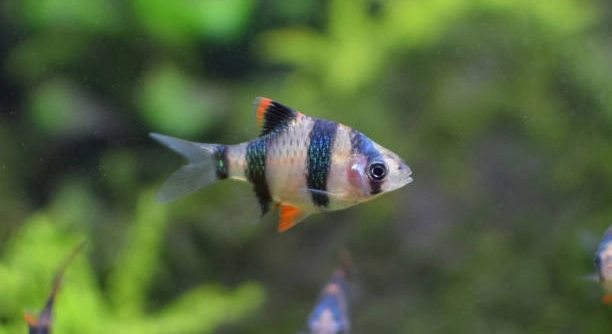
Tiger Barbs are colorful, active fish often kept in home aquariums. Many owners notice their fish reacting to mirrors or shiny surfaces. Understanding how these fish respond to reflections can reveal interesting behaviors about their awareness.
Tiger Barbs do not recognize themselves in a reflection. Their reactions are based on perceiving the reflection as another fish, not as their own image. This behavior aligns with common patterns seen in many fish species lacking self-awareness.
Exploring this topic helps aquarium owners better understand their Tiger Barbs’ behavior and how reflections influence their daily interactions in the tank.
How Tiger Barbs React to Their Reflection
When Tiger Barbs see their reflection, they often display curious and sometimes aggressive behavior. They may swim rapidly toward the glass or flare their fins, mistaking the image for a rival fish. This response is part of their natural territorial instincts. Reflections can trigger territorial disputes as the fish try to assert dominance over what they perceive as an intruder. This behavior is more common in males during breeding periods, but females may also react. Over time, some fish may become accustomed to their reflection and show less aggression. It is important for aquarium owners to observe these behaviors to ensure the fish are not stressed. Excessive aggression caused by reflections can lead to injury or exhaustion. Managing tank decorations and lighting can help reduce reflections and improve the fish’s comfort in their environment.
These reactions to reflections help explain why Tiger Barbs sometimes act restless or agitated near tank walls.
Providing a calm environment reduces unnecessary stress and promotes healthier interactions among fish.
Reflection and Fish Behavior
Reflections affect Tiger Barbs’ behavior by simulating the presence of other fish in their territory. The fish respond instinctively rather than with self-recognition. This reaction is common in many fish species, which do not have the cognitive ability to identify themselves in a mirror. Understanding this helps tank owners manage their aquarium environment better. Limiting reflections reduces conflicts and encourages natural social behavior. In some cases, reflections can stimulate activity and exercise, but this should be monitored to prevent stress. Providing hiding spots and a balanced group of fish helps maintain peace. Overall, managing the environment in response to reflections supports the well-being of Tiger Barbs and other aquarium species.
Effects of Reflection on Tiger Barbs’ Stress Levels
Reflections can increase stress in Tiger Barbs when they perceive their image as a rival. This repeated trigger can affect their behavior and health.
Stress caused by seeing their reflection often leads to increased aggression, restlessness, and sometimes fatigue. When Tiger Barbs continuously react to their reflection, their energy is spent on defensive behaviors rather than normal activities like feeding or exploring. Over time, this can weaken their immune system and make them more vulnerable to diseases. Recognizing these signs early allows owners to adjust the aquarium setup to reduce stress. Simple changes like repositioning the tank or covering reflective surfaces can lower the fish’s agitation and improve their overall well-being.
Stress management is crucial to maintaining a healthy tank environment. Reducing reflections helps Tiger Barbs focus on natural social interactions rather than perceived threats.
How to Minimize Reflection in Your Aquarium
Controlling reflections involves adjusting lighting and tank placement. Avoid direct sunlight and bright lights facing the glass, which create stronger reflections. Position the tank away from windows or use curtains to reduce natural light exposure. Placing a background on the aquarium’s back wall also limits reflective surfaces inside the tank. Using darker or matte finishes on the tank edges can prevent light from bouncing around.
Adding plants and decorations breaks up reflective areas, creating a more natural environment. These elements distract the fish from their reflections and reduce aggressive behaviors triggered by mirror images. Maintaining stable lighting conditions with consistent, moderate brightness is helpful. Simple steps in controlling reflections help create a calmer and more comfortable habitat for Tiger Barbs.
Recognizing Aggression Triggered by Reflections
Aggressive behavior often appears when Tiger Barbs see their reflection. This can include chasing, flaring fins, and rapid swimming.
Such responses are natural but can lead to stress if they happen frequently. Observing these signs helps prevent prolonged aggression and injury in the tank.
Using Tank Mates to Reduce Reflection Stress
Adding compatible tank mates can distract Tiger Barbs from their reflections. Social interaction with other fish often reduces aggressive responses toward mirror images.
Choosing peaceful species that do not provoke competition works best. This approach encourages natural behaviors and keeps stress levels lower.
When to Consider Tank Adjustments
If aggressive behavior continues despite changes, it may be time to rearrange the tank. Moving decorations or changing lighting can reduce reflections further.
Creating a calm environment supports the health and happiness of Tiger Barbs. Simple adjustments often bring noticeable improvements quickly.
FAQ
Can Tiger Barbs actually recognize themselves in a mirror?
Tiger Barbs do not have the ability to recognize themselves in a mirror. When they see their reflection, they interpret it as another fish. This triggers territorial or social behavior, but they do not understand that the image is their own. This lack of self-recognition is common among many fish species.
Why do Tiger Barbs act aggressively toward their reflection?
Aggression toward reflections happens because Tiger Barbs mistake their image for a rival. This causes them to display defensive or territorial actions like chasing or flaring fins. This behavior is natural but can become stressful if repeated too often or for long periods.
Is it harmful if Tiger Barbs keep attacking their reflection?
Yes, continuous aggression can cause stress, exhaustion, and even injuries. When Tiger Barbs repeatedly attack their reflection, it drains their energy and can weaken their immune system. It is important to reduce reflections to avoid long-term harm.
How can I tell if my Tiger Barbs are stressed from seeing their reflection?
Signs of stress include constant chasing of the mirror image, loss of appetite, lethargy, and damaged fins from frequent aggression. If you notice these behaviors, it’s a good idea to check for reflections in the tank and make adjustments.
What are the best ways to reduce reflections in my aquarium?
Reducing reflections can be done by changing the tank location to avoid direct sunlight, using a dark or non-reflective background, and adjusting lighting to lower brightness on glass surfaces. Adding plants and decorations also breaks up reflective areas and distracts the fish.
Can other fish in the tank help reduce reflection stress for Tiger Barbs?
Yes, having compatible tank mates can help divert their attention away from their reflection. Social interaction with other fish provides mental stimulation and lowers aggressive behavior toward mirror images. Peaceful species that do not compete aggressively work best.
Are reflections always bad for Tiger Barbs?
Not always. Some fish use reflections to exercise or explore their environment, which can be stimulating. However, excessive reflection often leads to stress and aggression, so managing the amount of reflection is important for the fish’s well-being.
How long does it take for Tiger Barbs to get used to their reflection?
Tiger Barbs may become less reactive to reflections over time, but this varies by individual. Some fish remain aggressive while others grow accustomed and reduce their responses. Even if tolerance develops, it is better to minimize reflections to prevent unnecessary stress.
Does the size of the aquarium affect how Tiger Barbs react to reflections?
In smaller tanks, reflections are more frequent and noticeable, which can increase aggression. Larger tanks with more space and hiding spots help reduce encounters with reflections. Proper tank size supports healthier behavior and less stress.
Should I use a mirror to exercise or stimulate my Tiger Barbs?
Using a mirror intentionally is not recommended as it can cause stress and excessive aggression. Natural forms of enrichment, such as plants and varied terrain, provide better stimulation without the risks associated with reflections.
Can lighting changes alone solve reflection problems?
Lighting adjustments can reduce reflections significantly but may not eliminate them completely. Combining lighting control with tank placement, background use, and decorations creates the best environment to limit reflections and reduce stress.
Is it normal for Tiger Barbs to ignore their reflection sometimes?
Yes, Tiger Barbs may ignore reflections if they are not feeling territorial or stressed. Factors like time of day, mood, and tank conditions affect their interest in the mirror image. Ignoring reflections occasionally is a normal part of their behavior.
How often should I monitor my Tiger Barbs for signs of reflection stress?
Regular daily observation is best to catch early signs of stress or aggression. Noticing changes quickly allows for timely adjustments to the tank environment, which helps maintain a healthy and calm aquarium.
Are there any signs that Tiger Barbs understand their reflection?
There are no clear signs that Tiger Barbs understand their reflection as themselves. Their responses indicate they treat the image as another fish, without self-awareness. True mirror self-recognition is rare in fish and not documented in Tiger Barbs.
What can I do if I cannot reduce reflections easily?
If reflections cannot be fully controlled, focus on providing plenty of hiding spaces and tank mates to distract your Tiger Barbs. Maintaining good water quality and stable conditions also helps reduce overall stress, supporting their health despite reflections.
Final Thoughts
Tiger Barbs are active and social fish that show interesting behaviors when they see their reflection. It is clear they do not recognize themselves but react as if the image is another fish. This can lead to aggressive actions like chasing or flaring fins. Such behavior is natural and comes from their instincts to protect territory or establish dominance. However, when these reactions happen repeatedly due to reflections in the tank, it can cause stress. Stress can negatively affect their health and behavior over time. Recognizing this helps aquarium owners create better living conditions for their fish.
Managing reflections in an aquarium is an important step to reduce unnecessary stress for Tiger Barbs. Simple changes such as adjusting lighting, repositioning the tank, or adding a background can limit reflections. Decorations and plants can also help break up shiny surfaces, making the environment more comfortable. Adding compatible tank mates encourages social interactions and can distract Tiger Barbs from their reflections. These combined efforts lead to a calmer tank where the fish can behave more naturally without constant stress from perceived rivals.
Taking care of Tiger Barbs involves paying attention to their behavior and environment. Watching for signs of stress or aggression helps catch problems early. Providing a stable, well-arranged habitat supports their health and well-being. While reflections cannot always be completely avoided, reducing them as much as possible benefits the fish. In the end, creating a peaceful aquarium improves the experience for both the fish and the owner. Keeping Tiger Barbs happy and healthy requires thoughtful observation and small adjustments that make a big difference over time.

Hello,
If you enjoy the content that we create, please consider saying a "Thank You!" by leaving a tip.
Every little bit helps us continue crafting quality advice that supports the health, happiness, and well-being of pets around the world, for pets of all shapes, sizes, and species.
We really appreciate the kindness and support that you show us!