
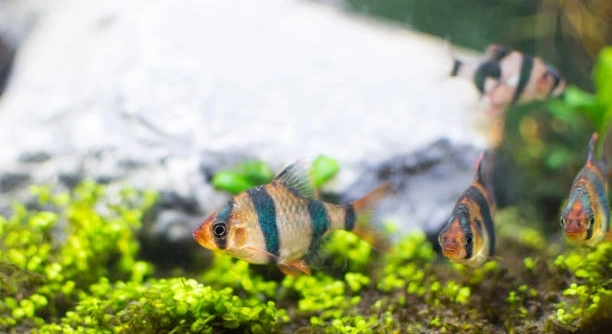
Are your tiger barbs becoming the stars of your aquarium, darting around with energy while their tankmates seem to lag behind? This change in behavior can make you wonder if they’re simply outgrowing their aquatic companions.
Tiger barbs can outgrow their tankmates in both size and activity level. Their fast growth, bold nature, and semi-aggressive behavior can create an imbalance, especially when housed with smaller, slower, or more passive fish species.
Understanding how tiger barbs interact with other fish can help you create a peaceful and balanced tank environment for everyone.
Why Tiger Barbs Grow Faster Than Some Tankmates
Tiger barbs are known for their rapid growth, especially in well-maintained tanks with balanced diets and stable water conditions. They can reach up to three inches in just a few months. Their active nature and constant movement also contribute to faster metabolism and increased food intake compared to slower species. This difference becomes noticeable over time as other fish grow at a steadier pace. Fish like neon tetras or guppies may struggle to compete for food, leading to a growth gap. Even if they were similar in size initially, tiger barbs often take the lead quickly. This creates a situation where their presence can become overwhelming for smaller or more passive tankmates. Observing how they dominate feeding time and claim space shows how their growth affects the tank’s balance. It’s not always about size alone—it’s also about how their behavior influences the rest of the community.
Smaller fish may not be able to access food efficiently when housed with faster-growing barbs.
This mismatch in feeding habits and activity levels can lead to nutritional deficiencies in slower fish. It also creates a stressful environment, reducing overall health and longevity.
The Impact of Growth on Tank Dynamics
Tiger barbs can unintentionally cause stress to smaller or slower tankmates as they grow and become more dominant in the tank.
As tiger barbs grow, their natural behavior becomes more pronounced. They tend to be fin-nippers, especially when they feel bored or crowded. This behavior may not be aggressive in intent, but it can lead to injury and stress in other fish. Passive tankmates like angelfish, bettas, or gouramis are particularly vulnerable. Their long fins and slow movements make them easy targets for an energetic shoal of tiger barbs. As a result, they may spend more time hiding or avoiding the more active areas of the tank. Over time, this stress impacts their immune systems, leaving them more prone to illness. In some cases, smaller fish may be outcompeted entirely and start to waste away due to lack of proper nutrition and constant anxiety. The imbalance created by the rapid growth and activity of tiger barbs can shift the tank from a peaceful community setup to one of ongoing tension.
Choosing the Right Tankmates for Tiger Barbs
Tankmates should be able to match the tiger barb’s energy and size. Peaceful but active mid-size fish like zebra danios, cherry barbs, and certain types of rasboras are usually better suited for living alongside them.
Zebra danios are especially compatible due to their quick movements and similar size. They aren’t easily intimidated and can handle the lively presence of tiger barbs. Cherry barbs, although slightly more peaceful, also work well when kept in a group. Avoid slow-moving or long-finned species, as these often become targets. Gouramis, angelfish, and bettas tend to become stressed or injured in these mixed environments. Another safe choice is the yoyo loach, which is active enough to keep up while staying mostly out of the way. Selecting fish that can either school together or keep their distance helps maintain peace in the tank while preventing unnecessary stress or competition.
Tank size also plays a role in compatibility. A tank that’s too small encourages territorial behavior and increases tension.
A larger tank, ideally 30 gallons or more, allows all species to establish their own zones and escape routes. The extra space reduces aggression, helps improve water quality, and creates a more balanced setup overall.
Creating a Balanced Environment
A well-structured tank reduces the chance of conflict between tiger barbs and their tankmates. Use decor to break lines of sight and include plants, rocks, and driftwood to offer shelter and rest areas for smaller fish.
Maintaining a stable environment also helps reduce stress for all species. Keep the water temperature between 74–78°F, with a slightly acidic to neutral pH. Feeding multiple times a day in small amounts ensures all fish get their share and helps prevent tiger barbs from dominating mealtime. Feeding at both ends of the tank can also help distribute attention. Always keep tiger barbs in groups of at least six to reduce their tendency to nip at others. A larger shoal spreads their energy among themselves and limits harassment of other species. Routine water changes and proper filtration also support healthy growth and behavior. A structured, well-maintained tank with compatible species gives all fish a better chance to thrive together peacefully.
Monitoring Growth and Behavior Over Time
Regularly check the size and behavior of all fish in the tank. If tiger barbs are growing much faster than others, it may be time to reassess your setup. Consistent observation helps prevent long-term stress and imbalances.
Look for signs like hiding, missing fins, or uneven feeding patterns. These often indicate stress or bullying. Adjust tank conditions, decor, or even tankmates as needed to maintain a stable and healthy environment for all fish.
When Separation Becomes Necessary
In some cases, separating tiger barbs from their tankmates is the best solution. If smaller or slower fish are clearly struggling—showing signs of stress, weight loss, or injury—it’s safer to move them to a different tank. Likewise, if tiger barbs are becoming too dominant despite proper care and tank size, relocating them to a species-only tank can help restore balance. This doesn’t mean you’ve failed—it simply means the original mix wasn’t sustainable long-term. Matching species by size, speed, and temperament is always a process, and sometimes adjustments are necessary to support the health and comfort of every fish in the tank.
Final Thoughts on Compatibility
Tiger barbs can thrive in a community tank, but their growth and energy often shift the balance. Planning and regular monitoring are key.
Can tiger barbs outgrow their tankmates?
Yes, tiger barbs can outgrow their tankmates both in size and activity level. They grow quickly, often reaching about three inches in a few months, and their bold, active nature means they may dominate smaller or slower fish. This growth can upset the balance in community tanks.
What problems arise when tiger barbs outgrow other fish?
When tiger barbs become larger and more aggressive, they can stress smaller or more passive fish. This often results in fin-nipping, competition for food, and constant chasing. Smaller fish may hide more, eat less, or even get injured, which impacts their health and longevity.
Which fish are best tankmates for tiger barbs?
The best tankmates are mid-sized, active species that can keep up with tiger barbs’ energy. Examples include zebra danios, cherry barbs, and certain rasboras. These fish are neither too slow nor too aggressive, which helps maintain harmony in the tank.
Are slow-moving or long-finned fish a good match?
No, slow-moving or long-finned fish like angelfish, bettas, and gouramis tend to be stressed or harassed by tiger barbs. Their fins are easy targets for nipping, and their slower pace makes it harder to compete for food and space.
How large should the tank be for tiger barbs and their tankmates?
A tank of at least 30 gallons is recommended. Larger tanks provide enough space for fish to establish their territories and escape from aggressive behavior. Crowded or small tanks increase stress and make aggressive tendencies worse.
What tank setup helps reduce aggression?
Include plenty of hiding spots using plants, rocks, and driftwood. These break lines of sight and give smaller or shy fish places to retreat. Maintaining stable water conditions and feeding multiple times a day in small amounts also helps reduce competition.
How many tiger barbs should be kept together?
Keeping tiger barbs in groups of six or more is best. A larger shoal spreads out their energy and aggression, reducing the likelihood of them bullying other fish. Smaller groups tend to be more aggressive toward tankmates.
What signs indicate that tankmates are stressed?
Look for excessive hiding, torn fins, loss of appetite, or weight loss in other fish. These are clear signs that tiger barbs may be too dominant or aggressive, and tank conditions need adjustment.
When is it necessary to separate tiger barbs from other fish?
If smaller fish are constantly stressed, injured, or losing weight despite efforts to improve the tank environment, separating the species is necessary. It protects the health of all fish and prevents further harm.
How can feeding routines improve tank harmony?
Feeding small amounts several times a day, and distributing food at different spots in the tank, helps ensure all fish get enough to eat. This reduces competition and aggressive behavior around feeding time.
Do tiger barbs need any special care to grow healthily?
A balanced diet with high-quality flake, pellet foods, and occasional live or frozen treats supports their rapid growth. Stable water parameters and regular tank maintenance are also important for healthy development.
Can tiger barbs coexist peacefully long term?
With the right tankmates, adequate space, and a well-structured environment, tiger barbs can coexist peacefully. However, their natural behavior means monitoring and adjustments will often be necessary to maintain balance.
What should be done if fin-nipping becomes a problem?
Increase hiding places, keep a larger group of tiger barbs, and avoid long-finned or slow fish. If problems persist, separating aggressive individuals or rehoming some fish may be required.
Are there any benefits to keeping tiger barbs in a community tank?
Tiger barbs add movement and color, making the tank lively. Their activity can encourage other fish to be more active as well. When chosen carefully, community tanks with tiger barbs can be visually interesting and dynamic.
What role does water quality play in fish behavior?
Poor water quality increases stress and aggression in all fish. Maintaining clean water through regular changes and proper filtration keeps fish healthier and less prone to aggressive or erratic behavior.
Is it normal for tiger barbs to nip fins?
Yes, fin-nipping is a natural behavior, especially in small groups or when bored. Keeping them in larger groups and providing stimulation reduces this tendency.
How often should tank conditions be monitored?
Water parameters like temperature, pH, ammonia, nitrite, and nitrate levels should be checked weekly. Fish behavior should be observed daily to catch early signs of stress or imbalance.
Can tiger barbs be kept with shrimp or snails?
Tiger barbs may nip or eat small shrimp, so they are generally not good tankmates for delicate invertebrates. Snails with hard shells are safer but still might be harassed.
What is the best diet for tiger barbs?
A varied diet including high-quality flakes, pellets, and occasional live or frozen foods like bloodworms or brine shrimp supports growth and health.
Do tiger barbs require a heater?
Yes, they thrive in tropical temperatures between 74 and 78°F. A heater helps maintain stable water temperature, which is important for their health and growth.
How fast do tiger barbs grow?
They can reach full size, about three inches, within six months under good conditions. Growth speed depends on diet, water quality, and tank environment.
What can trigger aggression in tiger barbs?
Overcrowding, boredom, and poor water quality often increase aggression. Providing enough space, hiding spots, and a proper group size can help keep behavior in check.
Are tiger barbs good for beginners?
They can be, but their active nature and fin-nipping behavior mean beginners should plan carefully. They require regular maintenance and compatible tankmates for a healthy setup.
How to introduce tiger barbs to a new tank?
Acclimate slowly to avoid stress. Introduce them alongside compatible species and monitor interactions closely in the first few weeks to ensure harmony.
What happens if tankmates are injured by tiger barbs?
Injuries increase the risk of infections and stress. Treat damaged fish promptly and adjust tank conditions or species combinations to prevent future harm.
Can tiger barbs live in a species-only tank?
Yes, they do well in groups alone. This eliminates compatibility issues and allows their natural behavior to be expressed freely.
Tiger barbs are lively and fast-growing fish that bring energy to any aquarium. Their growth rate and active nature mean they often become larger and more dominant than many common tankmates. This can create challenges in maintaining a peaceful community tank, especially when they live alongside smaller or slower species. It is important to understand these differences early on to prevent stress and imbalance in the tank. Careful planning of tank size, environment, and species choice can help reduce problems caused by uneven growth and behavior.
Creating a balanced environment is key to keeping tiger barbs and their tankmates healthy and happy. Providing plenty of hiding spaces and breaking up open areas in the tank can help reduce aggression and give more timid fish places to retreat. Keeping tiger barbs in groups of six or more spreads out their natural energy and reduces their tendency to nip fins or chase other fish. Feeding multiple times a day in small amounts and distributing food across the tank helps ensure all fish get enough to eat. Regular water changes and proper filtration maintain good water quality, which supports the overall health and reduces stress for all fish. A well-maintained tank with compatible fish species will be a calmer and more enjoyable environment.
Despite these steps, there will be times when adjustments are necessary. If smaller or slower fish show signs of stress, injury, or poor growth, separating them from tiger barbs may be the best option. This helps protect the health of all fish and prevents ongoing problems. Matching fish by size, activity level, and temperament is not always simple, and sometimes trial and error is required. Paying close attention to the behavior and condition of all tank inhabitants will guide decisions for changes. With patience and care, tiger barbs can live comfortably with the right tankmates, and a peaceful balance can be achieved in a community aquarium.

Hello,
If you enjoy the content that we create, please consider saying a "Thank You!" by leaving a tip.
Every little bit helps us continue crafting quality advice that supports the health, happiness, and well-being of pets around the world, for pets of all shapes, sizes, and species.
We really appreciate the kindness and support that you show us!