
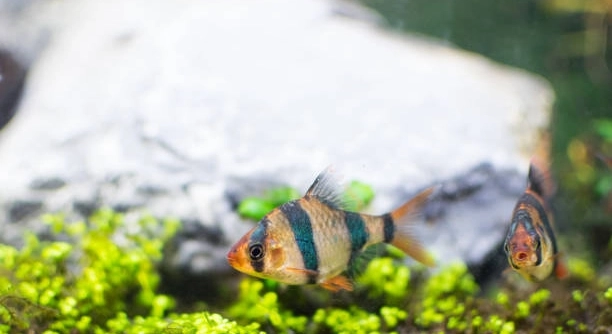
Tiger barbs are popular aquarium fish known for their vibrant colors and active behavior. Many fishkeepers start with a 10-gallon tank when introducing these lively fish into their home aquariums. Understanding the needs of tiger barbs is important for their well-being and growth.
Tiger barbs can outgrow a 10-gallon tank as they grow quickly and require ample space for swimming and social interaction. A 10-gallon tank is often insufficient to support a healthy adult group, which can lead to stress and aggression.
Proper tank size affects the health and happiness of tiger barbs. This article will guide you on managing their space requirements as they grow.
How Tiger Barbs Grow in a 10-Gallon Tank
Tiger barbs grow quickly, often reaching about 2 to 3 inches in length within their first year. In a 10-gallon tank, space is limited, which can affect their growth and behavior. These fish are active swimmers and need room to move freely. When confined to a small tank, they may become stressed or aggressive toward each other. Additionally, water quality can decline faster in smaller tanks, which is harmful to their health. Overcrowding in a 10-gallon tank also makes it difficult to maintain stable water conditions, leading to poor fish health. While young tiger barbs may seem fine initially, as they grow, their space needs increase significantly. Keeping them in a small tank without enough room can stunt their growth and reduce their lifespan.
Small tanks require more frequent maintenance to keep water quality high and fish healthy.
Monitoring your tiger barbs’ behavior and growth can help decide when it’s time to upgrade their tank size. Providing enough space supports their natural activity and social needs, preventing health problems and stress. An adequately sized tank also allows for a more balanced aquatic environment with stable water parameters. When tiger barbs are comfortable, they display their best colors and more natural behavior, making the aquarium more enjoyable to watch.
Signs That Your Tiger Barbs Need a Bigger Tank
Crowded swimming areas and increased aggression are clear signs that your tiger barbs need more space.
When tiger barbs outgrow a 10-gallon tank, several noticeable signs appear. They may start nipping at each other more often, showing aggression due to lack of territory. Their colors may fade, indicating stress or poor health. You might see them hiding more frequently or swimming erratically. Overcrowding also leads to increased waste production, which strains the filtration system and impacts water quality. These conditions can cause diseases and shorten their lifespan. If you notice rapid breathing or lethargy, it may be time to consider upgrading the tank. Observing these changes early allows you to improve their living conditions before problems worsen, ensuring your fish stay healthy and active.
Upgrading to a larger tank helps reduce stress and creates a healthier environment for your tiger barbs to thrive.
Tank Size Recommendations for Tiger Barbs
A 20-gallon tank is often recommended for a small group of tiger barbs. This size provides enough space for swimming and socializing without causing overcrowding.
A 20-gallon tank offers better water stability compared to a 10-gallon. The larger volume reduces waste concentration, making it easier to maintain clean water. Tiger barbs thrive in groups of six or more, so more space helps reduce aggression. A bigger tank allows them to swim actively, which supports their health and natural behavior. It also gives room to add plants or decorations that create hiding spots and enrich their environment. This setup balances their need for space and social interaction effectively.
For larger groups or if you want to keep other species with tiger barbs, consider even bigger tanks. A 30-gallon or larger tank can accommodate mixed communities and reduce territorial conflicts. Proper filtration and regular water changes remain essential regardless of tank size to maintain optimal water quality.
How to Manage Growth in Smaller Tanks
When limited to a 10-gallon tank, keeping fewer tiger barbs can help manage space issues. Maintaining only three or four can reduce overcrowding but may affect social behavior since they prefer groups.
Regular water testing and frequent water changes are critical in smaller tanks to prevent toxins from building up. Using a powerful filter helps maintain water clarity and quality. Adding plants and decorations creates territories, which can reduce aggression. Monitor your fish closely for signs of stress or illness and be prepared to upgrade their tank if growth or behavior indicates the need. Limiting feeding to appropriate amounts prevents excess waste. These practices help maintain a healthier environment for tiger barbs, even in smaller tanks.
Feeding Tiger Barbs in a 10-Gallon Tank
Feeding tiger barbs properly is important to prevent water pollution in a small tank. Overfeeding leads to excess waste and poor water quality.
A balanced diet with high-quality flakes, pellets, and occasional live or frozen foods supports healthy growth. Feed only what they can consume in a few minutes to avoid leftovers.
Behavior Changes Due to Tank Size
Smaller tanks can increase stress and aggression in tiger barbs. Limited space means less territory, leading to more nipping and chasing.
Signs of Stress in Tiger Barbs
Common stress signs include faded color, hiding, and erratic swimming. Stress weakens their immune system, making them vulnerable to illness.
When to Upgrade Your Tank
If stress signs persist or fish outgrow the tank, upgrading to a larger aquarium is necessary for their well-being.
FAQ
Can tiger barbs live happily in a 10-gallon tank?
Tiger barbs can survive in a 10-gallon tank for a short time, especially when they are young and small. However, as they grow, this space becomes restrictive. The limited swimming room and potential overcrowding can increase stress and aggression, affecting their overall health and happiness.
How many tiger barbs can I keep in a 10-gallon tank?
A 10-gallon tank is best suited for only two or three tiger barbs, but even this number is tight. They are schooling fish, so keeping fewer than six may cause them to become stressed or aggressive. Ideally, a bigger tank is recommended to maintain a proper group size.
What size tank is ideal for adult tiger barbs?
Adult tiger barbs thrive in tanks of at least 20 gallons. This size allows them to swim freely, establish territories, and maintain better water quality. For groups larger than six or a community tank, 30 gallons or more is even better.
What happens if tiger barbs are kept in a tank that’s too small?
Keeping tiger barbs in a small tank can lead to stunted growth, increased aggression, and weakened immune systems. Poor water quality from overcrowding stresses the fish, making them vulnerable to diseases and shortening their lifespan.
How often should I change water in a 10-gallon tank with tiger barbs?
Frequent water changes are necessary—typically 25-30% of the water once a week. Smaller tanks accumulate waste quickly, so maintaining water quality is critical to avoid toxic buildup that harms the fish.
Can I keep other fish with tiger barbs in a 10-gallon tank?
It’s not recommended to mix species in a 10-gallon tank with tiger barbs because of space limits. Tiger barbs can be nippy, and small tanks don’t provide enough room to avoid conflicts. If you want a community tank, a larger aquarium is better.
What type of filter works best for a 10-gallon tank with tiger barbs?
A high-quality filter with strong but gentle flow is ideal. It should handle the tank’s volume efficiently and keep water clean without creating strong currents that stress the fish. Regular maintenance of the filter is essential.
How do I reduce aggression among tiger barbs in a small tank?
Keeping an even number of tiger barbs, providing hiding spots with plants or decorations, and maintaining good water quality helps reduce aggression. However, aggression may still increase if space is tight, so upgrading the tank is often necessary.
Do tiger barbs require special care in smaller tanks?
Yes, smaller tanks demand closer monitoring. Regular water testing, careful feeding, and frequent maintenance are vital to keep the environment safe. It’s important to watch for signs of stress and be ready to adjust care or tank size accordingly.
What’s the best diet for tiger barbs to keep them healthy in a 10-gallon tank?
A varied diet of high-quality flakes or pellets, supplemented with live or frozen foods like bloodworms or brine shrimp, promotes good health. Feeding small amounts twice daily and removing uneaten food helps maintain water quality.
How fast do tiger barbs grow?
Tiger barbs grow quickly, reaching around 2 to 3 inches within their first year. This rapid growth means a small tank will quickly become inadequate, emphasizing the need for planning tank size ahead.
Can tiger barbs live long in a 10-gallon tank?
Their lifespan may be shorter in a small tank due to stress and water quality issues. Proper care can help, but upgrading to a larger tank significantly improves their chances of living longer, healthier lives.
Is it possible to slow down the growth of tiger barbs to fit a smaller tank?
Slowing growth by underfeeding or poor conditions is harmful and not recommended. It leads to health problems and stress. Providing proper nutrition and enough space is the best way to ensure healthy development.
How can I tell when it’s time to upgrade the tank?
If your tiger barbs show aggression, stress signs, or if their size feels cramped, it’s time to consider a bigger tank. Also, if water quality deteriorates quickly despite regular maintenance, more space is needed to maintain balance.
Tiger barbs are lively fish that bring color and activity to any aquarium. When starting with a 10-gallon tank, they may seem like a good fit, especially when they are young and small. However, these fish grow quickly and need enough space to swim and interact with each other. A tank that is too small can limit their growth and lead to stress or aggression. It is important to consider their long-term needs when choosing a tank size, not just their current size. Providing the right environment helps tiger barbs stay healthy and display their best colors and behavior.
Maintaining good water quality is especially challenging in smaller tanks. Because a 10-gallon tank holds less water, waste and toxins build up faster than in larger tanks. This means more frequent water changes and careful monitoring are needed to keep the water safe for the fish. Overfeeding or overcrowding can quickly cause poor water conditions, which negatively affect tiger barbs’ health. If keeping tiger barbs in a small tank, it is important to feed them properly, avoid overstocking, and maintain regular cleaning routines. These steps help reduce stress and prevent common health problems.
Upgrading to a larger tank is often the best choice as tiger barbs grow. A 20-gallon tank or larger offers more space to swim, explore, and form natural social groups. It also helps keep water quality stable and reduces aggressive behaviors. Watching for signs of stress or overcrowding in a smaller tank can guide when to move to a bigger aquarium. Overall, providing enough space and proper care supports the long-term well-being of tiger barbs. Taking these factors into account helps create a healthier and more enjoyable aquarium environment for both the fish and the keeper.

Hello,
If you enjoy the content that we create, please consider saying a "Thank You!" by leaving a tip.
Every little bit helps us continue crafting quality advice that supports the health, happiness, and well-being of pets around the world, for pets of all shapes, sizes, and species.
We really appreciate the kindness and support that you show us!