
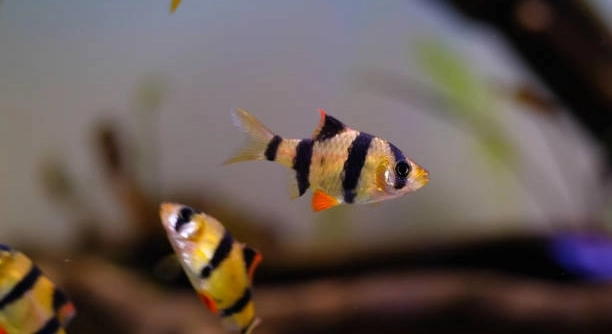
Tiger barbs are colorful and active fish popular in home aquariums. Many fishkeepers enjoy combining different species to create a lively tank environment. Snails are often added for their cleaning role and peaceful nature.
Tiger barbs can live with snails peacefully if the tank is properly maintained and snails are not small enough to be seen as food. Tiger barbs show minimal aggression toward adult snails, making coexistence possible in most setups.
Understanding how to balance tank mates can improve your aquarium’s harmony. This article explains the key points to ensure both tiger barbs and snails thrive together.
Tiger Barbs’ Behavior Toward Snails
Tiger barbs are known for their energetic and sometimes nippy behavior. They swim actively and often nip at slow-moving tank mates. However, adult snails are usually too large or well-protected for tiger barbs to bother much. The hard shells of snails act as natural armor, discouraging attacks. In some cases, young or small snails might attract attention, but this is less common in a well-stocked tank. Keeping the fish well-fed and providing plenty of hiding spots for snails can reduce any stress or aggression. Tiger barbs prefer to focus their energy on other fish rather than snails, which helps maintain peace in the aquarium.
Proper tank size also plays a role in minimizing conflict. A cramped environment can increase stress and aggression, so giving tiger barbs enough room to swim freely helps them stay calmer around snails.
Maintaining a balanced aquarium setup benefits both tiger barbs and snails. Ensuring hiding places and adequate food will support peaceful coexistence.
Tank Setup for Coexistence
A tank with hiding spots like plants, rocks, or decorations helps snails avoid unwanted attention. Tiger barbs prefer open swimming areas, so separating their space from snail shelters reduces encounters. Good water quality and regular maintenance keep both species healthy and less stressed. Avoid overcrowding to limit competition and aggression. Feeding the fish adequately prevents them from targeting snails for food.
A well-planned tank environment encourages harmony between tiger barbs and snails by addressing their different needs.
Feeding and Diet Considerations
Tiger barbs are omnivores and need a diet with both plant and animal matter. They enjoy flakes, pellets, and occasional live or frozen foods like brine shrimp or bloodworms. Snails primarily feed on algae and leftover food, so feeding tiger barbs well can help keep their attention off the snails. Overfeeding should be avoided to prevent water quality issues that could harm both species.
Because snails clean algae and debris, they also contribute to the tank’s health. Feeding both species appropriately ensures they coexist peacefully. Monitoring their diet and tank cleanliness is key to maintaining a balanced aquatic environment.
Regularly checking on fish behavior and snail health will help catch any early signs of conflict or stress. Taking quick action can keep your tank peaceful and thriving.
Potential Risks of Keeping Tiger Barbs With Snails
Tiger barbs may nip at snail antennae or soft parts when they feel curious or bored. This behavior can stress snails but rarely causes serious harm. In crowded tanks, aggression may increase, leading to more frequent harassment.
If tank conditions are poor, stress can make tiger barbs more aggressive toward snails. Snails with damaged shells or weak health are more vulnerable. Monitoring behavior closely helps identify any issues early. Removing overly aggressive fish or providing more hiding spots reduces risk. Keeping a balanced environment supports safer coexistence for both species.
Sometimes, smaller snail species may be mistaken for food by tiger barbs, especially juveniles. Choosing larger or tougher snail species decreases chances of attacks. Maintaining good feeding habits for the fish also reduces unwanted nibbling on snails.
Choosing the Right Snails for Tiger Barb Tanks
Larger snail species like mystery snails or apple snails generally do well with tiger barbs. Their thick shells provide protection against nipping. Nerite snails also work well because they are small but fast and have hard shells. Avoid tiny or soft-bodied snails, as these are more likely to become targets.
It’s important to select snails that match the tank’s size and water conditions. Proper water parameters benefit both snails and tiger barbs, helping them thrive together. Regularly cleaning the tank and feeding both species properly keeps the environment healthy. When selecting snails, consider their temperament and compatibility with active fish like tiger barbs to ensure a peaceful aquarium community.
Signs That Tiger Barbs Are Stressing Snails
Snails may retreat into their shells more often when stressed by tiger barbs. They might also stop moving or feeding as usual. Look for damaged shells or missing antennae, which indicate nibbling or aggression from fish.
If snails show these signs, increasing hiding places and checking fish behavior can help reduce stress.
How to Protect Snails in a Tiger Barb Tank
Providing plenty of plants, rocks, and decorations offers snails safe spots to hide. Feeding tiger barbs regularly lowers their interest in snails as food. Avoid overcrowding to keep stress and aggression minimal. Regular observation helps catch problems before they escalate.
Water Quality Importance for Snails and Tiger Barbs
Both tiger barbs and snails need clean, well-oxygenated water to stay healthy. Poor water quality can weaken snails’ shells and stress fish, increasing aggression. Regular water changes, proper filtration, and monitoring parameters like pH and ammonia help maintain balance. Stable conditions support peaceful tank life for all inhabitants.
Monitoring Tank Behavior Regularly
Watching interactions daily allows quick response to any aggression or stress. Early action prevents injuries and maintains harmony.
Can tiger barbs and snails live together peacefully?
Yes, tiger barbs and snails can live together peacefully if the tank is properly maintained. Tiger barbs may nip occasionally, but adult snails’ hard shells protect them from harm. Providing enough space, hiding spots, and a balanced diet helps reduce aggression and stress, promoting coexistence.
What types of snails are best for a tank with tiger barbs?
Larger snails like mystery snails, apple snails, and nerite snails are best suited for tanks with tiger barbs. These snails have tough shells that deter nipping and can handle the active nature of tiger barbs. Avoid tiny or soft-bodied snails that may be mistaken for food.
Why do tiger barbs nip at snails?
Tiger barbs are naturally curious and somewhat nippy fish. They may nip at snails out of curiosity or boredom, especially if the tank is overcrowded or they lack proper stimulation. Nipping usually targets snail antennae or soft parts, not the shell, and rarely causes serious injury if conditions are good.
How can I reduce aggression from tiger barbs toward snails?
To reduce aggression, feed tiger barbs well so they don’t search for extra food. Add plenty of hiding places like plants and decorations to give snails safe spots. Avoid overcrowding and maintain good water quality. Observing your fish regularly helps catch aggressive behavior early.
Can tiger barbs eat small snails?
Yes, small or baby snails might be at risk of being eaten by tiger barbs. Juvenile snails are easier targets because their shells are softer or still developing. To avoid losses, select larger snail species or provide plenty of cover so small snails can hide.
Do snails benefit tiger barb tanks?
Snails help by eating algae and leftover food, which improves water quality and cleanliness. This can reduce stress for tiger barbs and keep the tank environment healthier overall. Snails are low-maintenance and contribute to the balance of the aquarium ecosystem.
How important is tank size for keeping tiger barbs with snails?
Tank size is very important. A spacious tank gives tiger barbs enough room to swim actively without constantly bothering snails. Overcrowding can lead to stress and increase aggressive behavior. For a community with tiger barbs and snails, a tank of at least 20 gallons is recommended.
What water conditions do tiger barbs and snails need?
Both species prefer clean, well-oxygenated water with a stable temperature between 74°F and 79°F (23°C to 26°C). pH should be neutral to slightly acidic, around 6.5 to 7.5. Regular water changes and filtration keep the environment healthy and reduce stress, which helps maintain peaceful interactions.
How often should I check on my snails and tiger barbs?
Daily observation is best to catch any signs of aggression or stress early. Watch for changes in snail behavior, such as hiding more than usual or damaged shells. Notice if tiger barbs are nipping excessively or acting restless. Quick adjustments can prevent problems from escalating.
What should I do if tiger barbs are too aggressive?
If aggression becomes a problem, increase hiding places and feed the fish more frequently. Consider reducing the number of tiger barbs or separating aggressive individuals. Improving water quality and tank conditions often lowers stress, which helps calm aggressive behavior.
Can snails reproduce in a tank with tiger barbs?
Yes, snails can reproduce if conditions are right, even with tiger barbs present. Some snail species lay eggs on tank surfaces. If baby snails survive, their numbers can grow. Be aware that tiger barbs may eat small snails, which naturally controls population growth.
Are there any signs that indicate snails are unhealthy due to fish stress?
Signs include damaged or chipped shells, missing antennae, slow movement, and reduced feeding. Stressed snails may hide inside their shells for long periods. If these symptoms appear, improving tank conditions and reducing fish aggression are necessary steps.
How does feeding schedule affect fish and snail harmony?
Regular feeding keeps tiger barbs satisfied and less likely to nip at snails for food. Overfeeding should be avoided, as leftover food can pollute the tank. Feeding snails algae wafers or vegetables separately ensures they get enough nutrition without competing with fish.
Is it necessary to quarantine snails before adding them to a tiger barb tank?
Yes, quarantining new snails helps prevent introducing diseases or parasites into the tank. It also gives you time to observe their behavior and health. A quarantine period of two weeks is usually recommended before adding snails to a community aquarium.
Can tank decorations affect the relationship between tiger barbs and snails?
Yes, decorations like plants, caves, and rocks provide shelter and reduce encounters. This separation lowers stress for snails and reduces the chance of nipping. A well-decorated tank supports a peaceful environment and helps each species feel secure in its space.
Tiger barbs and snails can share the same aquarium without major problems when the right care is given. Understanding the natural behavior of tiger barbs helps a lot in keeping peace. These fish are active and sometimes nippy, but they rarely harm adult snails thanks to the snails’ protective shells. Providing enough space and hiding places reduces stress for both animals and lowers the chances of aggressive encounters. Maintaining clean water and feeding the fish properly are also important factors. When these basic needs are met, tiger barbs and snails can live together comfortably in most home tanks.
Choosing the right snail species makes a difference too. Larger snails with hard shells, like mystery snails or nerite snails, tend to do better with tiger barbs. Smaller or softer snails may be at risk because tiger barbs might nip at them more. Watching your aquarium daily is helpful for spotting early signs of trouble. If you notice snails hiding excessively or showing damaged shells, it could be a sign of stress or aggression. Adding more plants and decorations gives snails safe spots to retreat, which helps create a balanced and calm environment. Simple adjustments like these can improve the experience for both tiger barbs and snails.
It’s important to keep the tank conditions stable. Good water quality, appropriate temperature, and proper feeding routines keep all tank inhabitants healthy. Stress from poor water or overcrowding can increase aggression in tiger barbs, which then affects the snails. Taking time to observe and maintain the aquarium regularly ensures long-term harmony. With the right setup and care, tiger barbs and snails can live together peacefully, making the tank more interesting and easier to maintain. This coexistence allows you to enjoy the benefits of both lively fish and helpful, low-maintenance snails in the same home.

Hello,
If you enjoy the content that we create, please consider saying a "Thank You!" by leaving a tip.
Every little bit helps us continue crafting quality advice that supports the health, happiness, and well-being of pets around the world, for pets of all shapes, sizes, and species.
We really appreciate the kindness and support that you show us!