
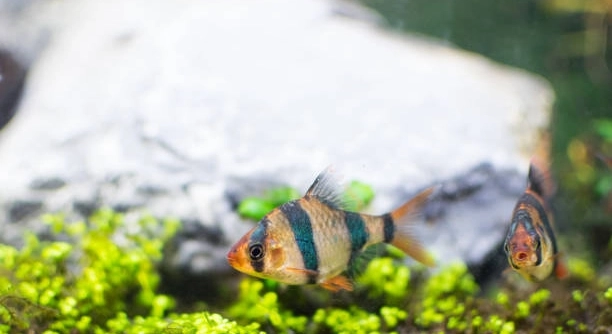
Tiger barbs and gouramis are popular choices for home aquariums. Many fishkeepers wonder if these species can share the same tank peacefully. Both fish have distinct behaviors that influence their compatibility.
Tiger barbs can live with gouramis, but caution is necessary. Tiger barbs are active and sometimes nippy, which may stress gouramis. Proper tank size, hiding spaces, and monitoring behavior are essential to maintain harmony between these species.
Understanding their temperaments and habitat needs helps create a balanced environment. Careful planning ensures both fish thrive together in your aquarium.
Understanding Tiger Barb Behavior
Tiger barbs are known for their energetic and sometimes aggressive nature. They swim quickly and often nip at the fins of slower fish. This behavior can stress more peaceful tank mates, including gouramis. Because tiger barbs are schooling fish, it’s best to keep them in groups of six or more. This helps reduce their aggressive tendencies by spreading out their energy. Their activity level means they need plenty of swimming space and hiding spots in the tank. Gouramis, being calmer and slower, may feel threatened if the tank is too small or lacks enough places to retreat. Tank decorations like plants and caves create safe areas for gouramis to hide and rest. Regular observation of the fish helps catch early signs of stress or bullying, allowing you to adjust the tank setup or fish grouping as needed.
Choosing the right environment is key to minimizing conflicts. A balanced setup supports both species comfortably.
Taking care to balance the tank’s layout and fish numbers will help keep the peace between tiger barbs and gouramis.
Water Conditions and Tank Setup
Maintaining stable water conditions is essential for both tiger barbs and gouramis. Both species prefer slightly acidic to neutral pH, generally between 6.0 and 7.5. The water temperature should be kept between 74°F and 79°F (23°C to 26°C) to accommodate their needs. Regular water changes and good filtration are important since both fish produce moderate waste. Tiger barbs are more active swimmers and might prefer a slightly stronger water flow, while gouramis appreciate calmer areas. Providing zones with varied water movement helps satisfy both species. The tank should be at least 30 gallons to give them enough space. Dense plant growth and decorations also help gouramis feel secure and reduce stress. When these conditions are met, the chances of peaceful coexistence rise significantly.
Good water quality supports healthy fish behavior and longevity. A well-maintained tank reduces stress and aggression between species.
Proper temperature, pH, and tank size create a comfortable space where both tiger barbs and gouramis can thrive together.
Feeding Tiger Barbs and Gouramis Together
Both tiger barbs and gouramis eat similar foods, but their feeding habits differ. Tiger barbs are more aggressive feeders, while gouramis tend to be slower and more deliberate when eating.
Providing a varied diet that includes flakes, pellets, and live or frozen foods like bloodworms ensures balanced nutrition for both species. Feeding in multiple spots around the tank helps prevent the faster tiger barbs from dominating all the food. Observing mealtime behavior can show if the gouramis are getting enough to eat. Adjusting feeding routines or providing extra food for gouramis may be necessary to keep them healthy. This approach helps reduce competition and keeps both fish satisfied.
Feeding together requires patience and attention, but it can be managed well with the right strategy.
Signs of Stress and Aggression to Watch For
Stress and aggression can quickly become a problem if tiger barbs nip too much or gouramis hide excessively. Watch for torn fins, faded colors, or unusual hiding as signs of stress. Aggressive chasing or constant fin nipping indicates tension. Early detection allows for quick action, such as rearranging tank decorations or separating fish if needed. Regularly checking water quality and fish behavior helps prevent problems from escalating. Recognizing these signs is important to maintain a peaceful aquarium and protect the health of both species.
Ideal Tank Mates for Tiger Barbs and Gouramis
Choosing tank mates that match the energy levels of both tiger barbs and gouramis helps keep harmony. Avoid very slow or long-finned fish that may become targets for nipping.
Peaceful but active species like danios or certain tetras can fit well in a mixed community tank with these fish.
Breeding Considerations
Breeding gouramis requires quiet, low-stress conditions, which can be disrupted by active tiger barbs. Separate breeding tanks are often needed to ensure successful spawning and fry survival.
Keeping breeding pairs apart from tiger barbs helps prevent damage to eggs or young fish.
Tank Size Recommendations
A minimum tank size of 30 gallons is recommended to provide enough space for both species to swim freely and establish territories without stress.
Providing ample room reduces aggression and promotes healthier interactions.
Importance of Hiding Places
Hiding spots help gouramis escape when feeling threatened. Plants, caves, and decorations create safe zones that reduce stress and aggression from tiger barbs.
FAQ
Can tiger barbs and gouramis live peacefully together?
Yes, tiger barbs and gouramis can live together if the tank is large enough and well-decorated. Tiger barbs are active and sometimes nip, so it’s important to provide plenty of hiding spots and keep tiger barbs in groups to reduce aggression. Careful monitoring helps keep peace.
What tank size is best for both species?
A tank of at least 30 gallons is recommended. This size allows enough swimming space and room for hiding places. It also helps prevent overcrowding and stress, which can cause aggression.
How many tiger barbs should be kept together?
Keeping tiger barbs in groups of six or more reduces their aggressive behavior. They tend to focus on each other rather than other fish when in a larger school.
Do tiger barbs nip at gouramis often?
Tiger barbs can nip at gouramis, especially their fins. This happens more in small or poorly arranged tanks. Proper tank size and decorations help lower this behavior.
What water parameters do both fish prefer?
Both tiger barbs and gouramis thrive in slightly acidic to neutral pH between 6.0 and 7.5. The ideal temperature range is 74°F to 79°F (23°C to 26°C). Stable water quality is crucial.
What should I feed them when housed together?
A varied diet works best. Use high-quality flakes, pellets, and live or frozen foods like bloodworms. Feed in several locations to ensure gouramis get enough food without competition from tiger barbs.
Can tiger barbs and gouramis breed in the same tank?
Breeding gouramis in the same tank as tiger barbs is not recommended. Tiger barbs may stress the gouramis and harm eggs or fry. Use a separate breeding tank for best results.
What signs show that my gouramis are stressed by tiger barbs?
Look for faded colors, torn fins, excessive hiding, and reduced appetite. Stress signs mean the tank conditions or fish grouping need adjustment.
How do I reduce aggression in the tank?
Keep tiger barbs in larger groups, provide ample hiding spots, maintain good water quality, and ensure the tank is large enough. Rearranging decorations can also disrupt established territories.
Are there better tank mates for gouramis than tiger barbs?
Some calmer fish like danios or peaceful tetras may be better suited. Tiger barbs are lively and can be too rough for more delicate or slow-moving species.
Can I keep only one tiger barb with gouramis?
It’s not ideal. A single tiger barb may become stressed or overly aggressive. They are schooling fish and need companions of their own kind to behave normally.
How often should I change the water?
Weekly water changes of about 20-30% help maintain clean, healthy water. Both species produce moderate waste, so regular changes prevent buildup of harmful substances.
Do gouramis need special hiding places?
Yes, gouramis appreciate plants, caves, or decorations to retreat into when feeling threatened. These spaces reduce stress from active tank mates like tiger barbs.
Can aggressive behavior lead to fish injury?
Yes, persistent fin nipping or chasing can cause wounds or infections. Early intervention is important to avoid serious harm.
What can I do if aggression gets worse?
Consider separating the species temporarily or permanently. Adding more hiding places or increasing tank size may help, but sometimes separation is necessary for fish health.
Is it important to monitor fish behavior regularly?
Absolutely. Daily observation helps catch stress or aggression early. Adjusting tank conditions quickly can prevent bigger problems.
Are tiger barbs compatible with all types of gouramis?
Compatibility varies. Larger or more robust gouramis handle tiger barbs better than delicate species. Always research specific gourami types before mixing.
What tank setup reduces stress for both fish?
A balanced setup with plenty of plants, hiding spots, open swimming space, and stable water parameters creates a peaceful environment for tiger barbs and gouramis.
When considering whether tiger barbs and gouramis can live together, it is important to understand the needs and behavior of both fish. Tiger barbs are lively, fast swimmers that often nip at the fins of slower tank mates. Gouramis, on the other hand, are calmer and more peaceful fish that prefer quiet environments. Because of these differences, combining them in one tank requires careful planning and attention. Providing a large enough tank with plenty of hiding spots helps reduce stress and keeps aggression to a minimum. Watching how the fish interact over time is also important to ensure they are not causing harm to one another.
A key factor to success is keeping tiger barbs in groups of six or more. This helps spread out their energy and prevents them from focusing aggression on the gouramis. Additionally, ensuring both species have enough food during feeding times can reduce competition and possible conflicts. Feeding in multiple spots and offering a balanced diet of flakes, pellets, and live or frozen foods keeps both fish healthy and happy. Water quality and temperature should remain stable and suited to both species’ needs, with a slightly acidic to neutral pH and temperatures around 74°F to 79°F. Regular water changes and proper filtration are important to keep the environment clean and safe.
Finally, even with the right setup, it’s important to remember that every fish has its own personality. Some tiger barbs may be more aggressive, and some gouramis may be more sensitive. If signs of stress or aggression appear, it may be necessary to rearrange the tank, add more hiding places, or even separate the species. With patience and attention, it is possible for tiger barbs and gouramis to live together peacefully. Taking the time to learn about their behaviors and needs will help create a healthy and balanced aquarium where both fish can thrive.

Hello,
If you enjoy the content that we create, please consider saying a "Thank You!" by leaving a tip.
Every little bit helps us continue crafting quality advice that supports the health, happiness, and well-being of pets around the world, for pets of all shapes, sizes, and species.
We really appreciate the kindness and support that you show us!