
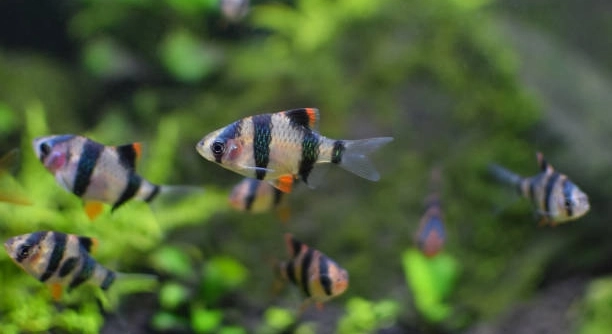
Tiger Barbs are lively fish that many aquarium owners enjoy watching. They have bright colors and active behavior, making them a popular choice for home tanks. However, their needs for space and environment are important to consider.
Tiger Barbs can live in tall narrow tanks, but these tanks are not ideal for their well-being. Their natural swimming patterns require horizontal space, and tall tanks limit movement, causing stress and affecting their health over time.
Choosing the right tank shape helps ensure your Tiger Barbs stay healthy and active. This article will explain why tank dimensions matter and how to create a good home for them.
Why Tank Shape Matters for Tiger Barbs
Tiger Barbs are active swimmers who enjoy moving side to side rather than just up and down. A tank that is too tall and narrow limits their swimming space horizontally, which can lead to frustration and stress. In the wild, these fish swim in rivers and streams where they have plenty of room to explore. When confined to a tall, narrow tank, they might swim vertically or become restless because their natural behavior is restricted. Additionally, narrow tanks can make it harder to maintain water quality and proper filtration, which is essential for Tiger Barbs’ health. Without enough space to swim freely, their energy can build up in ways that cause aggression toward other fish or lead to unhealthy habits. Choosing a tank with more horizontal room helps them feel comfortable and behave naturally, making it easier to care for them properly and keep them happy.
Tank dimensions directly affect Tiger Barbs’ behavior and well-being, so horizontal space should be prioritized over vertical height.
To keep Tiger Barbs healthy, aim for a tank that is wider than it is tall. A tank at least 30 inches long gives them room to swim comfortably and reduces stress. Tall tanks also limit the placement of decorations and plants, which these fish use for shelter and interaction. The wider base allows better water circulation and makes it easier to create a stable environment with proper oxygen levels. A tank with more length and width will better mimic their natural habitat, encouraging natural swimming patterns and social behavior. When setting up the tank, arrange plants and hiding spots to allow open swimming areas, avoiding clutter. This setup promotes peace among the fish and supports their active lifestyle. Overall, choosing a wider tank improves the quality of life for Tiger Barbs and helps maintain a balanced aquarium.
How to Make a Tall Tank More Suitable
Even if you have a tall tank, there are ways to improve it for Tiger Barbs. Adding horizontal swimming space by reducing vertical swimming can help. For example, placing plants or decorations at different heights encourages the fish to stay more in the middle or lower parts of the tank. This approach allows them to use the tank better despite its shape.
Focus on creating swimming lanes by arranging tank décor carefully. Use floating plants or driftwood to break up the vertical space, guiding the fish to swim sideways. Regular water changes and good filtration are important to keep water clean in a tall tank. Monitor your fish for signs of stress or aggression, and adjust the environment if needed. With thoughtful setup, even a tall tank can become a more comfortable space for Tiger Barbs.
Tank Size Recommendations for Tiger Barbs
A minimum tank size of 20 gallons is recommended for a small group of Tiger Barbs. This size allows enough room for their active swimming and social behavior.
Tiger Barbs are schooling fish, so keeping them in groups of at least six helps reduce aggression and stress. A 20-gallon tank provides adequate space for this number, but larger tanks are always better. The tank should be at least 30 inches long to offer enough horizontal swimming space. Smaller tanks can cause territorial behavior and increase stress levels. In addition to size, consider good filtration and aeration to keep water conditions stable, which supports their health.
For larger groups, increasing tank size proportionally is necessary. A 30-gallon or bigger tank is ideal for 8 to 10 Tiger Barbs, providing more room to swim freely and avoid conflicts. This helps maintain peaceful community behavior and allows for more natural activity.
Importance of Tank Mates
Choosing tank mates carefully helps create a balanced environment for Tiger Barbs. Avoid slow-moving or long-finned fish, as Tiger Barbs can nip fins and cause stress.
Good tank mates include other active and similarly sized fish, such as danios, barbs, and larger tetras. These species share similar swimming habits and energy levels, helping to reduce aggression. Avoid keeping Tiger Barbs with very small or delicate fish, which may become targets of fin-nipping. Providing hiding spots and plants can also help tank mates feel safe and reduce conflicts. Proper group size and compatible companions contribute to a healthy, peaceful aquarium.
Water Conditions for Tiger Barbs
Tiger Barbs thrive in water with a temperature between 74°F and 79°F. Maintaining stable water parameters helps keep them healthy and active.
A pH level of 6.5 to 7.5 is ideal for these fish. Regular water testing and changes are necessary to avoid sudden fluctuations that could stress them.
Feeding Tiger Barbs
Tiger Barbs are omnivores and need a varied diet for balanced nutrition. High-quality flakes or pellets designed for tropical fish form the base of their diet.
Supplement their meals with live or frozen foods like brine shrimp, bloodworms, or daphnia. This variety supports their energy and vibrant colors.
Lighting and Plants
Moderate lighting mimics their natural environment well. Too bright or too dim light can cause stress or reduce activity.
Including live plants provides hiding spots and helps maintain water quality. Plants also encourage natural behavior and make the tank more comfortable for Tiger Barbs.
FAQ
Can Tiger Barbs live alone in a tank?
Tiger Barbs are schooling fish, which means they feel safer and behave more naturally when kept in groups of six or more. Keeping a single Tiger Barb alone can cause stress and lead to aggressive or shy behavior. Alone, they might become lonely or bored, which affects their health and lifespan. A group encourages social interaction and reduces fighting.
How many Tiger Barbs should I keep together?
It’s best to keep at least six Tiger Barbs together. This group size helps spread out aggression and keeps the fish more peaceful. Smaller groups often cause more aggression because the fish compete more for territory and attention. Larger groups in bigger tanks also work well, as long as the tank has enough swimming space and good filtration.
Are tall tanks harmful to Tiger Barbs?
Tall tanks limit horizontal swimming space, which Tiger Barbs need to swim comfortably. Although they can survive in tall tanks, they may become stressed or aggressive over time due to lack of proper swimming room. Ideally, a tank with more length than height better supports their natural behavior.
What tank size is recommended for Tiger Barbs?
A minimum of 20 gallons is recommended for a small group of six Tiger Barbs. This size offers enough room for swimming and social interaction. Larger tanks are better for bigger groups, with a tank length of 30 inches or more providing sufficient horizontal space.
What tank mates are best for Tiger Barbs?
Good tank mates are active, fast-moving fish that can handle the Tiger Barbs’ energetic nature. Examples include danios, other barbs, and larger tetras. Avoid slow-moving or long-finned fish like bettas or angelfish, as Tiger Barbs may nip their fins, causing stress or injury.
How often should I feed Tiger Barbs?
Feed Tiger Barbs small amounts twice a day. Overfeeding can pollute the water and harm their health. Provide a balanced diet of high-quality flakes or pellets, supplemented occasionally with live or frozen foods like brine shrimp or bloodworms.
What water conditions do Tiger Barbs need?
Tiger Barbs thrive in temperatures between 74°F and 79°F. The pH should be stable between 6.5 and 7.5. Regular water changes and proper filtration help maintain these conditions and keep the fish healthy.
Do Tiger Barbs need plants in their tank?
Live plants are beneficial because they provide hiding spots and make the environment more natural. Plants also improve water quality by absorbing nitrates and offering shade. However, Tiger Barbs may nip at some plants, so choose sturdy species like Java fern or Anubias.
Can Tiger Barbs live in a community tank?
Yes, Tiger Barbs can live in a community tank if the other fish are fast and robust enough to keep up with them. Avoid delicate or slow fish to prevent stress and fin-nipping. Proper tank size, décor, and group size help maintain peace.
How do I reduce aggression in Tiger Barbs?
Keeping them in groups of six or more reduces aggression. Providing plenty of swimming space, hiding spots, and distractions like plants or decorations can also help. Avoid overcrowding and make sure water quality is good to minimize stress.
Is a tall tank harder to maintain for Tiger Barbs?
Tall tanks may be more challenging because they limit swimming space and can create uneven water circulation. Proper filtration and regular maintenance are crucial to keep water conditions stable in such tanks. Adding décor to create horizontal swimming areas can also help.
When it comes to keeping Tiger Barbs, the shape and size of the tank play a very important role in their well-being. These fish are naturally active swimmers that prefer moving side to side rather than just up and down. Tall and narrow tanks do not provide enough horizontal space, which can limit their natural behavior and cause stress. While Tiger Barbs can survive in such tanks, they may not thrive or show their best behavior. A wider tank allows them to swim comfortably, interact socially, and stay healthier over time. So, choosing the right tank size and shape is a key step in caring for these lively fish.
Tank mates also matter a lot for Tiger Barbs. They are energetic and sometimes a little aggressive, especially if they feel cramped or stressed. Selecting fish that can keep up with their activity level helps keep the peace in the aquarium. It’s best to avoid slow or long-finned fish because Tiger Barbs tend to nip at fins, which causes injury and stress. Creating a balanced community with compatible species and giving each fish enough room helps reduce aggression. Adding plants and decorations for hiding spots can also calm the fish and encourage natural behaviors.
Lastly, maintaining good water quality and providing a proper diet are important to keep Tiger Barbs healthy. Stable water temperature and pH help reduce stress and illness. Feeding them a varied diet that includes quality flakes or pellets, along with live or frozen foods, supports their energy and vibrant colors. Regular water changes and a well-filtered tank contribute to a clean and comfortable environment. When these basic needs are met, Tiger Barbs can live active, happy lives, even if the tank shape isn’t perfect. Taking time to understand their needs will help you enjoy watching these beautiful fish for years.

Hello,
If you enjoy the content that we create, please consider saying a "Thank You!" by leaving a tip.
Every little bit helps us continue crafting quality advice that supports the health, happiness, and well-being of pets around the world, for pets of all shapes, sizes, and species.
We really appreciate the kindness and support that you show us!