
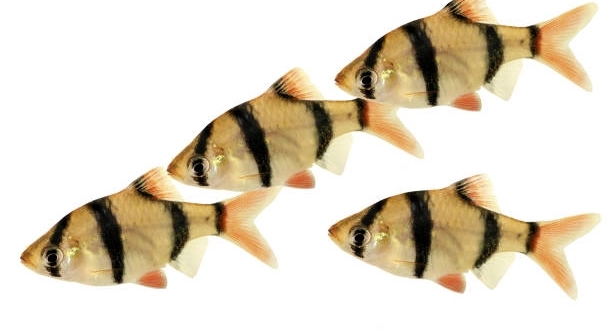
Do you ever find yourself wondering if your tropical aquarium fish could live outside in a backyard pond instead?
Tiger Barbs can live in outdoor ponds, but only in warm climates with stable water conditions. They are tropical fish and require water temperatures above 70°F. Sudden temperature drops or poor water quality can cause serious health problems.
Learning about proper care and the best seasonal setups can help ensure your Tiger Barbs stay healthy in outdoor environments.
Temperature and Climate Matter
Tiger Barbs are tropical fish that prefer warm water. If you want to keep them in an outdoor pond, your local climate must stay above 70°F, even at night. These fish cannot tolerate cold water, so sudden drops in temperature, especially during cooler months or at night, can stress or harm them. Outdoor ponds in warm regions, such as southern states or tropical areas, can provide a suitable environment year-round. In colder areas, you may only be able to keep Tiger Barbs outside during the summer. Using a pond heater can help, but it’s not always reliable outdoors. It’s important to monitor the water temperature regularly to avoid sudden changes. You should also place the pond in a spot with partial shade, as this helps maintain a stable temperature. A shallow pond warms quickly during the day but cools rapidly at night, which can be dangerous for tropical fish like Tiger Barbs.
Short periods of cold can weaken Tiger Barbs’ immune systems, making them more prone to disease and stress.
A deeper pond with at least two feet of depth is better for maintaining a stable temperature range. This keeps the water from heating or cooling too quickly throughout the day or night.
Pond Setup and Fish Safety
Outdoor ponds need proper planning to keep fish healthy and safe.
The pond should have a filter to keep the water clean and oxygenated. Even though outdoor ponds are natural, waste still builds up, especially in small spaces. Without proper filtration, ammonia and nitrite levels can rise and stress the fish. A small pump with a biological filter is usually enough. Plants like water lettuce and duckweed offer shade and improve water quality by absorbing excess nutrients. Covering part of the pond with netting or using floating plants helps protect Tiger Barbs from predators such as birds and cats. These fish are active swimmers and need space, so avoid overcrowding. Add hiding spots like rocks, clay pots, or driftwood to make them feel safe. Tiger Barbs can be territorial, so a larger space helps reduce aggression. Test the water regularly for pH and toxins to keep it balanced. Always acclimate the fish slowly when transferring them outdoors.
Feeding and Seasonal Changes
Feeding Tiger Barbs in outdoor ponds is simple but should match seasonal needs. In warm months, they eat more often, while cooler temperatures slow their digestion. Use high-quality flakes, pellets, and occasional live or frozen foods like bloodworms.
In warmer weather, feed once or twice a day, offering what they can eat in a few minutes. Leftover food should be removed to avoid polluting the water. In cooler months, reduce feeding as their metabolism slows. If temperatures drop below 70°F, it’s best to stop feeding completely, as undigested food can harm their health. Always store fish food in a dry, cool place to keep it fresh. Avoid overfeeding, as outdoor ponds have limited filtration compared to indoor tanks. For added nutrition, consider including pond-safe plants and insects. These additions create a natural food source and enrich the Tiger Barbs’ diet while encouraging natural behavior and activity in the pond.
Seasonal temperature changes also affect pond maintenance. Warmer months often require more frequent water checks and plant trimming to maintain water quality. During the cooler seasons, you’ll need to monitor temperature closely and decide whether to move the fish indoors. If temperatures fall below safe levels, transfer them to a heated aquarium until spring. Use an aquarium-safe container and give the fish time to adjust slowly to indoor water conditions. Keeping the indoor tank ready in advance saves time and stress. Watch for signs of stress like color fading or lack of movement. These can mean the water is too cold or oxygen levels are dropping, both of which need quick attention to keep your fish healthy.
Tank Mates and Compatibility
Tiger Barbs can be aggressive, especially when kept in small numbers. Keeping at least six together helps reduce bullying, as they focus on each other instead of other species. Choose tank mates that are fast and similarly sized.
In an outdoor pond, avoid slow-moving or long-finned fish, like guppies or bettas, as Tiger Barbs may nip at them. Good pond companions include White Cloud Mountain Minnows, Rosy Barbs, or Zebra Danios. These fish are quick swimmers and can handle the social nature of Tiger Barbs. Make sure all species you introduce share similar water temperature needs. Space is also important—more room means less conflict. Keep hiding areas available so shy fish can escape when needed. Monitor their behavior often, especially during feeding times. If bullying increases or fish show signs of injury, you may need to adjust the group or separate individuals. A balanced mix helps maintain a peaceful and active pond.
Risks to Watch For
Outdoor ponds expose Tiger Barbs to predators like birds, raccoons, and stray cats. Covering the pond with netting or adding floating plants can reduce the chance of attacks. Deeper ponds also make it harder for predators to reach the fish.
Poor water quality is another serious risk. Without proper filtration or regular maintenance, ammonia and nitrite levels can rise quickly. Testing kits help you catch problems early. Changes in rainwater and runoff can also affect the pond’s pH and temperature, so it’s important to keep the area around the pond clean and clear.
Moving Fish Indoors
If your region has cold winters, you’ll need to bring your Tiger Barbs indoors before the temperature drops. Use a clean, food-safe container filled with pond water to move the fish. Let them float in their indoor tank for 20–30 minutes to adjust slowly. This helps prevent temperature shock. Once they’re used to the water, gently release them. Keep their indoor tank warm and filtered, and make sure they have hiding spots and enough swimming space. Monitor them for stress and illness, especially during the first few days after the move. They usually adjust well when handled with care.
Final Thoughts
Outdoor ponds can work for Tiger Barbs, but only if the setup meets their needs and the climate stays consistently warm.
FAQ
Can Tiger Barbs survive in outdoor ponds year-round?
Tiger Barbs can live in outdoor ponds year-round only if the climate stays warm and stable. They need water temperatures above 70°F to remain healthy. In regions with cold winters, it is best to move them indoors during colder months or risk serious health issues due to cold stress.
What water temperature is best for Tiger Barbs in ponds?
The ideal water temperature for Tiger Barbs in ponds is between 75°F and 82°F. Temperatures below 70°F can cause stress and make them vulnerable to illness. Sudden changes in temperature should be avoided to prevent shock.
How deep should an outdoor pond be for Tiger Barbs?
A pond depth of at least two feet is recommended. This depth helps maintain more stable water temperatures and provides a safer environment against predators and weather changes. Shallow ponds tend to heat and cool too quickly, which can be dangerous.
What kind of filtration is needed in an outdoor pond?
A biological filter is essential to keep the water clean and free from harmful toxins like ammonia and nitrites. A small pump circulating water through the filter helps maintain oxygen levels. Even in natural ponds, waste buildup can harm fish without proper filtration.
Can Tiger Barbs live with other fish in outdoor ponds?
Yes, but it’s important to choose compatible species. Tiger Barbs can be aggressive and may nip at slow-moving or long-finned fish. Fast swimmers like White Cloud Mountain Minnows or Zebra Danios make good tank mates. Keeping at least six Tiger Barbs reduces bullying among themselves.
How often should I feed Tiger Barbs in an outdoor pond?
Feed Tiger Barbs once or twice daily during warm months. Offer only what they can consume in a few minutes to prevent leftover food from polluting the water. Reduce feeding or stop entirely when water temperatures drop below 70°F.
What are common predators for Tiger Barbs in outdoor ponds?
Birds like herons, raccoons, and neighborhood cats pose threats to outdoor fish. Using pond netting, floating plants, or placing the pond in a covered area helps protect Tiger Barbs from these predators.
How do I acclimate Tiger Barbs to an outdoor pond?
When moving Tiger Barbs from an indoor tank to an outdoor pond, acclimate them slowly. Float the bag or container in the pond water for 20–30 minutes, gradually mixing pond water into their container to adjust to the new conditions before releasing them.
What signs show Tiger Barbs are stressed or unhealthy?
Look for faded colors, clamped fins, slow movement, or hiding more than usual. Stress can also cause loss of appetite. Poor water quality or incorrect temperature is often the cause. Prompt water testing and adjusting conditions can improve their health.
Can Tiger Barbs breed in outdoor ponds?
Tiger Barbs can breed in outdoor ponds if conditions are right. They prefer dense plants or hiding spots to lay eggs. However, raising fry in a pond is challenging due to predators and fluctuating water conditions. Many prefer breeding them indoors for better control.
Is it safe to keep Tiger Barbs in ponds with fluctuating pH levels?
Tiger Barbs prefer a stable pH between 6.5 and 7.5. Fluctuating pH levels can stress the fish and weaken their immune system. Regular water testing and maintaining proper filtration help keep pH stable. Avoid using chemicals that can cause sudden pH changes.
What maintenance is required for outdoor ponds with Tiger Barbs?
Regular water testing for ammonia, nitrites, nitrates, and pH is essential. Partial water changes help keep toxins low. Remove dead plants and debris to prevent water pollution. Check and clean filters monthly. Monitor temperature daily during seasonal changes to ensure safe conditions.
How do I protect Tiger Barbs during heavy rain or storms?
Heavy rain can dilute pond water and change temperature or pH suddenly. Covering the pond partially with plants or a canopy helps reduce rain impact. After storms, test water quality and temperature. Avoid feeding fish right after storms to prevent stress.
Can Tiger Barbs live with aquatic plants in ponds?
Yes, aquatic plants provide shade, hiding spots, and help improve water quality by absorbing excess nutrients. Plants like hornwort, water lettuce, and duckweed work well. However, be mindful of plant coverage to avoid reducing oxygen levels too much.
What is the best way to prevent disease in outdoor ponds?
Keep the water clean with regular filtration and partial water changes. Avoid overcrowding and maintain proper feeding habits. Quarantine new fish before adding them to the pond. Watch for signs of illness and treat promptly with pond-safe medications.
How long do Tiger Barbs typically live in outdoor ponds?
With proper care, Tiger Barbs can live 5 to 7 years in outdoor ponds. Maintaining stable temperatures, clean water, and good nutrition helps them reach their full lifespan. Stress or poor conditions often shorten their life expectancy.
Tiger Barbs can live happily in outdoor ponds, but there are important factors to consider before making the move. These fish need warm, stable water temperatures above 70°F to stay healthy. If your climate is cooler or changes drastically with the seasons, keeping Tiger Barbs outside year-round may not be possible. In such cases, bringing them indoors during cold months is necessary to protect them from stress and illness. It is important to plan for seasonal changes and have a suitable indoor tank ready when needed. Keeping a close eye on water temperature and quality throughout the year helps ensure the fish remain comfortable and safe.
Setting up the right pond environment is key for Tiger Barbs’ success. A pond should be at least two feet deep to help keep the water temperature steady. Good filtration is needed to remove harmful waste and maintain oxygen levels. Adding aquatic plants can provide shade and improve water quality while giving the fish places to hide and feel secure. Predator protection is also important since outdoor ponds expose fish to birds and other animals. Simple measures like netting and floating plants can reduce these risks. Feeding should be adjusted depending on the season, with less or no food offered when water temperatures drop. Careful attention to these details will help Tiger Barbs thrive in an outdoor setting.
While outdoor ponds can work well in warm regions, they require ongoing care and monitoring. Regular water testing and maintenance keep the environment safe for the fish. Monitoring for signs of stress or illness lets you respond quickly to any problems. If aggression occurs, especially with other fish, adjusting tank mates or population may be needed. Bringing Tiger Barbs indoors during colder months protects their health and extends their lifespan. When all factors are managed properly, Tiger Barbs can enjoy a good quality of life in an outdoor pond. Understanding their specific needs helps prevent common problems and ensures a successful pond setup for these colorful fish.

Hello,
If you enjoy the content that we create, please consider saying a "Thank You!" by leaving a tip.
Every little bit helps us continue crafting quality advice that supports the health, happiness, and well-being of pets around the world, for pets of all shapes, sizes, and species.
We really appreciate the kindness and support that you show us!