
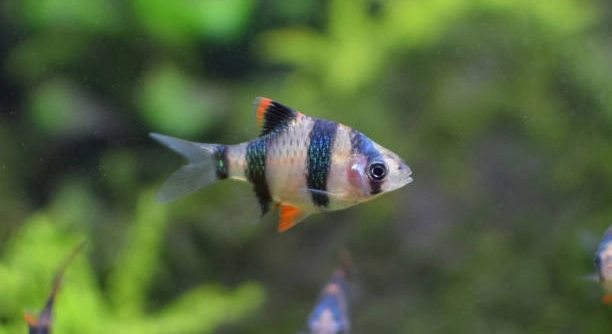
Many aquarium owners enjoy keeping tiger barbs for their lively behavior and bright colors. These fish are popular in community tanks, but their care needs can sometimes be misunderstood. Lighting is one key factor in creating a suitable environment for them.
Tiger barbs can survive in low light tanks, but they thrive best under moderate to bright lighting conditions. Insufficient light may affect their coloration and activity levels, potentially impacting overall health and behavior over time.
Understanding how lighting affects tiger barbs will help you create a balanced tank environment. This knowledge ensures your fish stay healthy and vibrant in their aquatic home.
Understanding Tiger Barbs’ Lighting Needs
Tiger barbs come from environments with variable light levels, often shaded by plants or natural structures. They are adaptable but prefer moderate lighting to maintain their vivid colors and active behavior. In low light tanks, tiger barbs tend to become less colorful and less energetic, which can affect their overall well-being. Lighting also influences their feeding and social behaviors, as they rely on light cues for daily rhythms. If the light is too dim, it can stress them and make them more prone to illness. However, very bright lighting is not ideal either, as it can cause excessive algae growth and stress the fish. Balancing the light level while providing hiding spots with plants or decorations is important. A timer to regulate light cycles helps maintain a stable environment. Observing your tiger barbs regularly will help you notice if the lighting is suitable or if adjustments are needed to keep them healthy and active.
Maintaining moderate lighting supports tiger barbs’ natural behavior and coloration, improving their health and tank dynamics.
Choosing the right lighting also benefits the aquarium as a whole. Plants, if included, thrive better under moderate light, enhancing the tank’s aesthetics and water quality. Too little light causes plants to weaken, reducing oxygen and shelter for the fish. On the other hand, bright light encourages algae growth, which can quickly take over the tank and harm the fish. Adjusting the light intensity and duration according to your specific tank setup is key. Using adjustable LED lights can be a practical way to provide the perfect balance. Additionally, including natural or artificial plants creates shaded areas for the tiger barbs, helping them feel secure. Proper lighting, combined with regular tank maintenance, ensures a healthy environment where your tiger barbs can thrive despite low light conditions.
Tips for Setting Up Low Light Tanks for Tiger Barbs
Low light tanks require careful planning to meet tiger barbs’ needs. Focus on providing shaded spots and hiding places to reduce stress and encourage natural behavior.
When setting up a low light tank, choose plants and decorations that tolerate or thrive in dim environments. Species like Java fern and Anubias grow well under low light and create natural hiding spots. Avoid placing the tank in direct sunlight, which can cause temperature fluctuations and algae blooms. Use a timer to maintain consistent light periods, mimicking natural day and night cycles. Feeding should be done carefully to avoid leftover food, which can worsen water quality in low light tanks. Regular water changes and monitoring water parameters help keep the environment stable. Finally, observe the fish closely to ensure they remain active and healthy. Adjustments to lighting, tank setup, or feeding may be necessary to create the best living conditions for your tiger barbs.
Tank Setup for Low Light Conditions
Selecting the right substrate and decorations is crucial for a low light tank. Dark substrates help enhance the colors of tiger barbs and reduce reflected light, creating a more comfortable environment.
Using plants suited for low light, such as Java fern and Anubias, is essential. These plants don’t need strong lighting and provide hiding spots, helping reduce stress. Avoid overcrowding the tank with decorations to allow free swimming space. Keep the filtration system efficient but not too strong, as tiger barbs prefer moderate water flow. Adding driftwood or rocks can also create shaded areas and natural hiding spots. Proper placement of plants and decorations balances open swimming areas with secure retreats.
Lighting should be consistent with a timer to simulate day and night. Avoid sudden changes in light intensity, as this can stress the fish. Maintaining water quality is critical, especially in low light tanks where algae growth may be slower but debris can accumulate.
Feeding Tiger Barbs in Low Light Tanks
Feeding should be done carefully to avoid leftover food, which can harm water quality in low light conditions.
Tiger barbs are omnivores and require a varied diet including flakes, pellets, and live or frozen foods. Feeding small amounts two to three times daily helps maintain health and reduces waste buildup. Observe their eating behavior to adjust portions and prevent uneaten food from polluting the tank. In low light, fish metabolism might slow slightly, so avoid overfeeding. Including occasional live foods or vegetables boosts nutrition and mimics natural diet. Regular feeding with balanced nutrition supports vibrant coloration and active behavior even in dimmer environments.
Common Issues in Low Light Tanks
Algae growth is typically slower in low light tanks but can still become a problem if not managed properly.
Stress and fading colors are common signs that lighting or tank conditions need adjustment for tiger barbs.
Monitoring Fish Health
Regular observation of tiger barbs is important to catch signs of illness early. Watch for changes in behavior, appetite, or appearance, such as dull colors or lethargy. Maintaining clean water and stable conditions helps prevent common diseases in low light setups.
Benefits of Low Light Tanks
Low light tanks often require less energy and can create a calmer environment for fish sensitive to bright lighting.
Adjusting Lighting Gradually
Sudden changes in lighting can stress tiger barbs. Adjust light intensity and duration slowly to help fish adapt comfortably.
FAQ
Can tiger barbs live in complete darkness?
Tiger barbs cannot live in complete darkness. Like most fish, they rely on a light cycle to regulate their natural behaviors, including feeding and resting. Extended periods without light can cause stress and negatively affect their health. Low light is tolerable, but total darkness is not sustainable.
How much light do tiger barbs need daily?
Tiger barbs do best with about 8 to 10 hours of light per day. This simulates their natural environment and supports their activity and coloration. Using a timer can help maintain consistent light cycles, which is important for their well-being.
Will low light affect tiger barbs’ color?
Yes, low light can cause tiger barbs to lose some of their bright coloration. They naturally show the best colors under moderate to bright light. While they can survive in dimmer conditions, their colors may appear duller over time.
Is it necessary to have live plants in a low light tank?
Live plants are not required, but they do provide benefits. Certain low light plants improve water quality, offer hiding places, and help reduce stress for tiger barbs. If live plants are not an option, artificial plants with similar coverage can be used.
Can tiger barbs live with other fish in a low light tank?
Tiger barbs can coexist with other fish if the tank is large enough and the species are compatible. Low light conditions do not usually affect compatibility, but stress levels and territorial behavior should be monitored closely.
What kind of lighting is best for a low light tank with tiger barbs?
LED lights with adjustable brightness are ideal for low light tanks. They allow precise control over light intensity and timing. Avoid very bright or harsh lighting to prevent stress and algae growth.
How do I prevent algae growth in a low light tank?
Algae can be controlled by maintaining a proper light schedule, avoiding overfeeding, and performing regular water changes. Using live plants that compete with algae and keeping the tank clean also help reduce algae buildup.
Can low light stress tiger barbs?
Low light alone usually doesn’t stress tiger barbs if other tank conditions are stable. However, insufficient light combined with poor water quality or overcrowding can increase stress. Monitoring water parameters and tank population is important.
Should feeding routines change in low light tanks?
Feeding routines generally stay the same, but portion sizes may need adjusting. Fish in low light tanks can have slightly slower metabolisms, so avoid overfeeding to prevent water quality issues.
How do I know if my tiger barbs are stressed by lighting?
Signs of stress include faded colors, hiding excessively, erratic swimming, or loss of appetite. If these appear after changing light conditions, consider adjusting the light intensity or duration gradually.
Is there a specific light spectrum beneficial for tiger barbs?
A balanced full-spectrum light mimics natural daylight and supports fish health. It also enhances the colors of tiger barbs and any live plants in the tank. Avoid lights with extreme blue or red dominance alone.
Can low light affect the breeding of tiger barbs?
Low light can reduce breeding activity, as tiger barbs often breed under brighter conditions. Providing moderate light and a healthy environment increases the chances of spawning.
Are tiger barbs more active in brighter light?
Generally, yes. Tiger barbs tend to be more active and display natural schooling behavior in moderate to bright light. Low light may reduce their activity levels.
Is it okay to have a shaded area in the tank?
Yes, shaded areas are beneficial. Tiger barbs use these spots to feel secure and rest. Including plants or decorations that create shade improves their comfort and reduces stress.
How quickly should I change lighting conditions?
Lighting changes should be gradual, ideally over several days or weeks. Sudden changes can shock the fish and cause stress or illness.
What maintenance is required for low light tanks?
Low light tanks still need regular water changes, filter cleaning, and monitoring of water parameters. Algae control and plant care (if live plants are present) are also important to keep the environment stable.
This FAQ covers many common concerns about keeping tiger barbs in low light tanks, helping maintain a healthy, balanced aquarium.
Tiger barbs are hardy fish that can adapt to various lighting conditions, including low light tanks. However, their health and coloration are better supported with moderate lighting. Low light environments can be suitable if you take care to maintain water quality, provide enough hiding spots, and offer proper nutrition. These fish rely on light cues for their natural behaviors, so completely dark or inconsistent lighting can cause stress or dull their colors over time. Creating a balanced environment with stable conditions is key to keeping tiger barbs healthy and active.
In low light tanks, it is important to focus on other aspects of care beyond just the lighting. Regular water changes, proper filtration, and feeding routines help maintain water quality, which is essential for tiger barbs’ wellbeing. Using plants and decorations that thrive in dim environments provides shelter and reduces stress. A timer for lighting helps simulate natural day and night cycles, which benefits the fish’s overall health. Observing your tiger barbs regularly will help you notice any signs of stress or illness early so that adjustments can be made promptly.
Ultimately, while tiger barbs can live in low light tanks, it requires attention to several factors to ensure they thrive. Lighting is just one piece of the puzzle. By creating an environment that supports their natural behaviors and meets their basic needs, you can enjoy their vibrant colors and lively activity even in less bright conditions. Consistency and care are essential, and with the right setup, tiger barbs will continue to be a striking and engaging addition to your aquarium.

Hello,
If you enjoy the content that we create, please consider saying a "Thank You!" by leaving a tip.
Every little bit helps us continue crafting quality advice that supports the health, happiness, and well-being of pets around the world, for pets of all shapes, sizes, and species.
We really appreciate the kindness and support that you show us!