
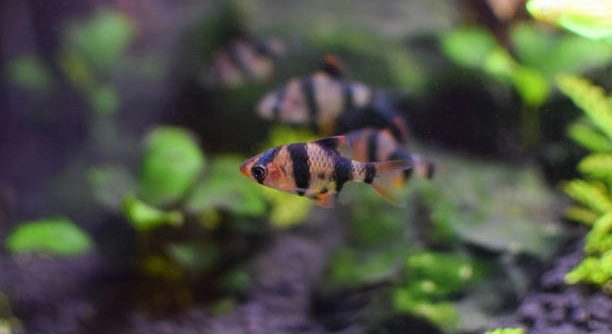
Have you ever found yourself watching your tiger barbs swim around and wondered if they can actually learn from what they experience?
Tiger barbs are capable of learning through repetition, particularly when it comes to simple tasks and behavior patterns. Studies show that with consistent exposure and reward-based training, these fish can adapt to changes and form habits over time.
Learning more about their behavior can help you create a tank environment that supports both mental stimulation and healthy social interactions.
How Tiger Barbs React to Repetition
Tiger barbs are active fish with bold personalities. When exposed to the same stimulus repeatedly, they start to show signs of learned behavior. For example, if you feed them at the same time each day, they often swim to the surface at that time, expecting food. This behavior shows that they can recognize patterns. They also respond to specific cues like tapping or light flashes when linked to feeding or interaction. Their learning is basic, but it is noticeable. Over time, consistent repetition can shape how they behave in their tank. While they may not learn tricks like some other species, they can still form associations and adapt. This makes them interesting to watch and interact with. Repetition helps them feel secure and reduces stress, especially when changes are introduced gradually. The key is to be consistent with timing, signals, and interactions to see steady progress.
Repetition in their daily routine helps them develop a sense of timing and recognition. This builds trust and makes handling easier.
Using food as a reward can be helpful when trying to reinforce certain behaviors. A small treat after a repeated action helps them link that pattern with something positive. Just be careful not to overfeed them.
Why Routine Matters in a Community Tank
Consistency supports peaceful interactions in tanks with multiple species.
In community tanks, tiger barbs often show better behavior when routines are in place. Their natural energy can sometimes cause stress for more passive fish, but structure helps keep things calm. Feeding them at the same time daily or turning lights on and off on a regular schedule helps reduce tension. It also helps tank mates feel more at ease. When tiger barbs know what to expect, they’re less likely to act out or show aggressive behavior. A structured setup supports a more stable social balance, especially when paired with hiding spots and enough space. Observing them during routine activities can also help you spot signs of stress or illness early on. Over time, they learn the tank’s rhythm and respond in predictable ways. This makes care and maintenance easier, and it helps you build a better understanding of their individual needs.
How Environment Affects Learning
A stable environment helps tiger barbs learn more effectively. Sudden changes can cause confusion or stress, making it harder for them to form consistent habits. A calm, predictable tank setup allows them to feel safe and respond better to repeated patterns.
Tank layout plays a role in how well tiger barbs adapt. Keeping decorations in the same place helps them create a mental map of their space. If their surroundings stay familiar, they can focus more on learning and less on reorienting themselves. Adding objects like plants, rocks, or tunnels gives them places to explore, which supports natural curiosity. Try to avoid shifting items around too often. Stability gives them time to understand and connect certain behaviors to outcomes. Lighting, water flow, and hiding areas should also stay consistent. These factors reduce stress and improve the chances that repeated exposure will lead to actual learning over time.
Water quality is just as important as layout. Dirty water or unstable pH levels can impact their mood and ability to learn. Stress from poor conditions may lead to erratic swimming, aggression, or loss of appetite. Keeping the water clean and the temperature steady helps them stay active and focused. It also encourages natural behaviors like schooling and foraging. If they’re calm and comfortable, they’re more likely to notice patterns and respond in a positive way. Always check filters, test the water weekly, and make sure there’s enough oxygen. A healthy environment makes it easier for tiger barbs to recognize repetition and adapt to it.
Role of Social Behavior in Repetition
Tiger barbs are social and often learn from one another. When one reacts to a cue, others may follow. This group behavior can be useful when using repetition for feeding or calming routines.
In a group, they tend to pick up on each other’s habits, especially when there is a pattern involved. If one fish swims to a certain corner for food, others may begin doing the same. This kind of mimicry helps new or shy barbs adapt faster. It’s also helpful when introducing small changes. For example, if one fish adjusts quickly to a new feeding signal, others may follow without hesitation. Group dynamics can strengthen the effect of repetition. But this also means that bad habits can spread too. If one fish becomes aggressive or anxious, others may start showing similar signs. That’s why it’s important to monitor them closely and step in early if behavior starts to shift.
Best Ways to Use Repetition
Feeding at the same time each day is one of the easiest ways to build a routine. Tiger barbs begin to associate that time with food, making them more predictable and less anxious.
Using gentle signals, like tapping the glass before feeding, can help reinforce patterns. Over time, they learn to respond calmly.
When Repetition Doesn’t Work
Sometimes repetition fails if the fish are stressed, sick, or overcrowded. If they’re not feeling well or don’t have enough space, they may ignore repeated actions altogether. Environmental stress can block their ability to focus and recognize patterns. Repetition works best when they are healthy and relaxed. In tanks with too many distractions—like strong currents, flashing lights, or too many tank mates—barbs can become overstimulated and less responsive. Poor water quality or lack of routine care also breaks their ability to form habits. Watching how they behave over time will tell you whether repetition is helping or not. If it isn’t, check the tank setup first.
Final Thoughts on Repetition
Simple, repeated actions paired with a calm tank help tiger barbs adapt and learn. Their responses may be small, but they’re still meaningful.
FAQ
Can tiger barbs remember specific actions or events?
Tiger barbs have limited memory, but they can remember repeated actions, especially when tied to feeding or consistent interaction. If you feed them at the same time daily or tap the glass before feeding, they may begin to associate that routine with food. Over time, they show signs of expecting that pattern. However, they likely won’t remember one-time events or isolated actions. Their memory supports short-term learning and repetition rather than complex recall. This is why regular habits are more effective than random ones when trying to guide their behavior.
Do tiger barbs respond to their owner’s presence?
Yes, many tiger barbs learn to associate their owner’s presence with feeding or attention. If you stand near the tank around the same time every day or interact with them regularly, they often swim toward the front of the tank in response. This behavior is based on routine and repetition. They don’t recognize you as an individual in the same way a dog might, but they can learn to expect certain things when you appear. A consistent schedule helps reinforce this connection over time.
Can tiger barbs learn tricks like swimming through hoops?
Tiger barbs are not known for performing complex tricks, but with enough patience and repetition, they may learn very basic tasks. Simple actions like swimming through a hoop can be encouraged using food rewards and clear, repeated cues. The trick is keeping the task easy and the reward consistent. However, not all barbs will respond the same way. Some may ignore the task completely. Keep sessions short and limit distractions. Success depends on the individual fish and how calm the environment is.
Do tiger barbs get bored without repetition or routine?
Yes, they can become restless or aggressive without structure in their environment. A routine gives them stability and something to expect. Without it, tiger barbs may chase tank mates more often or show signs of stress like erratic swimming. Providing a routine—feeding at regular times, maintaining lighting schedules, and offering enrichment like plants or decor—helps keep them mentally active. A mix of familiarity and gentle changes works best. Too many changes too fast, or no pattern at all, can lead to behavior issues.
Is it better to train tiger barbs alone or in a group?
Tiger barbs learn best in groups because they are social fish. One fish’s behavior can influence the rest. If one starts to respond to a feeding cue, others often follow. This shared learning can make routines easier to establish. However, aggression can spread just as easily, especially if there’s overcrowding or limited space. Try using a balanced group of five or more and avoid pairing them with slow-moving or shy species. Group learning works well as long as the tank setup supports calm interaction.
How long does it take for tiger barbs to learn something through repetition?
It varies, but simple routines can take just a few days to stick. For example, if you feed them at the same time daily with a signal like tapping, they may begin responding within a week. More complex responses, like swimming to a specific part of the tank, might take longer—sometimes a few weeks. Repetition and consistency are key. If the pattern is broken often, they may not learn it at all. Keep distractions low and give them time to adjust slowly.
Do all tiger barbs respond to repetition the same way?
Not always. Like most animals, individual fish can show different levels of response. Some may be more curious and alert, while others are more reserved. Tank conditions, age, and health can also affect how quickly a fish learns. Even in the same group, some tiger barbs will respond faster than others. That’s why it’s important to observe them closely and adjust your approach if needed. The more patient and consistent you are, the better chance they’ll respond over time.
Can changing tank decorations affect their ability to learn?
Yes, frequent changes can confuse them. Tiger barbs use landmarks in their tank to navigate and feel secure. If decorations are moved too often, it may throw off their sense of space and make learning harder. Try to keep main features like plants, rocks, or tunnels in the same place. This helps them feel settled and better able to recognize repeated patterns. You can still add new elements for enrichment, but keep changes small and gradual.
Final Thoughts
Tiger barbs may be small, but they show clear signs of learning through repetition. With simple routines, they can begin to respond to certain cues and patterns. Feeding them at the same time each day, using a small signal like a gentle tap, or keeping the tank layout stable helps them understand what to expect. These repeated actions make their environment feel more secure, which lowers stress. When they feel calm, they are more likely to show positive behavior, such as schooling together or coming forward when you approach. Even though their learning is not advanced, it is still meaningful and can improve both their well-being and your experience as a fish keeper.
Consistency is important. If signals, schedules, or surroundings change too often, tiger barbs may become anxious or confused. This can lead to aggressive behavior or hiding, especially in tanks with multiple fish. A stable routine helps reduce these problems. It also encourages peaceful social behavior in community tanks. When one tiger barb learns to respond to a repeated pattern, others often follow. This group learning makes it easier to manage the tank and notice any changes in behavior early on. If something feels off, like one fish not reacting to the usual cues, it may be a sign that something in the tank needs attention.
It’s also helpful to remember that not all tiger barbs learn at the same pace. Some may pick up on routines quickly, while others take a bit more time. Factors like water quality, tank size, lighting, and social interaction all play a role in how well they adapt. Keeping the environment clean, calm, and predictable allows them to thrive. Even small signs of learning—like swimming to the top before feeding time or responding to your movements—are worth noticing. These little moments show that repetition does make a difference. With patience and care, you can build a tank where your tiger barbs feel safe, engaged, and understood.

Hello,
If you enjoy the content that we create, please consider saying a "Thank You!" by leaving a tip.
Every little bit helps us continue crafting quality advice that supports the health, happiness, and well-being of pets around the world, for pets of all shapes, sizes, and species.
We really appreciate the kindness and support that you show us!