
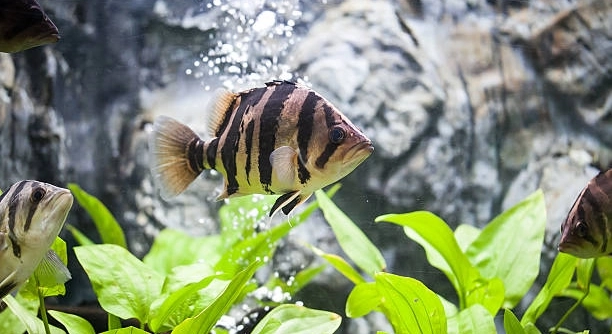
Have you ever noticed your tiger barbs acting differently depending on the time of day and wondered if they follow a routine?
Tiger barbs can adapt to a routine schedule through consistent feeding times, lighting patterns, and environmental stability. While not truly “trained,” their behavior may begin to align with predictable daily cues in their habitat.
By understanding how their instincts respond to consistency, you can shape a schedule that supports both their activity and well-being.
How Tiger Barbs Respond to Routine
Tiger barbs are active, social fish that respond well to consistency in their environment. Keeping a stable feeding time and lighting schedule can influence how they behave throughout the day. Over time, you may notice them gathering near the top of the tank when it’s close to feeding time or becoming more active during their usual lit hours. While they don’t recognize time the way humans do, their instincts allow them to learn when to expect certain events. This learned behavior helps them feel more secure in their surroundings, which can reduce stress. A calm, stable environment can also help minimize aggression in the tank. Routine gives them a sense of rhythm, which often improves their overall behavior.
They tend to swim more confidently when they know what to expect. You may even notice them resting more during darker hours, mirroring their natural day-night cycle.
A routine helps tiger barbs thrive in captivity by supporting their natural behaviors and creating a sense of predictability. Feeding, lighting, and maintenance done consistently all contribute to this effect. It’s a simple adjustment that makes a noticeable difference in their comfort and activity levels. For a schooling fish like this, stability matters more than you might expect.
Building a Simple Schedule
Start by feeding your tiger barbs at the same times each day and keeping a steady light cycle of 10 to 12 hours.
Once this pattern becomes consistent, the fish begin to anticipate their routines. When food is offered at regular times, they become more active around those moments, reducing wasted food and improving tank cleanliness. The light schedule also plays a big role in their rest and activity cycles. Using a timer on your aquarium light helps maintain this stability without extra effort. Avoid frequent changes in their environment—sudden shifts can confuse or stress the fish. Also, make sure water changes, filter maintenance, and tank checks happen regularly on a weekly or biweekly basis. These subtle habits help the tiger barbs feel secure. Over time, you may even notice improved coloration and social interactions. A calm, consistent environment supports their natural behavior, which is important for their health. Establishing this rhythm doesn’t require anything complicated—just steady habits that align with the needs of your fish.
Common Signs of Routine Recognition
Tiger barbs may start swimming near the surface or pacing the tank before feeding time. You might also see them settle down or group more calmly during lights-off hours. These small patterns reflect their growing awareness of a consistent schedule.
When kept on a steady routine, tiger barbs often begin to display anticipatory behaviors. For example, they may become more alert and active in the minutes before the lights turn on or before food is added. This is not conscious planning, but rather a conditioned response to their environment. They also tend to school more tightly during known feeding windows and spread out more during rest periods. These behaviors become more visible when the schedule is maintained over several weeks. It’s a subtle way of showing they feel secure in the rhythm of their care. Regular cues make their actions more predictable and their reactions less erratic or aggressive.
Stability in tank conditions contributes to clearer behavioral patterns. When light, temperature, feeding, and human interaction are kept consistent, tiger barbs can settle into habits that support healthier social dynamics. Their schooling behavior often becomes smoother, and they appear less stressed overall. You may even notice them displaying brighter coloration or spending more time exploring the tank. These are signs that their environment feels familiar and safe. Just like other animals, they respond positively to a dependable setting. This doesn’t require advanced techniques—just simple routines that they can gradually respond to. It’s a helpful way to reduce tension in the tank and keep aggression under control, especially in community setups.
How to Maintain Consistency
Timers for lights and reminders for feeding help keep things on track without extra effort. Avoid shifting their environment too often, including decoration placement and tank mates, as it can unsettle their learned behaviors.
Keeping your tiger barbs on a stable schedule starts with minimizing unnecessary changes. Any new addition to the tank, whether it’s decor, plants, or fish, should be introduced gradually. Overcleaning the tank or frequently altering water conditions can throw off the balance they’ve grown used to. Stick to routine maintenance that follows a predictable schedule. Feeding should happen at the same time each day, ideally in the morning and early evening. The lighting schedule should also remain fixed, mimicking a natural day-night cycle. Timers make this much easier to manage without needing to remember every detail. Even something as simple as approaching the tank at regular times can become a subtle cue for the fish. Consistency builds trust and comfort, which allows their natural behavior to show more clearly.
What to Avoid When Creating a Schedule
Avoid feeding at random times throughout the day, as it confuses the fish and disrupts their sense of routine. Sudden lighting changes or frequent tank rearrangements can also create stress and interfere with learned behavior patterns.
Skipping water changes or delaying maintenance can throw off their comfort levels. They rely on consistency in water quality and activity around the tank. If conditions change too often, they may become skittish, aggressive, or inactive, disrupting any progress made with their routine.
How Routine Affects Tank Harmony
A consistent schedule supports calmer behavior and reduces competition among tiger barbs. Feeding at the same times lowers food-related aggression and allows each fish to eat more peacefully. Schooling becomes more synchronized, and the fish become more confident as they start recognizing daily patterns. Their interactions with other tank mates may also become more predictable. Keeping the light and dark cycle steady helps set clear boundaries between active and rest periods. With stability, tiger barbs are less likely to chase or nip, which often improves the environment for all fish in the tank.
Final Notes on Routine
Simple daily habits make a noticeable impact. The more consistent you are, the easier it becomes for your tiger barbs to feel secure.
FAQ
Can tiger barbs actually tell time?
Tiger barbs can’t tell time in the way humans do, but they can recognize patterns in their environment. Their behavior is shaped by repetition. If lights come on and food appears at the same times daily, they begin to expect these events. This learned rhythm helps create a schedule they respond to.
How long does it take for tiger barbs to follow a routine?
Most tiger barbs begin responding to a schedule within one to two weeks. The key is consistency—feeding them at the same time, turning lights on and off regularly, and keeping tank maintenance predictable. Once they begin associating certain times or cues with food or activity, their behavior becomes more regular.
Will missing a feeding throw off their routine?
Missing a single feeding now and then won’t completely disrupt their routine. However, doing so repeatedly can make the fish more anxious and break the pattern they’ve learned. If a feeding must be skipped, try to keep the rest of their routine—like lighting—stable to avoid confusion.
Do they behave differently without a schedule?
Without a steady routine, tiger barbs often act unpredictably. You may notice more aggression, irregular swimming patterns, or even signs of stress like faded colors or hiding. A consistent schedule offers structure, helping them feel secure and encouraging smoother behavior throughout the tank.
Can I change their schedule later if needed?
Yes, but do it gradually. For example, if feeding time needs to shift, move it by 15 minutes every few days instead of making a sudden change. This gives them time to adjust without stress. Sudden changes can cause confusion or aggression in some fish.
Do other fish in the tank benefit from routine too?
Yes. Most aquarium fish respond well to predictable routines. Regular feeding, lighting, and water conditions reduce stress and support healthy behavior across species. A consistent environment also makes it easier to spot problems early, since any changes in behavior stand out more clearly.
Is it okay to use automatic feeders and timers?
Automatic feeders and timers are helpful tools. They keep feeding and lighting consistent, especially if you’re not home at the same time each day. Just make sure the feeder is reliable and doesn’t overfeed. Timers for lights help maintain a steady day-night rhythm without daily manual adjustments.
What if I keep forgetting to feed them on time?
Setting reminders on your phone or using an automatic feeder can help. Even a handwritten schedule near the tank can make a difference. The goal is to avoid randomness, which can cause confusion and stress. A small effort in timing goes a long way in keeping them settled.
Will routine affect how they interact with each other?
Yes, a stable routine can improve social behavior. Tiger barbs are known to nip and chase when stressed or hungry. If they expect regular feedings and consistent tank conditions, they become less reactive. You may notice them schooling more calmly and showing better coloration.
Can a new environment reset their schedule?
Yes, moving them to a new tank or changing too much at once can disrupt their learned routine. They’ll need time to readjust. Reestablishing a new pattern with steady lighting, feeding, and interaction will help them feel comfortable again and slowly rebuild their routine response.
Final Thoughts
Creating a routine for tiger barbs doesn’t need to be complicated. These fish are naturally active and social, and they do best when their environment feels predictable. Regular feeding times, consistent lighting, and simple daily habits can help shape a calm, structured tank. You don’t need to follow a strict schedule down to the minute, but keeping your actions steady from day to day makes a big difference. Over time, tiger barbs begin to show behaviors that match these patterns. You may see them become more active around feeding times, school more calmly, or settle into a rhythm that matches your care routine.
When things change too often—like feeding times, light cycles, or tank layout—it can cause confusion or stress. These small shifts might not seem important, but they affect how the fish feel in their space. Unpredictability can lead to more chasing, hiding, or even aggression between tank mates. A reliable routine helps reduce these problems. It gives the fish something to rely on and can even make your daily care easier. For example, a set light schedule not only benefits the fish but also helps you spot any issues quickly since their behavior becomes more regular and easier to read.
Sticking to a routine also helps maintain water quality and overall tank health. Regular water changes, filter checks, and steady care habits keep the tank environment balanced. The more consistent your approach, the more comfortable the fish will be. This doesn’t mean every small variation will cause harm, but the general pattern should stay the same. Whether you’re new to caring for tiger barbs or you’ve had them for a while, building a simple daily rhythm can improve their well-being. It’s a small adjustment that creates long-term benefits for both you and your fish. By giving them a sense of structure, you’re helping them feel secure, active, and at ease in their home.

Hello,
If you enjoy the content that we create, please consider saying a "Thank You!" by leaving a tip.
Every little bit helps us continue crafting quality advice that supports the health, happiness, and well-being of pets around the world, for pets of all shapes, sizes, and species.
We really appreciate the kindness and support that you show us!