
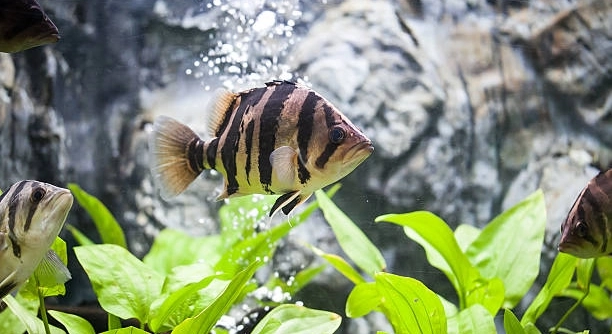
Tiger Barbs are popular freshwater fish loved for their bright colors and active behavior. Many fishkeepers enjoy watching them swim in community tanks. Sometimes, these small fish surprise owners by growing larger than expected.
Tiger Barbs can grow larger than often assumed, reaching up to 3 inches in length under ideal conditions. Factors such as diet, tank size, and water quality influence their growth, making it important to provide a suitable environment to support their development.
Knowing the reasons behind their growth can help fishkeepers maintain a healthy tank and avoid surprises when their Tiger Barbs start to grow bigger than planned.
What Affects the Size of Tiger Barbs
Several factors influence how large Tiger Barbs can grow in an aquarium. One key element is their diet. Providing a balanced diet rich in protein and nutrients encourages healthy growth. Overfeeding, however, can cause health problems. Tank size also matters. Smaller tanks tend to limit growth because of space and water quality issues. Water parameters like temperature, pH, and cleanliness are essential as well. Stable, clean water supports their metabolism and overall well-being, allowing them to reach their full size potential. Stress from overcrowding or aggressive tank mates can stunt their growth. Monitoring these conditions and making adjustments can help Tiger Barbs grow to a healthy size without surprises.
Consistent care is the best way to ensure Tiger Barbs grow properly and remain healthy over time.
Understanding these factors will help you create the right environment for your fish to thrive, keeping their growth steady and predictable.
Typical Size Ranges and Growth Expectations
Tiger Barbs usually grow between 2 to 3 inches in length. In some cases, with excellent care and a large enough tank, they may reach closer to 3.5 inches. Most fish sold as juveniles will grow steadily over the first year if conditions are good. Growth slows down as they mature, but proper nutrition and water quality remain important throughout their lives.
Many owners find that their Tiger Barbs grow larger than expected because they provide ample space and a quality diet. It is helpful to research the adult size before purchasing to plan tank size accordingly. Overestimating tank capacity can cause overcrowding and stress. Providing enough room and a balanced diet keeps your fish healthy and allows them to grow naturally without restrictions. Monitoring their growth helps you catch any health issues early, ensuring your Tiger Barbs stay active and vibrant in the long run.
Tank Size and Its Impact on Growth
Tiger Barbs need enough space to swim freely. Small tanks can restrict their growth and cause stress.
A tank that is at least 20 gallons is recommended for a small group of Tiger Barbs. Larger tanks give them room to grow and stay healthy. Crowded or cramped tanks can lead to stunted growth and increased aggression among the fish. It also makes it harder to maintain clean water conditions. Regular water changes and proper filtration become more challenging in smaller tanks, which directly affects fish health and size.
Providing adequate space helps Tiger Barbs develop properly and reduces stress-related problems. This allows them to reach their potential size while maintaining good behavior and overall wellbeing.
Diet and Nutrition for Healthy Growth
Feeding Tiger Barbs a varied and balanced diet supports their growth and health.
A diet with high-quality flakes, pellets, and occasional live or frozen foods like bloodworms or brine shrimp is ideal. Protein is important for muscle development, but it should be balanced with other nutrients. Overfeeding can cause water quality issues and health problems, so feeding small amounts two to three times a day works best. Avoid giving only one type of food to prevent nutritional deficiencies.
Good nutrition combined with clean water helps Tiger Barbs grow steadily and maintain their bright colors. Observing their eating habits and adjusting portions can prevent overeating and ensure they get the nutrients they need without risking water pollution or obesity.
Water Quality and Growth
Clean water is essential for Tiger Barbs’ health and growth. Poor water quality stresses fish and can stunt their development.
Regular water changes and good filtration keep ammonia and nitrate levels low, helping fish stay healthy and grow properly.
How Stress Affects Size
Stress from overcrowding or aggressive tank mates can limit growth. Tiger Barbs are active but can become stressed if space is tight or if they face constant threats. A calm environment helps them grow steadily and stay healthy over time.
Signs Your Tiger Barbs Are Growing Well
Healthy growth includes steady size increase, bright colors, and active swimming behavior. If your fish appear lethargic or have faded colors, these might be signs of stress or poor conditions.
Keeping a regular tank maintenance routine supports good growth and overall wellbeing.
When to Adjust Tank Setup
If your Tiger Barbs start looking cramped or aggressive, it may be time to upgrade the tank or rearrange decorations to give them more space and reduce stress.
FAQ
Can Tiger Barbs live in small tanks?
Tiger Barbs can survive in small tanks, but it’s not ideal for their growth or behavior. A tank smaller than 20 gallons often causes stress and stunts their growth. They need space to swim actively, and overcrowding leads to aggression. Providing at least 20 gallons for a small group helps maintain good water quality and reduces stress, supporting healthier growth and better behavior.
Why do my Tiger Barbs stay small?
If your Tiger Barbs aren’t growing as expected, it might be due to limited space, poor water quality, or insufficient nutrition. Overcrowding and stress also slow growth. Check your tank size, perform regular water changes, and ensure you are feeding them a balanced diet. Improving these conditions usually helps them grow steadily.
How fast do Tiger Barbs grow?
Tiger Barbs grow fastest during their first year. With good care, they can reach about 2 to 3 inches in length within 12 months. Growth slows down after that as they reach maturity. Proper diet, water conditions, and space are crucial during this time for optimal growth.
Can Tiger Barbs grow larger than 3 inches?
While 3 inches is the typical adult size, some Tiger Barbs may grow slightly larger, up to 3.5 inches, in very well-maintained tanks with ideal conditions. However, consistently larger sizes are uncommon. Most fish will stay within the expected range if they have proper care.
What tank mates work best with Tiger Barbs?
Tiger Barbs are semi-aggressive and active swimmers, so tank mates should be fast and able to hold their own. Good companions include danios, barbs, and larger tetras. Avoid slow, long-finned, or very small fish, as Tiger Barbs may nip at them or cause stress.
How often should I feed Tiger Barbs?
Feeding two to three small meals a day works best. Overfeeding can harm water quality and cause health issues. Use high-quality flakes or pellets as a staple diet, with occasional live or frozen treats like bloodworms or brine shrimp to provide variety and extra nutrients.
What water conditions do Tiger Barbs need?
Tiger Barbs prefer water temperatures between 74°F and 79°F, with a pH of 6.5 to 7.5. They thrive in clean, well-filtered water with low ammonia and nitrate levels. Regular water changes are important to keep the environment healthy and support their growth.
How can I tell if my Tiger Barbs are healthy?
Healthy Tiger Barbs swim actively, have bright colors, and show interest in food. They should not display signs of stress like hiding, faded colors, or clamped fins. Regular observation helps catch health problems early, allowing you to adjust tank conditions or care routines as needed.
Do Tiger Barbs need a special diet to grow bigger?
No special diet is required, but a balanced mix of high-quality flakes or pellets and occasional live or frozen foods supports healthy growth. Protein-rich foods help muscle development, while varied nutrition keeps them vibrant and strong.
How important is tank maintenance for growth?
Tank maintenance is crucial. Clean water reduces stress and disease risks, allowing Tiger Barbs to grow properly. Regular water changes, cleaning the substrate, and monitoring water parameters are key parts of keeping a healthy environment for your fish. Neglecting maintenance often leads to poor growth and health problems.
Tiger Barbs are lively and colorful fish that many people enjoy keeping in their home aquariums. Understanding their growth potential helps ensure they stay healthy and happy. While they usually grow to about 2 to 3 inches, they can sometimes get a bit larger when given the right care. Knowing what affects their size, such as tank space, diet, water quality, and stress levels, is important for anyone who wants to keep Tiger Barbs. By paying attention to these factors, you can provide a better environment for your fish and avoid surprises with their growth.
Providing enough space is one of the most important things for Tiger Barbs. Smaller tanks often limit their size and can cause stress, which affects their health. A tank of at least 20 gallons is recommended for a small group, allowing the fish room to swim and grow. Along with tank size, maintaining good water quality through regular cleaning and filtration supports their growth and wellbeing. Feeding a balanced diet with the right nutrients also plays a key role. Overfeeding or giving low-quality food can harm the fish and water conditions, so it is best to feed moderate portions of high-quality flakes, pellets, and occasional live foods.
Finally, watching your Tiger Barbs regularly will help you understand if they are growing well and staying healthy. Signs like bright colors, active swimming, and steady size increase show that they are doing fine. If you notice changes in behavior or appearance, it could be a sign to check the tank conditions or diet. Taking care of Tiger Barbs requires some effort, but the reward is a beautiful and lively group of fish that thrive in your aquarium. By keeping these basic needs in mind, you can enjoy your Tiger Barbs for many years to come.

Hello,
If you enjoy the content that we create, please consider saying a "Thank You!" by leaving a tip.
Every little bit helps us continue crafting quality advice that supports the health, happiness, and well-being of pets around the world, for pets of all shapes, sizes, and species.
We really appreciate the kindness and support that you show us!