
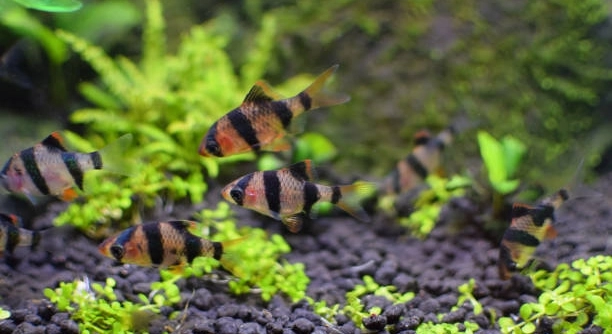
Tiger barbs are popular freshwater fish known for their bright colors and active behavior. Many fish owners enjoy watching them swim, but wonder if these fish can become comfortable with human interaction. Understanding their behavior helps improve care and bonding.
Tiger barbs can gradually get used to human hands with patience and gentle handling. While they are naturally cautious, regular, calm interaction can reduce their fear and increase familiarity over time. Sudden or rough contact may cause stress and avoidance.
Learning how to approach tiger barbs safely enhances the experience of keeping them. This article explains what to expect and how to build trust between you and your fish.
Understanding Tiger Barbs’ Natural Behavior
Tiger barbs are active and social fish that often swim in groups. Their natural instincts make them wary of sudden movements, especially from outside the tank. When a human hand approaches, they may dart away quickly. This reaction is due to their survival instincts, which help protect them from predators in the wild. Consistent, slow movements near the tank can help reduce their stress over time. They also rely on clear water and stable tank conditions to feel secure. Providing plenty of plants and hiding spots gives tiger barbs places to retreat if they feel threatened. Over time, they can learn that human hands are not a danger when handled carefully.
With time and patience, tiger barbs start to recognize familiar movements and can become less fearful. It is important to avoid sudden gestures near the tank to build trust effectively.
Building a calm environment around your tank encourages tiger barbs to accept your presence. Using slow hand movements while feeding can also help them associate hands with positive experiences. Avoid chasing or grabbing them abruptly, as this will reinforce fear. Instead, offer food from your fingers or hold your hand still near the surface to let them approach. If they swim close without hesitation, it shows growing comfort. Keeping a regular feeding schedule supports this routine and helps them feel more secure. This consistent interaction is key for them to adapt gradually to human hands.
Techniques to Help Tiger Barbs Adjust
Handling tiger barbs should be gentle and brief. Avoid grabbing or holding them tightly.
Introducing your hand slowly and calmly over multiple sessions helps tiger barbs adjust. Place your hand near the tank surface and stay still. Over time, they may approach out of curiosity. Using feeding as a reward encourages them to come closer. It is best to limit handling outside the tank, as fish stress easily. Always wash your hands before and after to avoid contamination. If your fish shows signs of stress, like frantic swimming or hiding, give them space and try again later. Patience and respect for their natural instincts are essential when getting them used to human interaction. Gradual exposure is more effective than force.
Consistent, gentle methods support tiger barbs in becoming comfortable with human hands. Respect for their behavior and environment is crucial to avoid stress and injury. Frequent calm sessions build trust and allow them to feel safe. Avoid forcing contact or sudden movements, as this can reverse progress. Some tiger barbs may never fully tolerate hands, but most show improvement with steady care. Observing their reactions helps determine when to slow down or proceed. Creating positive associations with your presence ensures better long-term interaction and a healthier tank environment.
Signs Tiger Barbs Are Getting Used to Your Hands
Tiger barbs that become comfortable with human hands often show calmer behavior near the tank surface. They may swim closer when you place your hand in the water or linger near feeding times without darting away. These signs indicate growing trust and reduced stress.
Calm swimming and less sudden movement are good indicators. When tiger barbs come near your hand without hiding, it shows they are associating your presence with safety. You might notice them following your hand slowly or even nibbling food from your fingers. They may stop hiding behind plants or decorations during feeding. These behaviors suggest they recognize you as a non-threat and feel more secure.
It’s important to observe their body language closely. Flared fins or quick darting still signal stress. However, relaxed swimming and normal coloration are positive signs. Over time, these behaviors reflect their adjustment to gentle human interaction and their comfort level.
Tips to Make Tiger Barbs Comfortable with Handling
Avoid grabbing tiger barbs suddenly; slow and gentle movements are essential. Frequent but brief hand exposure helps reduce fear and builds familiarity gradually.
Use feeding times to encourage close contact. Offering food by hand teaches them to associate your presence with positive experiences. Keep your hand steady and avoid quick motions. Also, keep the water clean and maintain proper tank conditions to reduce overall stress. If they shy away, give them time before trying again. Consistency matters more than speed. Gradual, calm interaction is the key to gaining their trust without causing harm or fear. Avoid overhandling, which can lead to stress or injury.
Respecting the fish’s natural behavior helps foster better interactions. Patience and gentle care improve their comfort with your hands, making your relationship with the fish more rewarding and less stressful for both sides.
Common Mistakes When Handling Tiger Barbs
Handling tiger barbs too quickly can cause stress and injury. Sudden movements or grabbing them out of the water may scare the fish and damage their delicate fins.
Overhandling is another frequent mistake. Frequent or prolonged contact increases their stress levels and weakens their immune system, making them more prone to illness.
Using Hands for Tank Maintenance
Using your hands during tank cleaning requires caution. Always move slowly to avoid startling the fish and wear clean, residue-free hands to protect water quality.
Health Risks of Handling Tiger Barbs
Handling fish can transfer harmful bacteria between humans and fish. Proper hand hygiene before and after contact minimizes this risk.
Alternatives to Handling Tiger Barbs
Instead of direct contact, use nets or feeding tools for interaction. This reduces stress and protects the fish’s health.
Can tiger barbs really get used to human hands?
Yes, tiger barbs can get used to human hands with time and gentle interaction. They are naturally cautious fish but can learn to associate your hand with feeding or calm presence. This reduces their fear and helps them accept slow, careful contact without stress.
How long does it take for tiger barbs to become comfortable?
The time varies depending on the fish and the consistency of handling. Some may show signs of comfort in a few weeks, while others take longer. Regular, calm interactions and patience are essential. Avoid rushing the process to prevent causing stress or fear.
Is it safe to touch tiger barbs regularly?
Touching tiger barbs is generally not recommended unless necessary. Their protective slime coat can be damaged by frequent handling, which increases the risk of infections. Use gentle, brief contact only when needed, such as during tank maintenance or medical treatment.
What should I do if my tiger barbs seem scared of my hands?
If your tiger barbs react by darting or hiding, slow down your movements near the tank. Reduce hand exposure for a few days and return with gentler, shorter sessions. Use feeding by hand to create positive associations and rebuild trust gradually.
Can I train tiger barbs to eat from my hand?
Yes, feeding by hand is one of the best ways to build familiarity. Hold food between your fingers near the water surface and remain still. Over time, the fish will link your hand to food and come closer, showing reduced fear.
Are there risks involved in handling tiger barbs?
Handling can stress fish and damage their slime coat, making them vulnerable to diseases. There is also a risk of transferring bacteria between humans and fish. Always wash hands before and after contact and minimize handling frequency.
What is the best way to introduce my hand to tiger barbs?
Introduce your hand slowly by placing it gently near the water surface and remaining still. Avoid sudden movements. Repeat this often but briefly. Combine this with feeding times to encourage positive behavior and increase comfort levels.
Should I use gloves when handling tiger barbs?
Wearing gloves can protect both you and the fish if you need to handle them. Use powder-free, fish-safe gloves to avoid contaminating the water. Gloves also help prevent transferring oils or chemicals that could harm the fish.
How do I know if my tiger barbs are stressed from handling?
Signs of stress include rapid darting, hiding, loss of color, and clamped fins. If these behaviors increase after hand contact, reduce handling frequency and improve tank conditions. Provide hiding spots and maintain clean water to help fish recover.
Can tiger barbs become tame like other pets?
Tiger barbs are fish with limited capacity for tameness compared to mammals or birds. While they can recognize and become less fearful of humans, they remain wild animals with natural instincts. Respecting their nature is key to positive interaction.
Is it necessary to handle tiger barbs for regular care?
Handling is rarely necessary for everyday care. Most tasks like feeding, tank cleaning, and observation can be done without direct contact. Only handle fish during health checks, treatments, or tank moves to minimize stress.
What alternatives exist to direct handling?
Use nets or containers for moving fish safely. Feeding tools like pipettes or feeding rings help avoid direct contact while still engaging the fish. These methods reduce stress and protect the fish’s health.
How can I make hand feeding safe and comfortable?
Always wash hands thoroughly before feeding to remove oils and chemicals. Offer small amounts of food and keep your hand still. Stop if fish show signs of stress. Consistency and calmness make hand feeding a positive experience.
What if my tiger barbs never seem to get used to hands?
Not all fish adapt to human contact. If your tiger barbs remain skittish, continue providing a stable, stress-free environment without forcing interaction. Focus on their health and well-being rather than handling.
Can handling affect the health of tiger barbs long term?
Repeated handling can weaken fish by damaging their protective slime coat and causing stress. Stress reduces immunity, making infections more likely. Limiting contact and maintaining good tank conditions supports their long-term health.
Tiger barbs are lively and colorful fish that bring energy to any aquarium. Their natural behavior makes them cautious around sudden movements, including human hands. While it is possible for them to get used to gentle and calm interaction, it requires patience and respect for their instincts. Forcing contact or handling them too often can cause stress and harm. It is important to observe their reactions and adjust your approach accordingly. Gradual exposure combined with feeding can help build trust over time, but not all tiger barbs will become comfortable with hands. Each fish has its own personality and limits.
Providing a safe and stable environment is essential for tiger barbs to feel secure. Clean water, proper tank conditions, and plenty of hiding spots reduce stress and improve their overall health. When you do interact with your fish, keep movements slow and deliberate. Using your hand for feeding is one of the most effective ways to help tiger barbs associate humans with positive experiences. However, it is better to avoid frequent handling to protect their delicate slime coat, which acts as a natural barrier against disease. Proper hand hygiene before and after any contact is important to maintain water quality and prevent the transfer of bacteria.
In the end, building a relationship with tiger barbs is about patience and care rather than forcing interaction. Understanding their natural behavior and needs helps create a peaceful tank environment where they can thrive. Whether or not they become comfortable with human hands, the focus should always be on their well-being. Appreciating tiger barbs for their lively personalities and unique characteristics enriches the experience of keeping them. With thoughtful care, your fish can live healthy, active lives, making your aquarium a pleasant and rewarding space.

Hello,
If you enjoy the content that we create, please consider saying a "Thank You!" by leaving a tip.
Every little bit helps us continue crafting quality advice that supports the health, happiness, and well-being of pets around the world, for pets of all shapes, sizes, and species.
We really appreciate the kindness and support that you show us!