
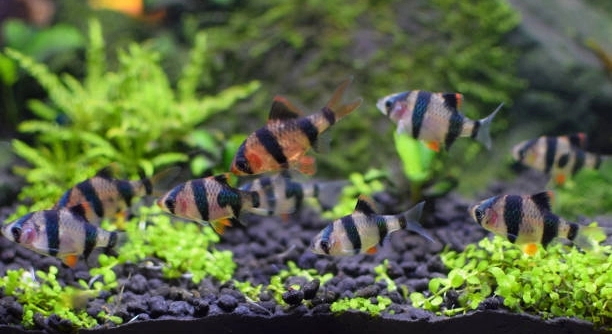
Tiger Barbs are popular freshwater fish often kept in home aquariums. Their lively behavior and bright colors make them a favorite among hobbyists. Many aquarium owners enjoy adding plants to create a natural and healthy environment for these fish.
Tiger Barbs can show territorial behavior over plants, especially during breeding or when they feel crowded. They may chase or nip at other fish near their chosen plants to defend their space and resources.
Understanding Tiger Barbs’ interactions with plants helps maintain a balanced aquarium and keeps your aquatic community peaceful and thriving.
Why Tiger Barbs Protect Plants
Tiger Barbs often protect plants because these areas serve as their safe zones. Plants provide shelter, hiding spots, and places to rest away from other fish. When the tank is crowded, Tiger Barbs become more defensive of these spaces. They may chase other fish away to keep control of their preferred area. This behavior is more common during breeding seasons, when males want to guard their territory for spawning. Plants also act as boundaries that help establish social order within the tank. When fish feel stressed or threatened, they rely on these territories to feel secure. Understanding this behavior helps tank owners provide enough space and plants to reduce conflicts. Using sturdy plants can also withstand occasional nips or chasing. Observing how your Tiger Barbs interact with plants can give clues about their comfort levels and social dynamics in the aquarium. This knowledge is key to maintaining peace in your tank.
Tiger Barbs defend plants mainly to protect their personal space and feel secure in their environment.
Proper tank setup with enough plants and space reduces territorial aggression and keeps fish calm and healthy.
How to Manage Territorial Behavior Over Plants
Providing plenty of plants and hiding spots lowers competition among Tiger Barbs. Adding fast-growing and hardy plants can satisfy their need for shelter. Spread plants evenly across the tank so no single area feels overcrowded. Using decorations like rocks or driftwood also creates separate zones, which helps reduce tension. Avoid placing too many fish in a small tank, as this causes stress and increases territorial behavior. Regular tank maintenance keeps the environment clean, which improves fish health and reduces aggressive tendencies. Sometimes rearranging plants can disrupt established territories, resetting the social balance. If aggression persists, consider separating overly aggressive individuals. Feeding fish well with a balanced diet helps lower stress and aggression. Watching your fish daily allows early detection of problematic behavior, helping you make timely adjustments for a peaceful aquarium.
Managing territories requires thoughtful tank design, plant placement, and proper care to create a calm environment.
Careful observation and adjustments help ensure all fish share the space comfortably without constant conflict.
Signs Tiger Barbs Are Being Territorial
Territorial Tiger Barbs will often chase other fish away from plants. They may nip fins or show aggressive postures near their claimed spots. Watching these behaviors helps identify when plants are a source of conflict.
Aggression over plants usually shows as repeated chasing or biting. Fish guard specific plants by swimming close and blocking others. This can cause stress for less dominant fish, leading to hiding or injury. Sometimes, the dominant fish flares its fins and displays bright colors to assert control. These behaviors may increase if the tank is crowded or lacks enough hiding spots. Observing these signs early helps prevent serious fights and keeps all fish healthier.
Aggression may also cause damage to plants, as fish nip or uproot them. Monitoring plant condition along with fish behavior offers clues to territorial issues. Providing more plants or rearranging them can reduce fights and stress in the aquarium.
Plant Choices That Help Reduce Aggression
Choosing sturdy plants that tolerate nibbling can minimize damage from territorial Tiger Barbs. Plants like Java Fern, Anubias, and Vallisneria are good options. These plants survive better under fish activity and add natural cover.
Dense planting creates more hiding places and breaks sightlines, lowering aggression. When fish have multiple spots to retreat or claim, they compete less over one area. Floating plants also soften light and add layers, helping fish feel secure. Avoid delicate plants that tear easily or require constant care, as they may increase stress for both fish and keeper. A well-planted tank promotes a balanced environment, supporting peaceful fish behavior and healthy growth for plants. This balance benefits the whole aquarium community.
How Tank Size Affects Territorial Behavior
Smaller tanks often increase territorial aggression among Tiger Barbs. Limited space makes it harder for fish to avoid each other.
Larger tanks reduce competition by providing more room and hiding spots. Space helps fish establish separate territories peacefully.
Feeding and Territorial Aggression
Well-fed Tiger Barbs tend to be less aggressive. Hunger can trigger competition and fights over territory. Regular, balanced feeding helps lower stress and territorial disputes, creating a calmer environment.
Rearranging Plants to Reduce Conflicts
Changing the layout of plants disrupts established territories. This reset helps reduce ongoing fights and territorial claims. Rearranging plants regularly can keep the social order balanced.
Observing Your Fish’s Behavior
Watching how your Tiger Barbs interact daily reveals their comfort levels. Early observation helps address problems before they escalate.
FAQ
Can Tiger Barbs live peacefully with other fish despite being territorial over plants?
Yes, Tiger Barbs can coexist peacefully with other fish if the tank is large enough and well-planted. Providing plenty of space and hiding spots reduces competition over territory. Avoid overcrowding, and select tank mates that are equally active and can handle the Barbs’ occasional nipping.
How can I tell if Tiger Barbs are stressing out my plants?
Look for torn leaves, uprooted plants, or excessive nibbling. Tiger Barbs may nip at plants when defending territory or exploring their environment. Sturdy plants and dense planting help protect fragile greenery from damage and provide refuge for fish.
Do Tiger Barbs only get territorial during breeding?
Territorial behavior often increases during breeding because males protect their spawning sites, but it can also happen anytime the tank is crowded or stressed. Dominance hierarchies may form, leading to territorial displays regardless of breeding activity.
What types of plants are best for tanks with Tiger Barbs?
Hardy plants like Java Fern, Anubias, and Vallisneria work well. These plants tolerate nibbling and rough treatment. Floating plants also help by creating shaded areas and visual barriers, lowering aggression and stress.
Can rearranging plants reduce aggression among Tiger Barbs?
Yes, rearranging plants disrupts established territories and social orders. This forces fish to reset their boundaries, often reducing aggressive behavior. Regular changes to the layout can help maintain peace in the tank.
Is a larger tank necessary to prevent territorial behavior?
A larger tank provides more space for fish to spread out and claim separate territories, reducing conflicts. Small tanks limit space and increase stress, which can escalate aggressive behavior among Tiger Barbs.
How often should I feed Tiger Barbs to minimize aggression?
Feed Tiger Barbs small amounts multiple times a day to keep them satisfied. Hunger can increase competition and territorial behavior. A balanced diet helps maintain calm and healthy fish.
What should I do if one Tiger Barb becomes overly aggressive?
If aggression becomes severe, consider separating the aggressive fish or adding more plants and hiding spots to diffuse tension. Sometimes, introducing new tank mates or rearranging decorations can change social dynamics and lower aggression.
Can territorial behavior cause harm to other fish?
Yes, aggressive chasing and nipping can injure less dominant fish. Continuous stress from territorial disputes can weaken immune systems, making fish more prone to illness. Managing tank conditions and fish numbers helps prevent harm.
Are there signs that territorial behavior is harming my aquarium environment?
Damaged plants, stressed or hiding fish, and frequent chasing are signs of territorial problems. Watching your tank closely helps catch issues early. Adjusting the environment or fish population can restore balance and harmony.
Do Tiger Barbs defend territory only around plants?
While plants are common focal points for territorial defense, Tiger Barbs may also claim areas around decorations or specific tank zones. Any feature that provides shelter or acts as a boundary can become part of their territory.
Can adding more plants stop territorial aggression completely?
Adding more plants helps reduce but may not eliminate territorial behavior. Fish naturally establish social hierarchies. Plants and tank size play key roles in minimizing conflicts but cannot fully stop all aggression.
Is it normal for Tiger Barbs to nip at plants and other fish?
Some nibbling at plants is normal as they explore or defend territory. Light nipping at other fish is also typical but should not be constant or severe. Excessive aggression indicates stress or overcrowding.
How does water quality affect territorial behavior?
Poor water quality increases stress, making fish more aggressive and territorial. Maintaining clean, stable water conditions supports calmer behavior and better health. Regular testing and water changes are essential.
Are there tank mates that help reduce territorial behavior in Tiger Barbs?
Choosing active, similarly sized fish can distract Tiger Barbs and reduce their focus on territory. Avoid small, slow-moving species that may become targets. Fish that occupy different tank levels can also help lower conflict.
These answers provide practical guidance to manage Tiger Barbs’ territorial tendencies and create a healthier, more peaceful aquarium environment.
Tiger Barbs are lively and colorful fish that add energy to any aquarium. Their natural behavior includes defending certain areas, especially around plants, where they feel safe and secure. Understanding this territorial instinct is important for anyone keeping Tiger Barbs. It helps in creating an environment that meets their needs while reducing conflicts within the tank. Providing enough space, plants, and hiding spots allows these fish to express their natural behaviors without stressing other tank inhabitants.
Territorial behavior in Tiger Barbs is not unusual and often depends on factors like tank size, population, and plant coverage. When space is limited or plants are sparse, aggression tends to increase because fish compete for the best spots. By carefully choosing sturdy plants and spreading them evenly, you can reduce these conflicts. Keeping the tank clean and feeding the fish well also plays a key role in lowering stress and aggression. Simple steps like rearranging plants occasionally can help break up established territories and keep peace in the aquarium.
Ultimately, managing Tiger Barbs’ territorial nature requires patience and observation. Watching how your fish interact with each other and their environment lets you make informed changes to improve their well-being. Adjusting tank layout, adding plants, and monitoring water quality all contribute to a calmer, healthier tank. With the right care, Tiger Barbs can coexist peacefully with other fish and thrive in a planted aquarium. Understanding and respecting their behavior is the key to enjoying these active fish for years to come.

Hello,
If you enjoy the content that we create, please consider saying a "Thank You!" by leaving a tip.
Every little bit helps us continue crafting quality advice that supports the health, happiness, and well-being of pets around the world, for pets of all shapes, sizes, and species.
We really appreciate the kindness and support that you show us!