
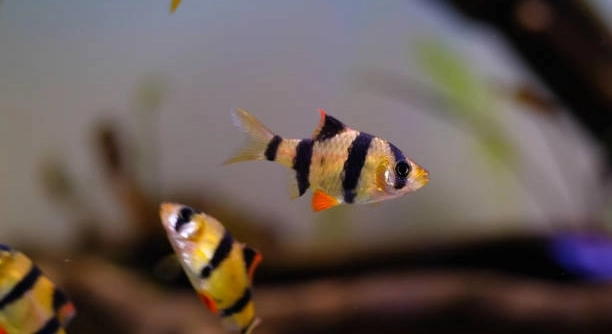
Tiger barbs are popular aquarium fish known for their lively behavior and vibrant colors. Many aquarists enjoy decorating their tanks to create an engaging environment for these fish. Understanding how tiger barbs interact with their surroundings helps improve their care.
Tiger barbs do not experience boredom in the way humans do, but they benefit from varied and stimulating environments. Changing decorations and adding new elements can encourage natural behaviors and reduce stress, promoting overall well-being in captive fish.
Providing an engaging tank setup supports healthier, more active tiger barbs, making it important to consider their environment carefully.
Understanding Tiger Barbs’ Behavior Around Decorations
Tiger barbs are active fish that enjoy exploring their environment. They often swim around decorations, using plants, rocks, and ornaments as hiding spots or boundaries within the tank. This activity helps them feel secure and less stressed. When decorations remain unchanged for long periods, tiger barbs might show less interest and reduce their activity levels. It is not boredom as humans feel it, but a lack of new stimuli that can lead to less vibrant behavior. Changing or rearranging tank decorations can encourage exploration and keep their environment lively. This can mimic the natural variations they would experience in the wild. Decorations also serve a practical purpose by helping to reduce aggression, as tiger barbs can claim territories or find shelter during social disputes. Regularly assessing the tank setup and adjusting decorations helps maintain a balanced and stimulating habitat.
Consistent changes in their environment help maintain tiger barbs’ interest and promote natural activity.
Incorporating a variety of decorations is beneficial, but it is important to keep the tank safe and avoid overcrowding. Plants with broad leaves, caves, and smooth stones provide diverse textures and hiding places. Avoid sharp or rough objects that might injure the fish. Rearranging decorations every few weeks can prevent stagnation without causing excessive stress. Introducing floating plants or adding background elements can create new visual interest. A good balance between open swimming space and hiding spots supports their energetic nature and social behaviors. Observing how tiger barbs interact with changes can guide future adjustments. Maintaining cleanliness and proper tank conditions is essential to complement environmental enrichment. With thoughtful decoration management, tiger barbs remain engaged and healthier, making their tank a dynamic and enjoyable habitat.
Signs Tiger Barbs May Need Change
Reduced activity or hiding excessively can indicate a lack of stimulation.
If tiger barbs seem listless or uninterested in their surroundings, it’s time to refresh the tank layout.
When tiger barbs stop exploring and prefer staying in one spot, it can suggest their environment feels too familiar or dull. These fish naturally thrive on movement and interaction with their surroundings. Over time, static decorations lose their appeal and fail to encourage natural behaviors like chasing or schooling. Adding new decorations or shifting existing ones can reinvigorate their interest. Changes don’t need to be drastic; even small rearrangements can make a difference. Additionally, introducing live plants or different substrates offers fresh textures and cover. Attention to lighting can also enhance their environment, as tiger barbs respond well to moderate lighting that mimics their natural habitat. Consistent monitoring helps detect these subtle changes in behavior early. Maintaining a stimulating environment reduces stress and supports healthier, more active fish overall.
How Often to Change Decorations
Changing decorations too often can stress tiger barbs. A schedule of every few weeks or monthly is usually enough. This allows them to adjust and stay engaged without feeling unsettled by constant changes.
Frequent changes can disrupt established territories and increase aggression among tiger barbs. These fish are social and need time to become familiar with their surroundings. When decorations are rearranged too often, it may cause confusion and stress, leading to health problems. Instead, aim for gradual changes that keep the environment interesting. Swapping a few elements at a time or moving decorations slightly can provide enough stimulation. This approach balances novelty with stability, which is important for tiger barbs to thrive.
It’s best to observe how the fish react to changes. If aggression rises or hiding increases, slow down the pace. The goal is to keep their environment stimulating but safe. Well-timed changes promote natural behavior without causing unnecessary stress.
Types of Decorations That Keep Tiger Barbs Engaged
Natural plants and smooth rocks create safe, stimulating environments. They offer hiding spots and mimic the tiger barbs’ natural habitat well.
Plastic ornaments can add color but may not provide the same comfort as live plants. Live plants help improve water quality and create a more dynamic setting. Driftwood and caves also offer great shelter and territorial boundaries. Avoid sharp or rough decorations to prevent injury. Mixing different textures and heights encourages exploration and activity. A well-balanced combination keeps tiger barbs curious and active.
Providing varied decorations supports natural behaviors such as schooling and hiding. Changing lighting or adding floating plants can enhance their environment further. The goal is to keep the tank both visually appealing and functional for the fish. This variety helps maintain their health and happiness over time.
The Role of Lighting in Tank Decoration
Lighting affects how tiger barbs perceive their environment. Proper lighting highlights decorations and encourages natural activity.
Too bright or harsh lighting can stress tiger barbs. Soft, natural lighting works best to keep them comfortable and active.
How to Safely Rearrange Decorations
When moving decorations, remove fish temporarily if possible or move slowly to avoid sudden disturbances.
Rearranging should be gradual, changing only a few items at once. This minimizes stress and helps fish adapt smoothly.
Impact of Overcrowding Decorations
Too many decorations reduce swimming space and increase stress among tiger barbs.
Overcrowding can lead to territorial disputes and aggressive behavior. Keeping a balance between decoration and open space is key for healthy fish.
FAQ
Can tiger barbs live without decorations?
Tiger barbs can survive without decorations, but their environment would be less stimulating. Decorations provide hiding spots and areas for exploration, which help reduce stress and encourage natural behaviors. Without these, tiger barbs might become less active and show signs of discomfort over time.
How often should I clean the decorations?
Cleaning decorations once every two to four weeks is usually enough. Algae buildup and debris can affect water quality, so regular cleaning helps maintain a healthy tank environment. Use gentle methods like soft brushes and avoid harsh chemicals to protect the fish and plants.
Do tiger barbs prefer live plants or artificial ones?
Tiger barbs generally benefit more from live plants because they improve water quality and offer natural hiding places. However, artificial plants can also provide cover and decoration if live plants are difficult to maintain. The key is to avoid sharp edges and rough materials in any decoration.
What are the best materials for decorations in a tiger barb tank?
Smooth rocks, driftwood, and live plants are ideal because they mimic the natural habitat and are safe for the fish. Avoid sharp or rough decorations that could injure tiger barbs. Plastic ornaments can add color but should be chosen carefully to avoid toxicity or harmful edges.
Will changing decorations upset tiger barbs?
Sudden or frequent changes may cause stress and increase aggression. It is best to rearrange decorations gradually and not too often. Observing how the fish respond to changes helps in deciding the right timing and extent of rearrangement.
Can tiger barbs get aggressive because of decorations?
Yes, decorations can influence aggression. Too few hiding spots or overcrowded tanks can lead to territorial disputes. Providing enough shelters and space to swim reduces aggression by allowing tiger barbs to establish their own territories comfortably.
How can I tell if my tiger barbs are bored?
While fish don’t experience boredom like humans, signs of low stimulation include reduced activity, hiding more than usual, and loss of vibrant colors. Adding new decorations or rearranging the tank can encourage natural behaviors and improve their overall well-being.
Is it necessary to change the tank layout often?
Regular changes every few weeks or monthly keep the environment interesting without causing stress. Small adjustments are enough to maintain stimulation. Too frequent or drastic changes can upset the fish, so balance is important.
What types of decorations should I avoid?
Avoid sharp, rough, or toxic decorations. These can injure tiger barbs or pollute the water. Also, steer clear of overcrowding the tank with too many decorations, which limits swimming space and increases stress.
Do tiger barbs use decorations for social behavior?
Yes, decorations help tiger barbs form territories and provide shelter during social interactions. They also encourage schooling behavior by creating areas to explore and hide together. Proper decoration supports their natural social structure and reduces conflict.
Tiger barbs are lively fish that benefit from a well-decorated tank. Decorations play an important role in providing stimulation and comfort. They offer places to hide, explore, and establish territories. Without these elements, tiger barbs may become less active and show signs of stress. Creating an environment that balances decorations and open swimming space helps keep them healthy and engaged. Changing decorations periodically adds new interest but should be done carefully to avoid upsetting the fish. A thoughtful approach to tank design supports their natural behaviors and overall well-being.
It is important to consider the types of decorations used in a tiger barb tank. Natural items like smooth rocks, driftwood, and live plants are ideal. These materials are safe and mimic their natural habitat. Artificial decorations can be used but should be free of sharp edges and made from non-toxic materials. Overcrowding the tank with too many decorations reduces swimming space and can increase aggression. Providing a variety of hiding spots and open areas encourages social interaction and reduces stress. Monitoring the fish’s behavior helps to determine if the environment is suitable or needs adjustment.
Maintaining a clean and stable tank environment complements good decoration choices. Regular cleaning of decorations prevents algae buildup and helps keep the water quality high. Lighting should be moderate, avoiding harsh or very bright conditions that can cause stress. Gradual changes to the tank layout keep tiger barbs interested without causing confusion or aggression. Observing the fish closely will reveal if they are comfortable or showing signs of discomfort. Overall, a balanced, safe, and stimulating habitat promotes the health and happiness of tiger barbs in captivity.

Hello,
If you enjoy the content that we create, please consider saying a "Thank You!" by leaving a tip.
Every little bit helps us continue crafting quality advice that supports the health, happiness, and well-being of pets around the world, for pets of all shapes, sizes, and species.
We really appreciate the kindness and support that you show us!