
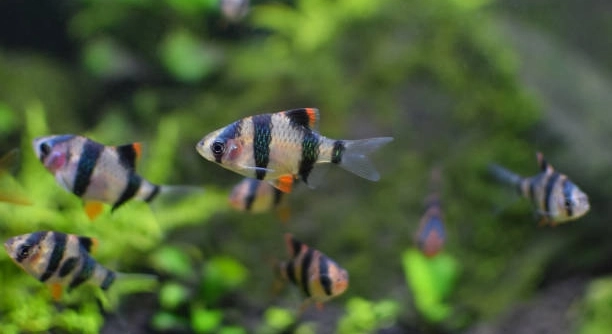
Many aquarium owners enjoy keeping tiger barbs because of their lively behavior and striking colors. These fish are often seen swimming actively in tanks, drawing attention with their energetic movements. Tank setups can vary, but some are kept bare without plants or decorations.
Tiger barbs can experience boredom in bare tanks due to the lack of stimulation and hiding places. Environmental enrichment is important to promote natural behaviors and reduce stress in these active fish. Bare tanks may limit their engagement and well-being.
Understanding how tank environments affect tiger barbs will help you create a more suitable home for them. This article explores the effects of bare tanks and offers insights to improve their quality of life.
Why Tiger Barbs Need Enrichment
Tiger barbs are naturally active and social fish that thrive in environments offering stimulation. In the wild, they swim through plants, rocks, and various hiding spots, which keep them engaged. Without these elements, their behavior can change. In bare tanks, fish may become restless, show signs of stress, or even act aggressively toward tank mates. Adding plants, decorations, and hiding places encourages natural swimming patterns and exploration. This enrichment supports their mental and physical health. It also helps reduce boredom, which can lead to destructive behaviors. Watching tiger barbs interact with their environment is more enjoyable when they have objects to explore and places to retreat. Creating a varied tank environment benefits the fish and enhances the aquarium’s visual appeal. Enrichment is not just for larger species; even small, active fish like tiger barbs require stimulation to stay healthy and content.
Bare tanks limit natural behavior and can negatively affect tiger barbs’ well-being over time.
Building a stimulating habitat with diverse elements supports their health and promotes more natural behavior patterns.
Signs of Boredom in Tiger Barbs
When tiger barbs are bored, they often display repetitive swimming or pacing along tank walls. This behavior indicates a lack of engagement with their environment. You might notice less interaction with other fish or reduced activity overall. Sometimes, boredom can cause aggression or fin nipping among tank mates. Fish may also hide more if stressed, even without obvious threats. These signs show a need for environmental improvements. Observing your fish closely helps detect boredom early and allows you to take steps to enrich their tank. Simple additions like plants, rocks, or driftwood provide new places to explore and rest. Changing the tank layout periodically can also renew interest. Addressing boredom prevents health issues related to stress and promotes a happier, livelier aquarium. Regular tank maintenance paired with enrichment supports the long-term welfare of your tiger barbs.
Tank Setup Recommendations
A well-decorated tank can keep tiger barbs active and reduce stress. Including live plants and hiding spots is essential.
Using a mix of plants, rocks, and driftwood creates varied spaces for exploration and shelter. These elements mimic their natural environment, encouraging natural behaviors and reducing aggression. Plants like Java fern or Anubias are hardy and provide good cover. Arrange decorations to create open swimming areas alongside hiding spots. This balance allows tiger barbs to feel secure while still having room to swim freely. Regularly changing the layout slightly can also stimulate curiosity and activity. Avoid overcrowding the tank with decorations, which can limit movement and increase territorial behavior.
Lighting and water conditions should also be considered. Moderate lighting helps plants thrive and keeps fish comfortable. Maintaining proper temperature and water quality supports overall health. Regular water changes and a stable environment further reduce stress and promote a lively tank atmosphere. These combined efforts ensure your tiger barbs stay healthy and engaged.
Feeding and Interaction Tips
Feeding varied diets helps keep tiger barbs interested and healthy. Use high-quality flakes, pellets, and occasional live or frozen foods.
Feeding in small amounts multiple times a day encourages natural foraging behaviors. Scattering food or using feeding rings can slow down feeding and add stimulation. Interacting with your fish by gently tapping the tank or moving your hand nearby can increase their activity. Avoid overfeeding, which causes water quality issues and lethargy. Observing how your fish respond to different foods and interactions helps tailor care to their needs. Maintaining a routine also reduces stress and supports natural behaviors.
Common Mistakes to Avoid
Keeping tiger barbs in a bare tank without enrichment is a common mistake. It limits their natural behaviors and increases stress.
Overcrowding the tank or adding incompatible species can cause aggression and anxiety. Proper space and compatible tank mates are essential for a peaceful environment.
How to Monitor Your Tiger Barbs’ Behavior
Regular observation of your tiger barbs helps identify changes in activity, eating habits, or social interactions. These signs indicate their well-being and tank conditions. Watching their daily behavior ensures timely adjustments to their environment and care routines.
Importance of Tank Maintenance
Maintaining clean water and stable conditions is crucial. Regular water changes and filter cleaning reduce toxins and keep fish healthy. Proper tank upkeep supports the environment needed for tiger barbs to thrive.
How can I tell if my tiger barbs are bored?
Boredom in tiger barbs often shows through repetitive swimming, such as pacing along tank edges. You might see less interaction with other fish or increased aggression like fin nipping. Sometimes, they hide more than usual, which can be a stress sign. Monitoring changes in behavior is key to recognizing boredom early.
Is a bare tank harmful to tiger barbs?
A bare tank lacks environmental stimulation, which can lead to stress and boredom for tiger barbs. Without plants, rocks, or decorations, these fish miss out on hiding spots and exploration areas. Over time, this can negatively impact their mental and physical health.
What are the best plants for tiger barb tanks?
Hardy plants like Java fern, Anubias, and Cryptocoryne work well. They tolerate a range of water conditions and offer hiding spaces. These plants don’t require intense lighting, making them easy to maintain. Live plants also improve water quality, benefiting the fish.
Can tiger barbs live with other fish in a bare tank?
Tiger barbs are semi-aggressive and need enough space to avoid conflicts. In a bare tank, lack of hiding places increases aggression risks. It’s better to provide decorations and plants to reduce stress and allow peaceful coexistence with compatible species.
How often should I rearrange the tank?
Changing the tank layout every few weeks or months can stimulate curiosity. Avoid frequent drastic changes, as they can stress fish. Small adjustments like moving plants or decorations help keep the environment engaging without causing anxiety.
What foods help keep tiger barbs active?
A varied diet including high-quality flakes, pellets, live or frozen foods keeps tiger barbs interested. Feeding in small portions multiple times daily encourages natural foraging. Avoid overfeeding to prevent water issues and inactivity.
How important is lighting for tiger barb tanks?
Moderate lighting supports plant growth and maintains fish health. Too bright or too dim light can stress fish or inhibit plant health. Using a timer helps keep a consistent day-night cycle, which supports natural fish rhythms.
Can boredom affect tiger barbs’ health?
Yes, boredom can lead to stress, weakened immune systems, and aggressive behavior. Prolonged lack of stimulation can reduce lifespan. Providing a stimulating environment is important for their overall health and well-being.
Is it necessary to add hiding spots in a small tank?
Even in smaller tanks, hiding spots are important. They reduce stress by giving fish places to retreat when feeling threatened. Small caves, plants, or decorations can create these safe areas without overcrowding the tank.
How do I balance decorations and swimming space?
Ensure there is enough open space for swimming while including varied decorations. Overcrowding limits movement and may increase territorial disputes. A good balance supports natural behaviors and keeps fish active and healthy.
Should I change the tank setup if aggression increases?
Yes, increased aggression may mean the environment lacks sufficient hiding places or swimming space. Rearranging the tank or adding plants and decorations can reduce stress and aggression. Adjusting stocking levels and tank mates may also help.
How often should I clean a tank with tiger barbs?
Perform partial water changes weekly or biweekly, depending on tank size and stocking levels. Regular filter maintenance is also important to remove waste and toxins. Clean tanks reduce stress and support healthy fish behavior.
Can I use artificial plants instead of live plants?
Artificial plants provide hiding spots but don’t improve water quality. Live plants offer additional benefits like oxygen production and nutrient absorption. If using artificial plants, ensure they are safe and free of sharp edges.
What tank size is best for tiger barbs?
A minimum of 20 gallons is recommended for a small group of tiger barbs. They are active swimmers and need space to reduce stress and aggression. Larger tanks offer more room for decorations and swimming, promoting healthier behavior.
How many tiger barbs should I keep together?
Keeping tiger barbs in groups of six or more helps spread out aggression. Smaller groups may increase fighting, as individual fish feel more threatened. Larger groups encourage natural schooling behavior and reduce stress.
Do tiger barbs need a specific water temperature?
They thrive in temperatures between 74°F and 79°F. Stable temperatures within this range help maintain metabolism and activity levels. Sudden temperature changes can cause stress and illness.
Is it okay to keep tiger barbs without plants if I add other decorations?
Other decorations like rocks and driftwood provide hiding spots but may not offer the same benefits as plants. Plants improve water quality and create a more natural environment. A combination of both works best for enrichment.
How can I reduce fin nipping in tiger barbs?
Providing enough space, hiding places, and a proper group size reduces aggression and fin nipping. Feeding a balanced diet and maintaining good water quality also help. Avoid keeping them with slow-moving or long-finned fish vulnerable to nipping.
What signs show my tank setup is good for tiger barbs?
Active swimming, healthy appetite, bright coloration, and peaceful interactions indicate a suitable environment. Fish should explore decorations and interact with tank mates calmly. Watching these behaviors confirms a well-maintained habitat.
Are tiger barbs prone to stress in captivity?
Yes, they are sensitive to poor water quality, overcrowding, and lack of stimulation. Stress can cause illness and shorten lifespan. Providing stable conditions and environmental enrichment minimizes stress and supports their health.
Creating a healthy and engaging environment for tiger barbs is essential for their well-being. These fish are naturally active and social, and they require stimulation to stay healthy and happy. A bare tank, while easy to maintain, often lacks the necessary elements to keep tiger barbs mentally and physically engaged. Without plants, decorations, or hiding spots, they can become bored and stressed. This can lead to changes in behavior, including aggression and reduced activity. Providing a tank setup that mimics their natural habitat helps support their natural instincts and promotes a more balanced life.
Enrichment in the tank not only benefits the fish but also improves the overall appearance of the aquarium. Including live plants like Java fern and Anubias, along with rocks and driftwood, creates varied spaces that encourage exploration and resting places. These additions help reduce territorial disputes and aggression by giving tiger barbs places to hide and feel secure. Maintaining proper water conditions, regular tank cleaning, and a consistent feeding routine also contribute to their health. When these factors are combined, tiger barbs show more natural behavior, vibrant colors, and increased activity, making the aquarium more enjoyable to observe.
It is important to monitor your fish closely and be ready to make changes when needed. Signs of boredom or stress should be addressed by adding enrichment or adjusting tank conditions. Remember that tiger barbs are active swimmers who thrive in groups, so a well-planned tank with enough space and suitable companions will reduce problems related to boredom and aggression. By providing a stimulating environment and proper care, you ensure your tiger barbs live a longer, healthier life and remain a lively addition to your aquarium.

Hello,
If you enjoy the content that we create, please consider saying a "Thank You!" by leaving a tip.
Every little bit helps us continue crafting quality advice that supports the health, happiness, and well-being of pets around the world, for pets of all shapes, sizes, and species.
We really appreciate the kindness and support that you show us!