
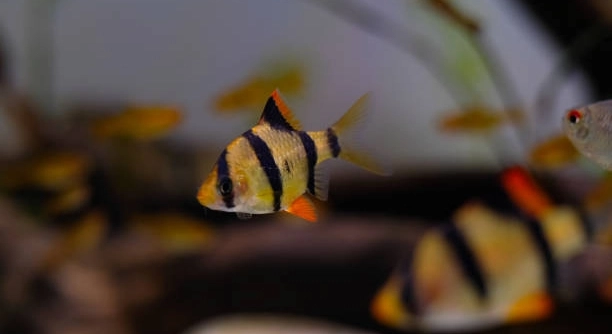
Tiger Barbs are a popular choice for many freshwater aquariums because of their lively nature and striking colors. Many fishkeepers wonder how well these active fish interact with other species in a shared tank. Their social behavior often influences the dynamics of the whole aquarium.
Tiger Barbs can coexist with other fish types, but compatibility depends on the temperament of the tank mates and the environment provided. They may show fin-nipping behavior, so careful selection of peaceful or fast-swimming species is essential to maintain harmony.
Understanding the right tank companions for Tiger Barbs helps create a balanced and peaceful aquarium community. This article will guide you through compatible species and practical care tips for a thriving aquatic environment.
Tiger Barbs’ Temperament and Behavior
Tiger Barbs are known for their energetic and sometimes aggressive behavior. They swim quickly and can be quite boisterous, often chasing other fish around the tank. This can be stressful for more passive or slow-moving species. Their natural instinct to nip fins is more common when they are kept in small groups or alone, as they tend to establish a hierarchy among themselves. Keeping them in groups of six or more helps reduce aggression, as their attention is spread within the group rather than on other tank mates. It’s important to provide plenty of hiding spots and plants to give other fish places to retreat. Knowing this behavior helps in choosing compatible species and setting up the tank to minimize conflicts.
Aggression in Tiger Barbs can be managed with proper group size and tank setup. This ensures a healthier environment for all fish involved.
Creating the right environment with sufficient space and décor keeps the aggression under control. A tank with hiding places reduces stress for more timid species sharing the space. Including fast swimmers like danios or barbs themselves also helps balance the energy levels in the tank. Avoid slow or long-finned fish, which tend to become targets of fin nipping. Consistent water quality and feeding schedules support healthy behavior and reduce stress that may trigger aggression. Observing the tank regularly allows quick action if conflicts arise, preserving harmony. The key is balance—proper stocking, suitable tank mates, and a well-maintained environment create a peaceful community tank with Tiger Barbs.
Best Tank Mates for Tiger Barbs
Choosing suitable tank mates for Tiger Barbs is essential for aquarium peace. Fast, active fish tend to work best.
Compatible species include danios, mollies, and certain types of rasboras. These fish share similar energy levels and swimming habits, reducing the chances of conflict. Avoid slow-moving or delicate fish like angelfish or bettas, as they may become targets of aggression. Keeping fish in appropriate numbers and maintaining good tank conditions are also critical to success. Proper selection ensures the aquarium remains balanced and enjoyable for all its inhabitants.
Selecting tank mates that match Tiger Barbs’ temperament ensures a stable community. The goal is to prevent stress and injuries among fish by avoiding incompatible species and overcrowding. Keeping a diverse but compatible group helps reduce boredom and aggression, promoting natural behaviors and better health. Mixing species with similar activity levels creates a dynamic but peaceful environment. Attention to individual fish personalities and tank size also plays a role. Observing behavior over time helps fine-tune tank composition. A well-planned community tank showcases the best qualities of Tiger Barbs while protecting other fish.
Tank Setup Tips for Tiger Barbs
A well-planned tank setup helps reduce aggression among Tiger Barbs and other fish. Providing plenty of hiding spots with plants and decorations is important. A tank size of at least 30 gallons is recommended for a group of six or more Tiger Barbs.
Creating a natural environment with dense planting and open swimming areas keeps fish active and comfortable. Hardscape elements like rocks and driftwood offer hiding places and break lines of sight, reducing territorial behavior. Using a substrate that supports live plants encourages healthier water conditions. Proper filtration and regular water changes are essential to keep water quality high, preventing stress-related aggression.
Maintaining a stable temperature between 74°F and 79°F supports Tiger Barbs’ health. Moderate lighting mimics their natural habitat, reducing stress. Feeding a varied diet ensures all fish receive proper nutrition, which can lower aggressive tendencies. Grouping Tiger Barbs with enough members allows them to focus on their own social structure rather than other species, making the tank environment more peaceful overall.
Feeding and Care Considerations
Feeding Tiger Barbs a balanced diet supports their energy and reduces aggressive behavior. They require a mix of flakes, pellets, and live or frozen foods.
It is important to feed small amounts multiple times a day to avoid overfeeding and water quality issues. Providing a variety of foods ensures they receive all necessary nutrients, promoting vibrant colors and active behavior. Uneaten food should be removed to prevent pollution. Regular monitoring of feeding habits helps detect illness early, allowing prompt care.
Proper care includes consistent water testing to maintain stable pH and hardness levels. Avoid sudden changes in water parameters, which can stress the fish and increase aggression. Routine tank maintenance combined with proper nutrition helps keep Tiger Barbs healthy and less likely to cause problems with other tank mates. This approach supports a thriving community aquarium.
Signs of Stress in Tank Mates
Stress in tank mates often shows through changes in behavior or appearance. Look for hiding more often, loss of appetite, or faded colors. These signs can indicate the fish are uncomfortable living with Tiger Barbs.
Monitoring fish closely helps catch stress early. Quick action can prevent illness or injury caused by bullying or poor tank conditions.
Managing Aggression Among Tiger Barbs
Aggression can be minimized by keeping Tiger Barbs in larger groups of six or more. This disperses their energy and reduces focus on other fish. Adding plenty of plants and decorations also helps by providing hiding spots and breaking sight lines.
Adjusting feeding routines and tank maintenance supports a calm environment. Regular water changes and a clean tank reduce stress and aggression. Observing fish interactions frequently allows timely intervention when behavior becomes problematic.
Common Mistakes to Avoid
Overcrowding the tank leads to stress and fights. Avoid mixing slow or long-finned fish with Tiger Barbs, as they may become targets.
The Importance of Observation
Watching your fish regularly is essential. It helps detect early signs of problems before they escalate.
FAQ
Can Tiger Barbs live peacefully with other fish?
Tiger Barbs can live peacefully with other fish if the tank is properly set up. Keeping them in groups of six or more helps reduce aggression because they focus on their own social group. Choosing tank mates with similar activity levels and avoiding slow or long-finned fish prevents bullying. Providing plenty of hiding spots and enough space also makes peaceful coexistence more likely.
Why do Tiger Barbs nip at other fish?
Fin nipping is a natural behavior for Tiger Barbs. It often happens when they are kept in small groups or if the tank lacks enough space and hiding places. They nip to establish dominance or relieve boredom. Ensuring a proper group size, plenty of plants, and an engaging environment helps reduce this behavior.
What fish species are best to keep with Tiger Barbs?
Fast, active fish like danios, mollies, and certain types of rasboras are usually good companions. These fish can keep up with Tiger Barbs and are less likely to be targeted. Avoid slow-moving or long-finned fish, such as angelfish or bettas, since they may suffer from fin nipping.
How many Tiger Barbs should be kept together?
A group of at least six Tiger Barbs is recommended. Smaller groups tend to increase aggression as they try to establish hierarchy. Larger groups spread out the energy and reduce focus on other species, creating a more balanced social environment.
What tank size is suitable for Tiger Barbs?
A minimum tank size of 30 gallons is recommended for a group of six or more Tiger Barbs. This provides enough swimming space and room for decorations or plants to reduce aggression and stress.
What kind of tank setup reduces aggression?
A tank with plenty of plants, rocks, and hiding spots helps reduce aggression. These elements break lines of sight and provide places for other fish to retreat. Open swimming areas are also important to accommodate Tiger Barbs’ active nature.
How often should Tiger Barbs be fed?
Feeding small amounts two to three times a day is ideal. Offering a variety of foods such as flakes, pellets, and live or frozen foods keeps their diet balanced and reduces aggressive competition during feeding.
What water conditions do Tiger Barbs prefer?
Tiger Barbs thrive in water temperatures between 74°F and 79°F, with a pH between 6.5 and 7.5. Stable water conditions with regular testing and maintenance are important to prevent stress and maintain health.
Can Tiger Barbs damage plants?
Tiger Barbs are generally peaceful toward plants and do not uproot them aggressively. However, in a very small tank or if they are stressed, they might nibble on some plants. Choosing hardy plants and providing enough space helps avoid this.
How do I know if my Tiger Barbs are stressed?
Signs of stress include hiding frequently, loss of appetite, faded colors, or erratic swimming. Stress can result from poor water quality, overcrowding, or incompatible tank mates. Addressing these factors quickly improves their well-being.
Is it necessary to separate aggressive Tiger Barbs?
If aggression is severe and causes injury, separating the most aggressive individuals may be needed. Sometimes increasing the group size or rearranging the tank décor can calm aggressive behavior without isolation.
Can Tiger Barbs be kept with shrimp or snails?
Tiger Barbs may nip at shrimp, especially smaller species, and can disturb snails. Larger or faster shrimp species might be safer, but there is always some risk. Snails with hard shells usually do better in tanks with Tiger Barbs.
Do Tiger Barbs require special care?
They require standard freshwater tropical fish care with attention to group size, water quality, and tank setup. Providing a balanced diet and monitoring behavior regularly helps keep them healthy and less aggressive.
How long do Tiger Barbs live?
With proper care, Tiger Barbs typically live between 5 and 7 years. Consistent tank maintenance and a good diet contribute to a longer, healthier life.
What should I do if Tiger Barbs nip my other fish?
Check the group size of your Tiger Barbs and increase it if fewer than six. Add more hiding spots and ensure tank mates are fast and active. Improving water quality and feeding routines can also reduce nipping.
Can Tiger Barbs adapt to different water parameters?
They are somewhat adaptable but thrive best in stable, moderate water conditions. Sudden changes in temperature, pH, or hardness can cause stress and increase aggressive behavior.
Is it okay to keep Tiger Barbs with bettas?
Bettas usually do not do well with Tiger Barbs due to their slow swimming and long fins. The aggressive nipping by Tiger Barbs can injure bettas, leading to stress or health problems.
What is the best way to introduce new fish to a tank with Tiger Barbs?
Introduce new fish slowly and watch interactions closely. Adding tank mates during feeding times can distract Tiger Barbs. Quarantining new fish before introduction helps prevent disease spread.
How do Tiger Barbs interact with each other?
Tiger Barbs form a social hierarchy with some chasing and fin nipping within their group. This behavior is natural and less harmful if they are kept in sufficient numbers with enough space.
Can Tiger Barbs be aggressive toward humans?
No, Tiger Barbs do not show aggression toward humans. Their behavior is limited to other fish within the aquarium environment.
Tiger Barbs are lively and colorful fish that bring energy to any community aquarium. Their natural behavior includes some level of aggression, especially fin nipping, which is important to keep in mind when planning a tank. They do best when kept in groups of six or more, as this helps spread out their energy and reduces unwanted attention on other fish. Tank size and setup also play a major role in ensuring that Tiger Barbs live peacefully with other species. Providing enough space, plants, and hiding spots is essential to reduce stress and aggressive behavior. When these conditions are met, Tiger Barbs can coexist with a variety of compatible fish, creating a balanced and dynamic aquarium environment.
Maintaining stable water conditions and a proper diet is another key factor in the well-being of Tiger Barbs. They prefer moderate temperatures and a slightly acidic to neutral pH, which should be kept consistent through regular testing and water changes. Feeding them a varied diet with flakes, pellets, and occasional live or frozen food supports their health and vibrant colors. Overfeeding or poor water quality can increase stress, leading to more aggressive tendencies. Watching the fish closely for signs of stress or injury helps in taking early action to prevent problems. A healthy tank environment encourages better behavior and increases the chances that Tiger Barbs will get along well with other fish.
Overall, successfully keeping Tiger Barbs with other fish depends on understanding their nature and making adjustments to the aquarium setup and care routine. Choosing compatible tank mates, maintaining a suitable group size, and providing an environment that meets their needs creates the best chance for peaceful coexistence. While Tiger Barbs may never be the calmest fish in the tank, proper care and management can minimize conflicts and allow all fish to thrive. Being patient and observant makes a difference, helping you maintain a lively but harmonious aquarium where Tiger Barbs and other species can live together comfortably.

Hello,
If you enjoy the content that we create, please consider saying a "Thank You!" by leaving a tip.
Every little bit helps us continue crafting quality advice that supports the health, happiness, and well-being of pets around the world, for pets of all shapes, sizes, and species.
We really appreciate the kindness and support that you show us!