
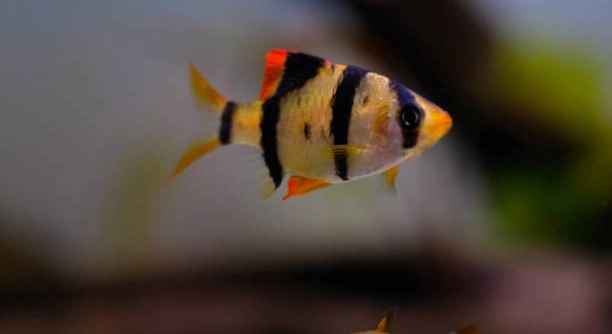
Tiger Barbs are popular freshwater fish known for their active behavior and striking appearance. Many aquarium owners want to know how well these fish get along with others in a shared tank. Understanding their social behavior is important for creating a peaceful aquarium environment.
Tiger Barbs can bond with other fish, but their compatibility depends on species temperament and tank conditions. They tend to be semi-aggressive and may nip fins, so choosing compatible tank mates and maintaining group sizes is essential for harmony.
Learning about the best companions and how to manage their behavior can help ensure a balanced and happy aquarium.
Understanding Tiger Barb Behavior
Tiger Barbs are active and social fish that naturally live in groups. They often swim quickly and can be a bit aggressive, especially when kept alone or in small numbers. In a group, they tend to focus on each other, which helps reduce aggression toward other fish. However, their fin-nipping habits can be problematic for slow-moving or long-finned tank mates. Observing their behavior carefully is important when adding new fish to the aquarium. Tank size also matters, as a cramped environment may increase stress and aggressive tendencies. Providing hiding spots and plants can help create a balanced space where fish feel secure. Maintaining water quality and stable conditions is another key factor to keep Tiger Barbs calm and less prone to bullying others. The better you understand their natural instincts, the easier it becomes to create a peaceful tank community that suits their needs.
Tiger Barbs show less aggression when kept in groups of six or more. This helps spread out their energy and reduces stress.
Ensuring proper group size, tank setup, and compatible companions are vital for managing Tiger Barb behavior. With attention to these details, you can foster a calmer and healthier aquarium environment where different fish coexist peacefully.
Choosing Compatible Tank Mates
Selecting the right tank mates for Tiger Barbs requires knowing their temperament and activity level. Fish that are too slow or have long, flowing fins may become targets for fin-nipping. Ideal companions are other fast swimmers that can handle the Tiger Barb’s energetic nature. Species like danios, rasboras, and larger tetras often make suitable companions because they can keep up with the pace and are less likely to provoke aggression. Avoid keeping Tiger Barbs with very passive or solitary fish, as they may become stressed or injured. It’s also important to consider tank size to provide enough space for all fish to swim freely. Regular observation helps detect any signs of bullying early on. If aggression becomes excessive, separating the fish or adjusting the tank setup might be necessary to restore balance. Proper planning can prevent conflicts and keep all tank inhabitants safe.
Compatibility is key to maintaining harmony between Tiger Barbs and other fish in your aquarium.
Choosing companions with similar activity levels and temperaments reduces conflict and promotes peaceful interactions. Monitoring and adjusting your tank setup as needed ensures a healthier, more balanced environment for everyone.
Group Dynamics and Social Bonding
Tiger Barbs naturally form groups called shoals. Being part of a shoal reduces their aggression. Shoaling helps them feel secure and less likely to attack other fish.
In groups smaller than six, Tiger Barbs may become overly aggressive toward each other and other tank mates. This is because they compete more for dominance and space. Larger groups spread out this energy, creating a more balanced social structure. The fish focus more on their own group rather than picking on other species. When kept in proper group sizes, Tiger Barbs display more natural behaviors like schooling, which is calming for the entire tank. This makes it easier for other fish to coexist peacefully. Group size directly affects how well they bond and behave with other fish.
Proper group size encourages positive interactions within the shoal and helps reduce stress. This in turn lowers the chances of fin-nipping and bullying. Creating the right group dynamic is essential for a harmonious aquarium.
Tank Environment and Its Role in Bonding
The layout of your tank impacts how well Tiger Barbs get along with others. Plenty of swimming space and hiding places reduce stress and aggression. A well-planted tank with rocks or decorations gives fish spots to retreat, which lowers conflicts. Overcrowded tanks increase competition for territory, which can worsen aggressive behavior. Water conditions like temperature, pH, and cleanliness also affect their mood. Stable, clean water helps fish stay calm and less reactive. Maintaining a balanced environment supports positive interactions between Tiger Barbs and other species, making bonding easier and the tank more peaceful. A carefully arranged tank encourages natural behavior and reduces stress-related aggression, benefiting all fish in the aquarium.
Feeding Habits and Their Impact
Tiger Barbs are active feeders that can become competitive during feeding time. Uneven feeding may lead to stress and aggression among tank mates.
Providing a varied diet and spreading food evenly helps reduce competition. Feeding multiple times a day in small portions keeps fish satisfied and calmer.
Monitoring Fish Behavior
Regularly watching how your fish interact is important. Early signs of aggression or stress can be addressed before problems escalate.
Noticing changes in swimming patterns, hiding, or fin damage can indicate issues. Quick action improves tank harmony and fish health.
Breeding and Social Bonds
During breeding, Tiger Barbs can become more territorial and aggressive. This behavior may disrupt their usual peaceful interactions.
Breeding pairs should be monitored carefully or separated to avoid conflicts with other fish in the tank.
FAQ
Can Tiger Barbs live peacefully with other fish?
Tiger Barbs can live peacefully with certain fish species if the tank environment and group size are managed well. They are naturally semi-aggressive and energetic, so tank mates need to be quick and able to handle their nipping behavior. Keeping Tiger Barbs in groups of six or more helps reduce their aggression toward other fish by spreading out their energy and focus. Choosing active companions like danios or larger tetras also supports peaceful coexistence. Slow or long-finned fish are not good matches as they may become targets of fin-nipping.
Why do Tiger Barbs nip other fish?
Nipping is a natural behavior for Tiger Barbs linked to their social interaction and competition. It often occurs when they are stressed, bored, or kept in too small groups. When they swim fast and nip fins, they’re asserting dominance or trying to establish social order. Proper group sizes, adequate tank space, and enrichment like plants and hiding spots can reduce this behavior. Regular feeding and maintaining stable water conditions also lower stress, which helps minimize fin-nipping.
How many Tiger Barbs should be kept together?
At least six Tiger Barbs should be kept together to maintain healthy social dynamics. Smaller groups tend to be more aggressive, as they compete for dominance and territory. Larger groups help balance their behavior by allowing them to focus on schooling rather than picking on other fish. Groups of six to ten are usually ideal for a typical home aquarium. More than ten can work in very large tanks but requires careful monitoring to avoid overcrowding.
What are good tank mates for Tiger Barbs?
Good tank mates are species that can keep up with the Tiger Barbs’ activity level and aren’t easily stressed. Suitable companions include danios, rasboras, larger tetras, and some types of gouramis. Avoid slow-moving fish or those with long, flowing fins like angelfish or bettas, as these can be targets for fin-nipping. Bottom dwellers like Corydoras catfish usually do well because they stay out of the Tiger Barbs’ way.
How does tank size affect Tiger Barb behavior?
Tank size greatly influences Tiger Barb behavior. Smaller tanks limit swimming space and increase competition, leading to more aggression and stress. A larger tank provides room for schooling and hiding spots, which calms the fish and reduces nipping. At least a 30-gallon tank is recommended for a group of six Tiger Barbs to allow enough space for healthy social interaction and peaceful coexistence with other fish.
Can Tiger Barbs bond with fish outside their species?
Tiger Barbs can form loose bonds with other compatible fish, especially if kept together for a long time in a well-managed tank. They may swim near other active species and share territory without aggressive encounters. However, these bonds aren’t as strong as those within their own group. Compatibility, tank size, and environment quality are key factors that determine how well Tiger Barbs get along with different species.
What causes aggression in Tiger Barbs?
Aggression in Tiger Barbs is usually triggered by stress, overcrowding, small group sizes, or lack of enrichment. Territorial disputes and breeding periods can also increase aggressive behavior. Managing group size, providing hiding places, maintaining water quality, and selecting compatible tank mates all help reduce aggression. Keeping their environment stable and feeding them properly can also prevent stress-induced conflicts.
How often should I feed Tiger Barbs?
Feeding Tiger Barbs two to three times daily in small portions is best. They are active fish with fast metabolisms that benefit from frequent meals rather than one large feeding. A varied diet of flakes, pellets, and occasional live or frozen foods keeps them healthy and reduces competition during feeding time. Even distribution of food throughout the tank helps prevent aggression and ensures all fish get their share.
Do Tiger Barbs need plants and decorations?
Yes, plants and decorations play a big role in reducing stress and aggression. They provide hiding spots and break up sight lines, which helps fish feel secure. Live or artificial plants, rocks, and driftwood create a natural environment that encourages natural behavior. A well-decorated tank allows Tiger Barbs and their tank mates to establish territories and avoid constant confrontation.
What should I do if Tiger Barbs become too aggressive?
If aggression becomes a problem, consider increasing group size or rearranging the tank layout to add more hiding spots. Removing overly aggressive individuals may also be necessary. Ensure the tank is not overcrowded and water parameters are stable. Feeding more frequently and in smaller amounts can reduce stress. Sometimes separating the Tiger Barbs temporarily or permanently is the best solution to protect other fish.
Tiger Barbs are lively fish that bring energy and color to an aquarium. Their natural behavior includes swimming in groups, which helps reduce aggression and supports social bonding within their own species. While they can be semi-aggressive, proper care and tank management can create an environment where Tiger Barbs live peacefully with other fish. Choosing the right tank mates, maintaining adequate group sizes, and providing enough space are all important factors in helping these fish thrive. With thoughtful planning, Tiger Barbs can be a rewarding addition to a community tank.
Creating the right environment is essential for reducing conflict and encouraging positive interactions between Tiger Barbs and other fish. A tank with enough room for swimming and hiding, along with stable water conditions, helps lower stress and aggressive tendencies. Plants, decorations, and places to retreat allow fish to feel safe and reduce territorial disputes. Feeding routines that avoid competition also support a calm and balanced aquarium. These steps ensure that Tiger Barbs can express natural behaviors while coexisting with other species without constant conflict or injury.
It is important to remember that Tiger Barbs have specific needs that must be met for successful bonding with other fish. Keeping them in groups of six or more prevents many behavioral problems. Selecting tank mates with similar activity levels reduces the chances of fin-nipping and stress. Regular observation and care will help catch any signs of aggression early and allow for adjustments. Overall, with proper attention to their social and environmental needs, Tiger Barbs can live harmoniously with other fish, making the aquarium a more enjoyable and peaceful place.

Hello,
If you enjoy the content that we create, please consider saying a "Thank You!" by leaving a tip.
Every little bit helps us continue crafting quality advice that supports the health, happiness, and well-being of pets around the world, for pets of all shapes, sizes, and species.
We really appreciate the kindness and support that you show us!