
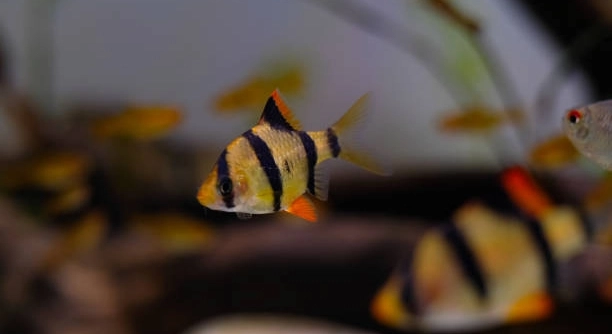
Have you ever found yourself wondering if your tiger barbs recognize you or respond to your presence over time? These colorful fish are known for their energy, but trust isn’t something often associated with them.
Tiger barbs can learn to recognize their owner’s presence through consistent interaction, feeding routines, and a calm environment. While they do not bond in the same way mammals do, they can show familiarity through less skittish behavior and increased curiosity.
Understanding their behavior and offering steady care can help create a peaceful tank environment where trust naturally develops over time.
How Tiger Barbs Show Familiarity
Tiger barbs are fast-moving fish with a bold nature, but they can still show subtle signs of recognition. When kept in a consistent and calm environment, they begin to associate certain movements and patterns—like your presence near the tank—with feeding and attention. Over time, they may swim toward you or become less skittish during interactions. While they won’t form emotional bonds like dogs or cats, they do respond to repeated positive experiences. Their schooling behavior also helps, as they often learn from each other. If one fish becomes accustomed to your presence, others may follow. Observing these changes closely can help you understand when they start to feel secure.
Their reactions might not seem obvious at first, but over time, slight changes in movement and positioning will become noticeable. These small signs show they are beginning to see you as part of their environment.
Using consistent routines and a gentle approach can help them feel less anxious. They react well to calm voices and slow hand movements. Feeding them at the same time each day also plays a part in building familiarity. Keeping their tank clean and well-maintained supports their health, which also makes them more open to interacting calmly.
Steps to Build Trust
Avoid loud noises or sudden tank movements when you’re near. Tiger barbs respond better to soft, predictable actions that don’t startle them.
To encourage trust, start by approaching the tank slowly at the same time each day. Use gentle hand movements and maintain a quiet setting during interactions. Offering food by hand or from the same feeding spot reinforces your presence with something positive. Avoid tapping the glass or placing unfamiliar objects near the tank suddenly. Over time, they will begin to link you with comfort and safety. Their behavior may change from darting away to swimming near you. They’ll spend more time visible, even when not being fed. Watching their group dynamics can also help, as tiger barbs influence each other. If one becomes comfortable, others often follow. Establishing a routine helps keep them secure, and this feeling of security is what leads to trust. Even though they won’t act affectionately, their calm and curious behavior will be a strong sign of recognition.
Creating a Calm Environment
A peaceful setup helps your tiger barbs feel safe. Bright lights, loud noises, or constant disruptions can make them nervous. Keep their tank in a quiet area with steady lighting and minimal foot traffic to avoid sudden shocks or stress.
Tank conditions also influence how tiger barbs behave. Keep the water temperature between 74°F and 79°F, and use a filter to maintain water quality. Add plants and decorations to give them places to hide and explore. This helps reduce anxiety and encourages natural behavior. Avoid overcrowding the tank, as tiger barbs are active swimmers and need room to move. A school of at least six helps them feel secure. These small adjustments make the space feel predictable, which leads to calmer behavior over time. A calm fish is more likely to become familiar with its surroundings—including you.
Lighting matters too. Keep the tank lights on a regular schedule—about 8 to 10 hours a day. Sudden changes in light levels can cause stress. Use a timer if needed to create a predictable rhythm. Avoid placing the tank where direct sunlight causes temperature spikes. Try not to rearrange the decorations too often, as changes in their environment can unsettle them. A consistent setup helps build familiarity and comfort.
Recognizing Behavioral Changes
As trust builds, your tiger barbs will act differently. Instead of darting away, they may swim near the front of the tank when you approach. This is a positive sign that they feel safer around you.
You may notice they become more active and visible during feeding times or linger longer near the glass when you’re nearby. They might follow your hand’s movement outside the tank, especially if it’s part of their routine. If they swim calmly rather than hiding or scattering, that shows progress. Still, they may react strongly to unfamiliar people or loud sounds, so patience is important. It’s also normal for them to test new behaviors before they become routine. By watching closely and responding gently, you’ll understand their comfort levels better. Continue with consistent care, and over time, their behavior will reflect the trust they’ve built with you.
Feeding as Positive Reinforcement
Feeding times are one of the easiest ways to build familiarity. Use the same spot and schedule daily so they associate your presence with something enjoyable. Avoid overfeeding, as clean water supports their health and comfort.
Try hand-feeding or using feeding rings to create a gentle routine. Consistency helps lower their guard over time.
When to Expect Progress
You may notice subtle changes within a few weeks, but stronger signs of trust often take longer. Some tiger barbs respond quickly, while others need more time. The key is consistency—same times, same actions, same tone. Skipping routines or adding stress delays progress. Look for reduced darting, more direct swimming toward you, and visible calmness during feeding. These are encouraging signs. Avoid comparing behaviors too soon; progress is not always obvious at first. Continue with soft, steady interactions. Over time, the group becomes more relaxed, which encourages more positive behavior from each fish. With steady care, trust becomes part of their normal routine.
Signs They Feel Secure
Calmer swimming, increased visibility, and approaching the glass are all signs your tiger barbs feel more secure around you.
FAQ
Can tiger barbs really learn to trust humans?
Tiger barbs do not develop trust the same way mammals do, but they can become familiar with your presence. Through consistent routines, they recognize you as a source of food and safety. This familiarity leads to calmer behavior and less stress when you approach their tank.
How long does it take for tiger barbs to recognize their owner?
Recognition varies depending on how often you interact and the environment you provide. Some fish show signs of recognition in a few weeks, while others may take several months. Regular feeding schedules and gentle movements speed up this process.
Is it safe to hand-feed tiger barbs?
Hand-feeding can be safe if done carefully and slowly. It encourages fish to associate your presence with food, which helps build familiarity. Make sure your hands are clean and free of soap or chemicals. Avoid sudden movements to prevent startling them.
What tank conditions support better interaction?
Stable water temperature between 74°F and 79°F, proper filtration, and clean water are essential. Providing plants and hiding spots lowers stress and encourages natural behavior. A peaceful environment helps fish feel secure enough to respond positively to your presence.
Can tiger barbs get stressed by frequent handling?
Handling should generally be avoided because it can cause stress and injury. Instead, focus on gentle interaction through the tank glass. Consistent routines, like feeding and slow hand movements outside the tank, are better ways to build recognition without physical contact.
Do tiger barbs recognize individual people?
They don’t recognize people individually but can learn to associate specific routines and patterns with feeding and safety. Your consistent presence and behavior form a predictable pattern that the fish respond to over time.
How important is the group size for their behavior?
Tiger barbs are schooling fish and feel safest in groups of at least six. A well-sized group reduces stress and encourages natural social behavior. When the group is secure, individual fish are more likely to show curiosity and calmness toward you.
What are common signs that indicate they feel comfortable?
Fish that feel comfortable tend to swim calmly near the tank front, follow your movements, and show interest during feeding. Reduced hiding and less frantic swimming are also good indicators. These behaviors show growing familiarity and reduced fear.
Can sudden changes affect their trust?
Yes, sudden changes in lighting, tank layout, or noise can cause stress and set back progress. Keeping a stable environment with minimal surprises helps maintain calm behavior and trust-building.
How often should I interact with my tiger barbs?
Daily, short interactions around feeding time work best. Consistency is more important than length. Regular, gentle presence helps fish recognize your routine without causing stress.
Is it normal for some fish to stay shy?
Yes, individual personalities vary. Some tiger barbs remain cautious longer than others. Patience is key. Continue gentle routines and avoid stressors. Over time, many will become more comfortable.
What should I avoid to prevent losing their trust?
Avoid tapping on the glass, sudden loud noises, rapid movements, or changing tank decor frequently. These actions cause stress and make fish wary. Maintaining a calm environment is crucial for building and keeping familiarity.
Can other fish species affect their behavior toward humans?
Yes, aggressive or highly active tank mates can stress tiger barbs, making them more fearful. Choosing compatible species helps create a peaceful community tank where your tiger barbs feel safe and more likely to respond positively to your presence.
What if my tiger barbs never seem to calm down?
Reassess tank conditions for stability, cleanliness, and adequate space. Ensure group size is appropriate and feeding is consistent. Sometimes fish naturally have a more nervous temperament. If everything is right, continue gentle interactions and accept that some may always be more skittish.
Are there special tools to help build trust?
Using feeding rings or slow-moving feeding tools can help guide their attention and reduce fear. Aquarium decorations that provide hiding places also help fish feel secure. No special tools are necessary, but these aids can make routines smoother and reduce stress.
How does water quality impact their behavior?
Poor water quality causes stress and illness, which make fish more skittish and less likely to respond calmly. Regular water testing and maintenance keep the environment healthy, promoting better behavior and quicker recognition of your presence.
Is lighting important for interaction?
Yes, consistent lighting supports a natural rhythm and reduces stress. Sudden brightness or darkness can scare fish. Keeping lights on a timer helps create a stable environment where fish feel safer and more comfortable around you.
Can I train tiger barbs to come to the glass?
While not trained like pets, tiger barbs can learn that your presence near the glass means food. This leads to them approaching during feeding time. Patience and consistency are essential; over time, they associate you with positive experiences.
Should I expect physical affection?
No, tiger barbs don’t show affection like mammals. Their signs of trust are calmer swimming, curiosity, and less fear. Understanding these differences helps set realistic expectations for your interaction with them.
What is the best way to maintain trust once established?
Keep up consistent care routines, maintain stable tank conditions, and interact gently. Avoid sudden changes and stressors. Trust builds slowly and is maintained through steady, calm presence and reliable care.
Final Thoughts
Tiger barbs are lively and energetic fish that may not show affection like pets such as cats or dogs, but they can still become familiar with their owner’s presence over time. Building this recognition takes patience and consistency. Small actions, like feeding at the same time each day and approaching the tank slowly, help the fish connect your presence with positive experiences. Over time, this reduces their natural skittishness and makes them more comfortable around you. Understanding that their way of “trust” is different from mammals is important. It is more about familiarity and less about emotional bonding.
Creating a calm and stable environment plays a big role in how your tiger barbs behave. Proper water temperature, clean water, a good-sized group, and places to hide all help reduce their stress. A less stressed fish is more likely to respond positively to your presence. It is also important to keep lighting steady and avoid sudden changes or loud noises near the tank. When these factors are controlled, the fish show signs of comfort by swimming calmly near the front of the tank and reacting less fearfully when you approach. These signs show the fish are adjusting well to their environment and your presence.
Building a connection with tiger barbs takes time, so patience is key. Some fish respond faster, while others may stay shy longer. Regular, gentle interaction and steady care routines are what matter most. Avoid actions that cause stress, such as tapping the glass or changing the tank layout often. Instead, focus on creating a safe, predictable space where the fish can feel secure. While tiger barbs won’t show trust like pets that seek physical affection, their calm and curious behavior toward you is a sign that they feel comfortable. This quiet recognition is rewarding in its own way and reflects the care you provide as an owner.

Hello,
If you enjoy the content that we create, please consider saying a "Thank You!" by leaving a tip.
Every little bit helps us continue crafting quality advice that supports the health, happiness, and well-being of pets around the world, for pets of all shapes, sizes, and species.
We really appreciate the kindness and support that you show us!