
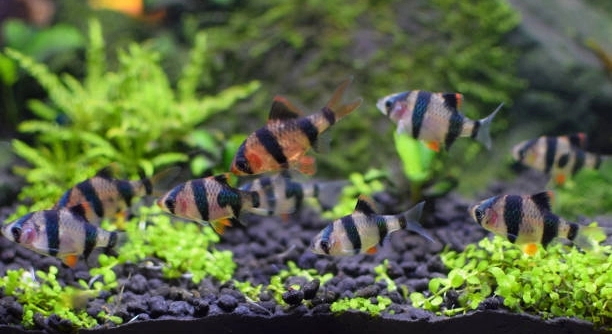
Keeping a home aquarium often brings together different types of fish. Many aquarists are interested in combining colorful species like Tiger Barbs and Tetras. Understanding their compatibility is important for a peaceful tank environment.
Tiger Barbs can be kept with certain types of Tetras, but careful consideration is needed. Tiger Barbs are semi-aggressive and may nip at smaller or slow-moving Tetras, so choosing larger or faster Tetras and providing plenty of space helps reduce conflicts.
Knowing the right pairing can make all the difference for a harmonious aquarium. This article explains the key factors to consider before housing these fish together.
Behavior and Temperament of Tiger Barbs
Tiger Barbs are active and energetic fish known for their bold personalities. They often swim in groups and can be aggressive toward other fish, especially those with long fins or slower movements. This behavior includes fin nipping, which can stress or injure tank mates. They require plenty of swimming space and hiding spots to reduce aggression. Keeping Tiger Barbs in schools of at least six helps diffuse their energy and lowers the chance they will target individual fish. When mixed with peaceful species, this aggression can become a problem. Understanding their temperament is key to maintaining balance in a community tank.
Tiger Barbs’ semi-aggressive nature means compatibility with other fish must be carefully considered. Their behavior often affects the tank’s overall harmony and health.
Recognizing the typical behavior of Tiger Barbs can guide you in choosing tank mates that tolerate or match their activity level. Ensuring a spacious environment and adequate group size minimizes stress for all fish involved.
Compatibility with Tetras
Not all Tetras get along with Tiger Barbs. Small or slow-moving Tetras like Neon Tetras are vulnerable to nipping. Larger or faster Tetras, such as Black Skirt or Congo Tetras, tend to coexist better with Tiger Barbs.
Some Tetras are too delicate for Tiger Barbs’ active nature. Choosing species with similar energy and size helps maintain peace. The tank size and decoration also influence compatibility.
Selecting Tetras that swim in mid to upper water levels while Tiger Barbs occupy lower or middle zones reduces direct encounters. Providing hiding places and planting dense vegetation offers shelter and distraction for more timid species. Monitoring fish behavior after introduction is important to prevent injury or stress. Making adjustments quickly helps keep the aquarium stable and healthy for all its inhabitants.
Tank Setup for Tiger Barbs and Tetras
A well-planned tank setup reduces aggression and stress between Tiger Barbs and Tetras. Provide at least 30 gallons to allow enough swimming space for both species. Include plants, rocks, and decorations to create hiding spots and visual barriers.
Proper lighting and moderate water flow mimic natural conditions. Soft substrate and floating plants help Tetras feel secure. Avoid overcrowding to maintain water quality and reduce stress. Regular maintenance is essential to keep the environment healthy for all fish.
Arrange the tank to offer distinct zones for each species. Tiger Barbs prefer mid to lower levels, while many Tetras swim near the surface. This vertical separation lessens direct interaction and potential conflicts.
Feeding and Care Considerations
Tiger Barbs and Tetras have similar dietary needs but require varied nutrition. Both species thrive on a mix of high-quality flakes, pellets, and occasional live or frozen foods like brine shrimp or bloodworms. Feeding multiple small meals daily helps meet their energy demands.
Uneaten food can quickly pollute the tank, so feed only what fish consume within a few minutes. Monitor feeding behavior to ensure all fish get enough without overfeeding. Balanced nutrition supports vibrant colors and overall health.
Regular water changes and testing keep the aquarium stable. Maintaining appropriate temperature, pH, and hardness helps both Tiger Barbs and Tetras stay healthy. Careful attention to their needs promotes a peaceful, thriving community tank.
Monitoring Fish Behavior
Watching fish behavior regularly helps detect early signs of stress or aggression. Look for fin damage, hiding, or unusual swimming patterns. Early intervention can prevent serious problems.
Keeping a log of behavior changes after introducing new fish can help identify triggers. Adjust tank conditions or rearrange decorations if needed to improve harmony.
Signs of Stress in Tiger Barbs and Tetras
Stress in both Tiger Barbs and Tetras can show through faded colors, clamped fins, or reduced activity. Loss of appetite and erratic swimming are also common signs. Prolonged stress weakens their immune systems, making them vulnerable to illness.
Providing proper tank conditions, compatible tank mates, and a balanced diet helps reduce stress. Immediate attention to changes in behavior or appearance can improve fish well-being and prevent serious health issues.
Disease Prevention
Maintaining clean water and a balanced environment is key to preventing disease. Quarantine new fish before adding them to the main tank.
Healthy fish and a stable tank environment reduce the risk of outbreaks and keep your aquarium thriving.
FAQ
Can Tiger Barbs and Tetras live together peacefully?
Tiger Barbs and certain types of Tetras can live together peacefully if the tank is large enough and properly set up. It is important to choose Tetras that are fast swimmers and similar in size to avoid aggression. Providing plenty of hiding spaces and keeping Tiger Barbs in groups helps reduce their nipping behavior. However, some smaller or slow-moving Tetras may not be suitable tank mates.
How many Tiger Barbs should I keep in a tank?
Keeping at least six Tiger Barbs is recommended. This helps distribute their aggressive energy within their own group rather than targeting other fish. A small group reduces bullying and encourages natural schooling behavior, which can make them less likely to harass other species like Tetras.
What tank size is suitable for Tiger Barbs and Tetras?
A minimum of 30 gallons is advised to comfortably house both Tiger Barbs and Tetras. This provides enough swimming space and allows for decorations and plants to create hiding spots. Larger tanks improve water quality and reduce territorial behavior by offering fish enough room to avoid each other.
Are Tiger Barbs fin nippers?
Yes, Tiger Barbs are known to nip fins, especially of slower or long-finned fish. This behavior is a natural part of their semi-aggressive nature. Providing a proper group size and enough space helps reduce fin nipping. Choosing compatible Tetras that are quick and agile further minimizes risk.
What types of Tetras are best with Tiger Barbs?
Larger, fast-moving Tetras like Black Skirt Tetras, Congo Tetras, or Buenos Aires Tetras tend to coexist better with Tiger Barbs. These species can keep up with Tiger Barbs’ energy and avoid becoming targets. Smaller or delicate species like Neon Tetras are usually not recommended.
How should I feed Tiger Barbs and Tetras in a community tank?
Feed both species a varied diet of high-quality flakes, pellets, and occasional live or frozen foods such as brine shrimp or bloodworms. Multiple small feedings help ensure all fish get enough nutrition. Avoid overfeeding to keep water quality high.
What water conditions do Tiger Barbs and Tetras need?
Both Tiger Barbs and most Tetras thrive in water with a temperature between 74°F and 79°F, a pH of 6.5 to 7.5, and moderate hardness. Keeping stable water parameters with regular testing and water changes supports fish health and reduces stress.
How can I prevent aggression in my tank?
Prevent aggression by maintaining proper group sizes, providing enough space, and including plenty of hiding places. Monitor fish behavior regularly and rearrange tank decorations if bullying occurs. Separating overly aggressive individuals may sometimes be necessary.
What signs indicate my fish are stressed or unhealthy?
Signs of stress include faded colors, clamped fins, hiding, loss of appetite, and erratic swimming. Injuries from fin nipping or other fights also suggest problems. Early detection allows for quick intervention through water changes, tank adjustments, or treatment.
Should I quarantine new fish before adding them to my tank?
Yes, quarantining new fish for at least two weeks helps prevent introducing diseases. It allows observation of any health issues and acclimates fish to tank conditions before mixing with established fish. This step protects both Tiger Barbs and Tetras in your aquarium.
Can Tiger Barbs and Tetras breed in the same tank?
Breeding can occur if conditions are right, but mixed species tanks complicate this. Tiger Barbs and Tetras have different breeding requirements and behaviors. Often, eggs or fry are at risk of being eaten by other fish. A separate breeding tank is advisable for successful breeding.
How often should I perform water changes in a community tank?
Performing a 20-25% water change every week is ideal for maintaining water quality in a community tank with Tiger Barbs and Tetras. Regular changes remove waste and toxins, keeping the environment stable and healthy for all fish.
What are common diseases to watch for in Tiger Barbs and Tetras?
Ich, fin rot, and bacterial infections are common diseases. Symptoms include white spots, torn or ragged fins, and lethargy. Maintaining clean water, a balanced diet, and quarantine practices helps reduce disease risk. Early treatment improves recovery chances.
How can I tell if my Tiger Barbs and Tetras are compatible?
Compatibility is evident when fish swim calmly without constant chasing or fin biting. Observe their interaction closely during the first days of introduction. Some stress or brief aggression may occur, but persistent bullying or injury means incompatibility.
Can I keep other fish species with Tiger Barbs and Tetras?
Yes, other semi-aggressive or peaceful species that tolerate similar water conditions can be added. Avoid slow or long-finned fish that may become targets. Research individual species carefully to ensure a balanced and peaceful community tank.
Is it necessary to separate Tiger Barbs and Tetras at night?
No, generally they can share the same space at all times if the tank setup is appropriate. Providing hiding places and sufficient space helps fish feel secure during resting periods. Monitoring behavior is still important to ensure peaceful coexistence.
Tiger Barbs and Tetras can coexist in the same aquarium under the right conditions. Their compatibility depends largely on the species of Tetras chosen and the setup of the tank. Tiger Barbs are active and semi-aggressive, which means they may nip at smaller, slower fish. Selecting Tetras that are fast swimmers and larger in size helps reduce conflicts. Providing enough space and hiding spots also plays a crucial role in creating a peaceful environment. When these factors are carefully considered, both species can thrive together without causing harm to each other.
Maintaining good water quality and stable tank conditions is essential for the health of both Tiger Barbs and Tetras. Regular water changes, monitoring water parameters, and feeding a balanced diet are important practices. Both species have similar needs when it comes to temperature and pH levels, which makes it easier to care for them together. It is also important to observe fish behavior regularly to detect any signs of stress or aggression early. Acting quickly to address problems can prevent injuries and keep the tank community balanced and healthy.
Ultimately, keeping Tiger Barbs and Tetras together requires attention to detail and thoughtful planning. Choosing the right species combination, providing adequate space, and maintaining proper tank conditions are key steps. Although Tiger Barbs’ natural behavior can cause some challenges, many aquarists successfully keep these fish with compatible Tetras in a well-maintained tank. With careful care and observation, both species can enjoy a stable, harmonious environment that highlights their colors and active personalities.

Hello,
If you enjoy the content that we create, please consider saying a "Thank You!" by leaving a tip.
Every little bit helps us continue crafting quality advice that supports the health, happiness, and well-being of pets around the world, for pets of all shapes, sizes, and species.
We really appreciate the kindness and support that you show us!