
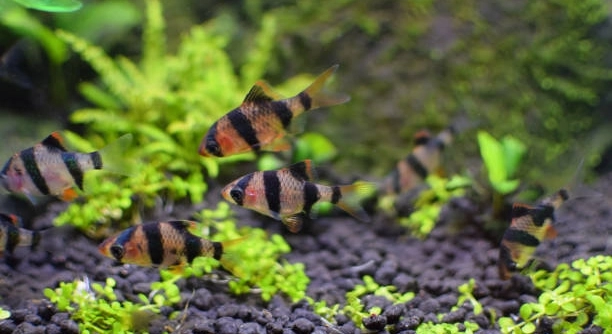
Tiger Barbs and Rasboras are popular choices for home aquariums. Both fish have vibrant colors and active behavior, which attract many hobbyists. Keeping them together raises questions about their compatibility in a shared tank environment.
Tiger Barbs can sometimes show aggressive tendencies, which may stress or harm the generally peaceful Rasboras. Careful monitoring and proper tank setup are necessary to maintain harmony between these species.
Understanding their behavior and tank needs will help ensure a balanced and healthy community aquarium for both fish types.
Understanding Tiger Barbs’ Behavior
Tiger Barbs are known for their energetic and sometimes nippy behavior. They tend to chase other fish, especially those with long fins or slower movements. This can be stressful for more peaceful species like Rasboras. However, Tiger Barbs often calm down when kept in groups of six or more, as their aggression is then spread out within their own species. Providing plenty of hiding spots with plants and decorations helps reduce tension by giving Rasboras places to retreat. It’s important to monitor interactions early on to prevent injuries. Tank size also matters; a larger aquarium allows each species enough space to establish their own territory and reduces conflict. Knowing these habits makes it easier to create a balanced environment where both Tiger Barbs and Rasboras can thrive.
Keeping Tiger Barbs in a large group reduces aggression significantly.
With a good tank setup and enough space, the more active Tiger Barbs are less likely to stress the peaceful Rasboras, creating a calmer tank atmosphere for all.
Tank Setup and Environment
A well-planned tank setup is essential for housing Tiger Barbs and Rasboras together. Both species appreciate a planted aquarium with open swimming areas and shaded spots. Use sturdy plants since Tiger Barbs might nip at softer leaves. Moderate water flow suits them both, mimicking their natural habitat. Maintaining water parameters within the correct range helps prevent stress and disease. Temperature should be stable around 74-78°F, and pH levels kept near neutral. Regular water changes improve water quality, which is crucial for sensitive Rasboras. A tank size of at least 20 gallons is recommended to accommodate active swimming and reduce territorial disputes. Proper filtration and aeration also support their health. Careful attention to these details creates an environment where Tiger Barbs’ energy and Rasboras’ peaceful nature can coexist peacefully.
Feeding and Diet Compatibility
Tiger Barbs and Rasboras have similar dietary needs, which makes feeding them together easier. Both species thrive on a varied diet that includes flakes, pellets, and occasional live or frozen foods like bloodworms or brine shrimp. It’s important to provide balanced nutrition to support their health and vibrant colors.
Feeding should be done in small amounts two to three times a day to prevent overfeeding and water pollution. Tiger Barbs tend to be more aggressive at feeding times, so distributing food evenly throughout the tank helps ensure Rasboras get their share. Using sinking and floating foods can also encourage all fish to feed comfortably without competition.
Pay attention to any signs of food aggression or missed meals. Adjusting feeding routines may be necessary if some fish appear underfed or stressed. This balance is key to maintaining peace and good health in a mixed community tank.
Monitoring Health and Stress
Both Tiger Barbs and Rasboras are generally hardy fish but can become stressed if their environment or social conditions are not ideal. Stress weakens their immune systems, making them more susceptible to illness. Regular observation helps catch any early signs of disease or bullying.
Look for changes in behavior such as hiding, loss of appetite, or faded colors. Injuries from fin nipping should be treated quickly to avoid infection. Maintaining clean water and stable conditions supports their immune health. Quarantining new fish before adding them to the main tank reduces the risk of introducing diseases.
It’s also helpful to keep a close eye on how well the species interact over time. Adjusting group sizes or rearranging tank decorations can improve social dynamics and reduce stress. Ensuring a healthy, calm environment benefits both Tiger Barbs and Rasboras in the long run.
Choosing the Right Rasbora Species
Not all Rasboras have the same temperament. Harlequin Rasboras are generally peaceful and can handle the presence of Tiger Barbs better than more timid species. It’s important to pick Rasboras that are active and confident swimmers.
Smaller or shy Rasboras might get stressed by the more boisterous Tiger Barbs. Choosing the right species helps create a balanced and less stressful tank environment for all fish.
Tank Size Recommendations
A minimum tank size of 20 gallons is advised for keeping Tiger Barbs and Rasboras together. Larger tanks provide enough swimming space and help reduce territorial behavior and aggression.
Introducing Fish Gradually
Adding fish slowly allows them to adjust to new tankmates and environment. This approach reduces stress and helps establish social hierarchies more smoothly.
FAQ
Can Tiger Barbs and Rasboras live peacefully together?
Tiger Barbs and Rasboras can live together peacefully if the tank is properly set up. Tiger Barbs are more active and sometimes nippy, so keeping them in groups of six or more helps spread out their energy. Providing plenty of plants and hiding spots lets Rasboras feel safe. A large tank also reduces territorial stress. Close monitoring is needed at first to prevent bullying or injuries. With the right balance, both species can coexist well.
What size tank is best for keeping Tiger Barbs and Rasboras together?
A tank of at least 20 gallons is recommended. This size allows enough swimming space and territory for both species. Larger tanks make it easier to manage aggression and provide hiding places for Rasboras. More space means less chance of constant chasing or stress.
Are Tiger Barbs aggressive towards Rasboras?
Tiger Barbs have a reputation for being fin-nippers and can show aggression, especially if kept in small groups or crowded tanks. Rasboras are peaceful and can get stressed if chased or nipped. However, aggression is reduced when Tiger Barbs are kept in groups of six or more. Proper tank size, hiding spots, and monitoring help reduce aggressive behaviors.
What is the best diet for Tiger Barbs and Rasboras?
Both species thrive on a varied diet. Flakes or pellets formulated for tropical fish work well. Supplementing with live or frozen foods like bloodworms, brine shrimp, or daphnia boosts nutrition and keeps fish active. Feeding small amounts two to three times daily prevents overfeeding and keeps water clean. Distributing food around the tank helps avoid competition.
How often should I feed them?
Feeding twice or three times a day in small portions is ideal. This helps maintain water quality and ensures all fish get enough food. Overfeeding can lead to poor water conditions, stressing both Tiger Barbs and Rasboras.
What water parameters suit both Tiger Barbs and Rasboras?
Both species prefer stable water conditions. Temperatures around 74-78°F (23-26°C) work best. The pH should be near neutral, between 6.5 and 7.5. Regular water changes and good filtration help maintain healthy water. Consistent water quality reduces stress and illness.
Can Tiger Barbs damage plants in the aquarium?
Tiger Barbs sometimes nip at soft-leaved plants, which can cause damage. Choosing hardy plants like Java fern, Anubias, or plastic plants helps protect your aquarium’s greenery. Plants also provide important hiding spots for Rasboras, reducing stress.
How can I tell if the fish are stressed?
Signs of stress include hiding, loss of appetite, faded colors, or erratic swimming. Fin damage or torn fins may indicate aggression. Early detection allows for changes in tank conditions or group composition to improve well-being.
Is it necessary to quarantine new fish before adding them to the tank?
Yes, quarantining new fish for at least two weeks is important. It helps prevent disease introduction to your main aquarium. During quarantine, monitor for signs of illness and treat if necessary before mixing new fish with Tiger Barbs and Rasboras.
Can Rasboras and Tiger Barbs breed together?
They do not breed together. Both species have different breeding behaviors and needs. Breeding usually requires separate tanks or controlled conditions. Mixing them won’t result in crossbreeding, but stress from breeding activity might affect tank harmony.
What should I do if aggression increases?
If Tiger Barbs become too aggressive, first ensure they are in a large enough group and tank. Add more hiding spots and rearrange decorations to disrupt established territories. If aggression continues, consider separating the fish or upgrading to a bigger tank. Monitoring is key to keeping the peace.
Are Tiger Barbs suitable for beginners?
Tiger Barbs can be suitable for beginners with some experience managing active and semi-aggressive fish. They require good water quality, space, and proper social groups. Rasboras are easier but need peaceful tankmates. Combining the two demands careful planning.
What other fish can be kept with Tiger Barbs and Rasboras?
Other peaceful, fast-swimming fish can join the tank, such as Danios or larger Tetras. Avoid slow-moving or long-finned species, as Tiger Barbs may nip at them. Always research compatibility and monitor behavior closely when adding new fish.
How do I maintain a healthy environment for both species?
Regular water changes, good filtration, proper feeding, and monitoring water parameters keep fish healthy. Keeping Tiger Barbs in groups reduces aggression, and providing hiding spots supports Rasboras’ peace. Acting quickly if problems arise maintains a stable tank community.
What is the typical lifespan of Tiger Barbs and Rasboras?
Tiger Barbs typically live 5 to 7 years with proper care. Rasboras often live around 4 to 6 years. Good water quality, diet, and a stress-free environment contribute to longer lifespans.
Is it normal for Tiger Barbs to chase Rasboras?
Some chasing behavior is normal due to Tiger Barbs’ natural activity. However, constant or aggressive chasing can stress Rasboras. Proper group sizes, tank size, and hiding places help keep chasing to a minimum.
This FAQ covers key concerns about keeping Tiger Barbs and Rasboras together, helping create a peaceful and healthy aquarium.
Keeping Tiger Barbs and Rasboras together in the same tank can work well with the right preparation and care. Both fish bring bright colors and lively movement to an aquarium, making them popular choices. However, their different personalities need to be balanced. Tiger Barbs are active and sometimes a bit aggressive, while Rasboras tend to be peaceful and shy. This means the tank setup and fish groupings must be chosen carefully to avoid stress and injuries.
A key point is to keep Tiger Barbs in groups of six or more. This helps spread out their natural nipping behavior, reducing the chance that Rasboras will become targets. Providing plenty of plants and hiding spaces also helps Rasboras feel secure and less likely to be chased. A tank size of at least 20 gallons is important, so each fish has enough room to swim and establish its own space. Proper water conditions and a balanced diet for both species also play a big role in their overall health and harmony.
Watching how your fish behave over time is essential. Even with careful planning, some adjustments may be needed. If aggression increases, consider rearranging the tank or adding more hiding spots. Sometimes, it may be necessary to separate fish or upgrade to a larger aquarium. When cared for properly, Tiger Barbs and Rasboras can live together peacefully, creating an active and colorful community tank that is enjoyable to watch and maintain.

Hello,
If you enjoy the content that we create, please consider saying a "Thank You!" by leaving a tip.
Every little bit helps us continue crafting quality advice that supports the health, happiness, and well-being of pets around the world, for pets of all shapes, sizes, and species.
We really appreciate the kindness and support that you show us!