
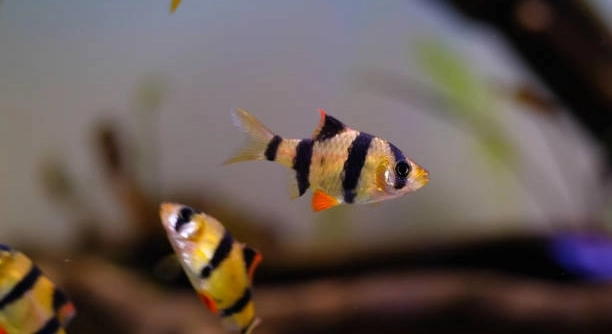
Keeping Tiger Barbs as pets can be a rewarding experience for many fish enthusiasts. These lively fish have bright colors and active behavior, making them popular in home aquariums. Many wonder if they are suitable for outdoor tanks.
Tiger Barbs can be kept in outdoor tanks if the environment meets their specific needs. They require stable water temperatures between 74°F and 78°F, clean water conditions, and protection from predators and harsh weather to thrive outdoors.
Learning how to create the right conditions outdoors will help ensure the health and happiness of your Tiger Barbs. This article will guide you through the important factors to consider when keeping them outside.
Ideal Conditions for Outdoor Tiger Barbs
Tiger Barbs are tropical fish that need warm and stable temperatures to stay healthy. Outdoor tanks must keep water temperatures between 74°F and 78°F, which can be challenging in cooler climates. Adding a heater or placing the tank in a sheltered spot can help maintain the right temperature. Water quality is also very important. Regular water changes and a good filter system keep the tank clean and reduce harmful toxins. Outdoor tanks must be protected from direct sunlight, strong winds, and predators like birds or cats. Adding plants or decorations provides hiding spots, helping the fish feel safe. Checking the water’s pH and hardness regularly also supports their well-being. Proper care and maintenance ensure Tiger Barbs can live happily outside.
Stable temperatures and clean water are key to successful outdoor keeping.
Proper preparation and monitoring are essential. Small changes in temperature or water quality can stress Tiger Barbs. If outdoor conditions are unpredictable, it’s better to move the fish indoors during extreme weather. Using tank covers and nets can prevent unwanted visitors. Overall, creating a safe and controlled environment outdoors helps Tiger Barbs thrive and stay active.
Feeding and Behavior in Outdoor Tanks
Tiger Barbs are active swimmers and can be quite social in groups.
Feeding Tiger Barbs in outdoor tanks requires attention to both diet and timing. They eat a variety of foods including flakes, pellets, and live or frozen treats like bloodworms or brine shrimp. Feeding small amounts twice a day is best to avoid overfeeding, which can pollute the water. Watching their behavior during feeding helps spot any signs of illness or stress. Outdoor tanks may attract insects or algae that add to their diet, but it’s important not to rely on this alone. Keeping a balanced diet helps Tiger Barbs maintain their bright colors and energy. Their social nature means they do better in groups of at least six, reducing aggression and encouraging natural behaviors. Providing enough space in the outdoor tank supports their activity levels and overall health.
Tank Size and Setup
A tank of at least 30 gallons is recommended for a small group of Tiger Barbs.
A larger tank helps reduce aggression, as Tiger Barbs can be territorial. Provide plenty of plants and hiding spots to create a comfortable environment. Open swimming space is also important since these fish are very active. Use smooth decorations to prevent injuries during their fast movements. Make sure the tank has a secure lid to keep the fish safe from predators and prevent jumping. Outdoor tanks often face more challenges, so careful setup supports their well-being.
Position the tank where it gets partial shade to avoid overheating. Keep an eye on water levels and temperature changes, especially during seasonal shifts. Adding a layer of gravel or sand at the bottom helps mimic their natural habitat and supports plant growth.
Water Quality and Maintenance
Regular water testing is necessary to keep conditions stable.
Clean water is vital for Tiger Barbs. Outdoor tanks need more frequent water changes due to exposure to debris and temperature swings. Test water weekly for ammonia, nitrites, and nitrates to avoid toxic buildup. Using a reliable filtration system reduces harmful waste and helps maintain oxygen levels. Removing uneaten food and plant debris daily prevents water pollution. Maintaining stable pH between 6.5 and 7.5 is important, as rapid changes can stress the fish. Being consistent with maintenance routines keeps the environment healthy and reduces the risk of illness.
Seasonal Care for Outdoor Tanks
Temperature changes during seasons affect Tiger Barbs significantly.
Winter can be especially tough if temperatures drop below their comfort zone. Using a reliable heater or bringing the tank indoors during cold months helps protect them from stress and illness.
Common Health Issues
Tiger Barbs outdoors are prone to infections like fin rot and ich due to fluctuating water conditions.
Keeping the water clean and stable is the best prevention. Regular observation helps catch problems early. Quarantining new fish before adding them to the tank reduces disease risks. Stress from predators or poor water quality can weaken their immune system, so creating a secure and healthy environment is key.
Predator Protection
Outdoor tanks need covers or nets to keep predators out.
FAQ
Can Tiger Barbs live year-round in outdoor tanks?
Tiger Barbs can live outdoors year-round only if the climate is warm and stable. They need water temperatures between 74°F and 78°F. In cooler areas, outdoor tanks must be heated or the fish should be moved indoors during colder months. Sudden temperature drops can cause stress or illness.
What size outdoor tank is best for Tiger Barbs?
A minimum of 30 gallons is recommended for a small group of Tiger Barbs. Larger tanks help reduce aggression and give enough space for active swimming. Outdoor tanks should have plenty of plants and hiding spots to create a natural environment.
How often should water be changed in outdoor tanks?
Water changes in outdoor tanks should be done more frequently than indoors, usually 20-30% weekly. Outdoor tanks are exposed to leaves, debris, and temperature swings, which can affect water quality. Testing water regularly helps decide when changes are needed.
Are Tiger Barbs aggressive? Can they live with other fish?
Tiger Barbs are semi-aggressive, especially in small groups or confined spaces. They do better in groups of six or more, which helps reduce fighting. They can live with other similar-sized, fast-swimming fish but may nip at slow-moving or long-finned species.
What do Tiger Barbs eat in outdoor tanks?
They eat flakes, pellets, frozen or live foods like bloodworms and brine shrimp. Outdoor tanks may have insects or algae that add variety to their diet, but you should still feed them regularly with balanced foods to keep them healthy.
How can I prevent predators from harming my Tiger Barbs?
Use secure lids or fine mesh covers on outdoor tanks to keep out birds, cats, and other predators. Surrounding the tank with a protective barrier or placing it in a sheltered location helps. Regularly check for any openings or damage to the cover.
What signs show my Tiger Barbs are stressed or sick?
Signs include loss of color, clamped fins, slow swimming, or hiding more than usual. White spots, torn fins, or unusual swimming patterns can indicate illness. Early detection and treatment improve recovery chances.
Is it necessary to quarantine new Tiger Barbs before adding them to the outdoor tank?
Yes, quarantining new fish for at least two weeks helps prevent introducing diseases to your main tank. This is especially important in outdoor setups where infections can spread quickly due to fluctuating conditions.
How can I maintain stable water temperature in outdoor tanks?
Position the tank in a shaded area and use heaters during cooler weather. In hot climates, avoid direct sunlight to prevent overheating. Insulating the tank or adding floating plants can help moderate temperature changes.
What kind of plants work best in outdoor Tiger Barb tanks?
Hardy plants like Java fern, Anubias, and hornwort do well outdoors. They provide hiding spots and improve water quality by absorbing excess nutrients. Floating plants help shade the water and reduce algae growth.
Can Tiger Barbs survive without a heater in outdoor tanks?
They can survive without a heater only in tropical climates where water temperature stays consistently warm. In cooler or temperate regions, a heater is necessary to maintain safe temperatures year-round.
How often should I feed Tiger Barbs?
Feeding twice a day with small amounts is best. Overfeeding can pollute the water and harm fish health. Watch how much they eat in a few minutes and adjust portions accordingly.
Do Tiger Barbs need aeration in outdoor tanks?
Aeration helps keep oxygen levels stable, especially in warmer weather. Adding an air stone or filter with good water movement improves oxygen circulation and benefits fish health.
Can Tiger Barbs jump out of outdoor tanks?
Yes, Tiger Barbs are active swimmers and may jump, especially if stressed or startled. A secure lid or mesh cover prevents escapes and protects them from predators.
What are common diseases in outdoor Tiger Barb tanks?
Common issues include ich, fin rot, and fungal infections caused by poor water quality or stress. Maintaining clean water, stable conditions, and quarantining new fish reduces disease risk.
Is it better to keep Tiger Barbs indoors or outdoors?
Both have pros and cons. Indoors offers more control over temperature and water quality. Outdoors provide a natural environment but require more monitoring and protection. The choice depends on your local climate and ability to maintain the tank.
How do I acclimate Tiger Barbs to an outdoor tank?
Introduce them slowly by floating their bag in the tank water for 15-20 minutes, then gradually mix tank water into the bag before releasing. This helps reduce stress from temperature and water differences.
Can I breed Tiger Barbs in outdoor tanks?
Breeding is possible if conditions are right, including clean water, proper temperature, and hiding places for eggs. However, outdoor tanks may pose risks from predators and unstable conditions that affect fry survival.
How do I clean an outdoor Tiger Barb tank?
Remove debris daily and perform partial water changes weekly. Use a gravel vacuum to clean substrate and trim plants as needed. Check and clean the filter regularly to maintain good water flow.
What should I do if my Tiger Barbs show signs of illness?
Isolate sick fish if possible and test water parameters. Treat with appropriate medication based on the illness. Improving water quality and reducing stress supports recovery.
Are Tiger Barbs sensitive to water pH changes?
Yes, they prefer a pH between 6.5 and 7.5. Sudden pH shifts can stress them. Testing water regularly and using buffering agents when necessary helps maintain stability.
How important is lighting in outdoor tanks?
Natural light supports plant growth and fish activity but should be balanced to avoid overheating and algae blooms. Partial shade and floating plants help control light exposure.
Can outdoor tanks be used year-round in cold climates?
Generally no, unless heated and well insulated. In colder regions, tanks should be drained or fish moved indoors during winter to prevent losses from freezing temperatures.
What maintenance tools are recommended for outdoor tanks?
Basic tools include a water testing kit, algae scraper, gravel vacuum, and a good filter system. A thermometer and heater are also important for temperature control.
How do I handle algae growth in outdoor tanks?
Regular cleaning, controlling light exposure, and maintaining balanced nutrients help reduce algae. Adding algae-eating species or plants can also assist.
Do Tiger Barbs require special lighting?
No special lighting is needed. Natural or standard aquarium lights are sufficient. Focus on balancing light to avoid overheating and excessive algae.
Can I use tap water in outdoor tanks?
Tap water is okay if properly treated to remove chlorine and chloramines. Testing and adjusting water parameters ensure a safe environment for Tiger Barbs.
What’s the best way to introduce plants in outdoor tanks?
Choose hardy, slow-growing plants suited for the climate. Rinse them before planting to remove pests. Place them where they get enough light but also provide shelter.
How can I reduce stress for Tiger Barbs in outdoor tanks?
Maintain stable water conditions, avoid overcrowding, provide hiding spots, and protect from predators. Regular feeding and gentle handling help keep them calm.
Is it necessary to have a quarantine tank outdoors?
Having a separate quarantine tank outdoors is helpful but not always practical. If possible, use one to isolate new or sick fish to prevent disease spread.
What are signs of a healthy Tiger Barb?
Bright colors, active swimming, good appetite, and clear eyes indicate health. Smooth fins and normal breathing are also good signs.
How long do Tiger Barbs live in outdoor tanks?
With proper care, Tiger Barbs can live 5 to 7 years. Outdoor tanks require extra effort to maintain conditions that support this lifespan.
Are Tiger Barbs good for beginner outdoor fish keepers?
They can be, but their temperature needs and social behavior mean beginners should prepare well. Understanding outdoor tank challenges is key to success.
Keeping Tiger Barbs in outdoor tanks can be a good option when the right conditions are met. These fish need warm, stable water temperatures and clean, well-maintained environments to stay healthy. Outdoor tanks require more attention to temperature changes, water quality, and protection from predators compared to indoor tanks. If you live in a climate with mild weather year-round, outdoor tanks can provide a natural and spacious home for your Tiger Barbs. However, colder climates may need extra care, such as heaters or moving the fish indoors during winter.
Proper tank setup is important for outdoor success. A tank of at least 30 gallons is recommended to give Tiger Barbs enough space to swim and reduce aggressive behavior. Adding plants and decorations creates hiding places, which helps the fish feel secure. Using a secure lid or mesh cover protects the fish from birds, cats, and other predators. Regular cleaning and water testing are essential to keep the water safe and healthy. Outdoor tanks can face more debris and algae growth, so more frequent maintenance is needed. Keeping a close eye on water parameters like temperature, pH, ammonia, and nitrite levels helps prevent health problems.
In summary, Tiger Barbs can thrive outdoors if you provide stable conditions and regular care. Their active nature and bright colors make them enjoyable to watch in a well-maintained tank. The key is being prepared to manage the challenges of an outdoor environment, such as temperature shifts and potential predators. With proper planning and effort, an outdoor tank can be a safe and healthy home for Tiger Barbs. This setup offers a unique way to enjoy these lively fish while connecting with nature in your own space.

Hello,
If you enjoy the content that we create, please consider saying a "Thank You!" by leaving a tip.
Every little bit helps us continue crafting quality advice that supports the health, happiness, and well-being of pets around the world, for pets of all shapes, sizes, and species.
We really appreciate the kindness and support that you show us!