
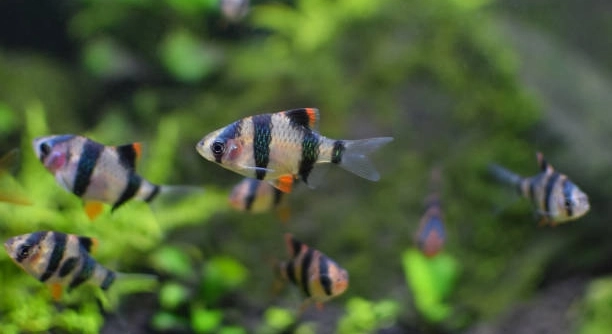
Have you ever set up a new tank for your tiger barbs and wondered if the water difference might affect them? Adjusting to a new environment can be a delicate process, especially for tropical fish like these.
Tiger barbs can adjust to new water types if the transition is gradual and controlled. Sudden changes in parameters such as pH, hardness, or temperature can lead to stress or illness, making proper acclimation essential for their well-being.
Water chemistry plays a vital role in their overall health, behavior, and lifespan, especially when transitioning between different aquatic setups.
Understanding Water Parameters for Tiger Barbs
Tiger barbs are hardy, but their health relies on stable water conditions. They thrive best in soft to moderately hard water, with a pH between 6.0 and 8.0. Temperature should stay between 74°F and 79°F. If your tank’s water differs from this, changes should be made gradually. Rapid shifts can cause stress or even shock. When introducing them to a new setup, test the water parameters in advance. Use a reliable testing kit to check for pH, hardness, ammonia, nitrite, and nitrate levels. If needed, adjust slowly over several days using methods like mixing existing water with the new source.
A slow acclimation process gives tiger barbs time to adjust and reduces the risk of stress-related health issues. Always monitor them closely during the first week.
Even though they can adapt, consistent maintenance is key. Regular water changes, filter care, and observation will help them remain active, vibrant, and comfortable in their new home.
Acclimating Tiger Barbs Properly
A proper acclimation routine will make all the difference. Rushing the process can weaken their immune system and affect long-term health.
Start by floating the transport bag in the new tank for about 20 minutes to equalize temperature. Then, gradually mix tank water into the bag—about a quarter cup every 5 to 10 minutes—for roughly an hour. This step-by-step blend helps the barbs adjust to differences in water chemistry. Once done, use a net to transfer the fish, not the bag water, to the tank. Observe them closely for any signs of stress like erratic swimming, gasping, or hiding. Keep lights dim at first and avoid feeding them for the first few hours. After 24 hours, perform a light water test to ensure parameters remain stable. Their activity and appetite are strong indicators that the adjustment went smoothly. Consistency and patience make the transition smoother and less risky.
Signs Your Tiger Barbs Are Struggling to Adjust
Stress can show quickly in tiger barbs when they’re not adjusting well. Common signs include faded color, clamped fins, erratic swimming, or staying in one spot. Some may also refuse food or act aggressively toward tank mates.
These changes usually happen when water parameters shift too fast. A high ammonia or nitrite reading can lead to rapid breathing or listlessness. If the water is too cold or too warm, you may see them moving slowly or trying to hide more often. Aggression might increase in stressful conditions, especially in smaller groups. A peaceful tank environment and stable water quality can help ease these symptoms. Look for improvement within a few days after correcting the issue. If not, testing the water and checking your filtration setup may point to a solution. Quick, calm responses are best when your fish show distress.
Avoid making more changes while they are already stressed. Let them settle.
Helping Them Adjust More Comfortably
Dim lighting, quiet surroundings, and a stable tank setup will support tiger barbs during adjustment. Try not to disturb them or move tank decorations too soon. Keeping their environment calm gives them time to settle.
Offer high-quality food once they’re ready to eat, but keep portions small. A balanced diet supports immunity and helps them recover from stress. Monitor their behavior and health daily, especially during the first two weeks. Check water parameters regularly to confirm that conditions are staying consistent. If needed, use water conditioners or buffers—but only in moderation. Always match the temperature and pH between water changes to avoid causing more stress. Avoid adding new tank mates or equipment during this period. Give them time to feel secure before making any other changes. Healthy, active fish are usually a sign that the adjustment has gone well. Letting them adapt without interruptions helps build their long-term stability.
Choosing the Right Water Source
Tap water is common, but it often needs treatment. Chlorine and heavy metals can harm tiger barbs, so always use a good water conditioner. Test the water before each use to check for pH and hardness levels.
Some prefer using filtered or reverse osmosis water. These options give more control over water parameters. However, they may require remineralization to provide essential nutrients. Choose what works best for your tank setup.
Maintaining Stability Over Time
Once tiger barbs are settled, avoid sudden changes in their environment. Perform small, regular water changes—about 20–25% weekly—to keep conditions clean and steady. Use the same water source, temperature, and treatment method every time. Monitor pH, hardness, and temperature at least once a week. Stick to a consistent feeding routine and avoid overcrowding. A stable tank keeps their stress low, which helps with immunity and long-term health. If any parameter shifts, correct it slowly. Sudden adjustments can undo progress and trigger new stress. Keeping the tank environment quiet and predictable makes a big difference in how well they continue to thrive.
When to Get Extra Help
If symptoms worsen or last longer than a few days, consult an aquarium specialist or vet. Long-term stress may lead to illness.
FAQ
Can tiger barbs tolerate hard water?
Tiger barbs can tolerate slightly hard water, but very hard water is not ideal for them. Their preferred range is soft to moderately hard, with general hardness (GH) between 4–10 dGH. If your water is too hard, you can mix it with reverse osmosis water or distilled water to lower the hardness. This makes it easier for tiger barbs to maintain their natural behaviors and reduces long-term health risks. Adjust the water gradually to avoid stress. Always test hardness before introducing them into a new tank or after water changes to keep levels consistent.
How long does it take for tiger barbs to adjust to new water?
Most tiger barbs will begin adjusting within 24 to 48 hours, but full acclimation can take up to a week or more. During this period, it’s important to monitor their behavior, appetite, and activity. You may notice them hiding or swimming less while adjusting. As long as water parameters remain stable and no signs of distress are present, they’ll usually adapt just fine. Avoid changing decorations or adding new fish during this time. Keeping the lights dim and the room quiet can help them settle faster. Give them space and observe closely for any warning signs.
Can I move tiger barbs from one tank to another with different water conditions?
Yes, but only if it’s done gradually. Moving tiger barbs between tanks with different water parameters without acclimation can cause shock. Use the drip method or the bag-floating method combined with gradual water mixing. This helps their system adjust to the new conditions slowly. If the temperature, pH, or hardness is significantly different, take more time with the acclimation—up to two hours or longer. Test both tanks before the move to understand the differences. Making small changes over time is much safer than sudden shifts. Always transfer them gently and avoid pouring transport water into the new tank.
What happens if the water is too cold or too warm?
If the water is too cold, tiger barbs may become sluggish, stop eating, or develop weakened immune systems. Water below 72°F is not recommended. On the other hand, if the water is too warm—above 82°F—they may breathe faster, swim erratically, or show increased aggression. Both extremes can lead to long-term stress or illness. Keep the temperature stable between 74°F and 79°F, and always check with a reliable aquarium thermometer. Sudden changes, even within the safe range, should still be avoided. A heater with a thermostat can help maintain consistent warmth throughout the tank.
Why are my tiger barbs gasping near the surface after a water change?
Gasping at the surface is often a sign of low oxygen or poor water quality. During or after a water change, this could mean the new water lacked proper aeration or the temperature and pH changed too quickly. It can also happen if the chlorine wasn’t fully removed. Always use a water conditioner and match the temperature. Try increasing aeration with an air stone or adjusting the filter output to improve water movement. If the problem continues, test for ammonia, nitrite, and oxygen levels. Addressing water quality issues quickly can help prevent further stress or illness.
Is it safe to use bottled or spring water for tiger barbs?
Bottled or spring water can be used, but it’s not always the best choice. Some bottled waters have added minerals or chemicals that aren’t safe for aquarium use. Others may lack essential minerals completely. Always check the label and test the water before use. Spring water with a stable pH and appropriate hardness can be suitable if treated properly. If using bottled water regularly, be consistent with the brand and test it often. For long-term care, filtered tap water with proper treatment is usually more reliable and easier to manage. Avoid switching sources too often.
Can tiger barbs live in well water?
Tiger barbs can live in well water if it meets the right conditions. Well water varies widely in pH, hardness, and mineral content, so you must test it before using it in your aquarium. Sometimes well water contains metals or has low oxygen levels. If the test results fall within the safe range—pH between 6.0 and 8.0, GH between 4–10 dGH—it may be fine. Using a conditioner and running the water through a filter before adding it to your tank is a good idea. Regular monitoring is essential to make sure the water remains stable and healthy.
Why is consistency more important than perfection in water conditions?
Tiger barbs can tolerate a range of water parameters, but what stresses them most is inconsistency. Even ideal water conditions will cause problems if they shift too often. A pH swing of just 0.5 or a temperature drop of a few degrees can lead to stress symptoms. The immune system weakens with constant changes, making fish more prone to disease. Instead of chasing perfect numbers, aim for stable conditions within a safe range. Frequent testing, gentle maintenance, and predictable routines are what keep tiger barbs healthy and active over time. Stability always leads to better outcomes than constant tweaking.
Final Thoughts
Tiger barbs are strong, active fish, but they still need careful attention when adjusting to new water types. Their health depends on steady, balanced conditions. While they can handle some changes, too much variation in temperature, pH, or hardness can cause stress. The best way to support them is by planning ahead, testing your water regularly, and making any changes slowly. Even a few small mistakes—like skipping water conditioning or changing water too fast—can affect how well they adjust. Keeping things stable helps them settle in without problems.
It’s also important to give them a calm, steady environment during their adjustment period. Avoid adding new fish, changing tank decorations, or making other sudden changes while they’re still getting used to the water. Watch how they behave and respond to small signs of stress, like hiding, gasping, or refusing food. These signs can tell you if something is off. If anything seems wrong, checking water quality should always be your first step. Most issues can be fixed with small, careful adjustments.
Once they are comfortable, tiger barbs are lively and fun to watch. They swim in groups, explore the tank, and respond well to consistent care. By choosing the right water, using proper acclimation methods, and maintaining stable conditions, you give them the best chance to stay healthy. You don’t need to aim for perfect numbers—just keep things steady and within the safe range. With time, patience, and regular monitoring, your tiger barbs can adjust well and thrive in their new water type. Keeping a simple routine can make a big difference in their well-being.

Hello,
If you enjoy the content that we create, please consider saying a "Thank You!" by leaving a tip.
Every little bit helps us continue crafting quality advice that supports the health, happiness, and well-being of pets around the world, for pets of all shapes, sizes, and species.
We really appreciate the kindness and support that you show us!