
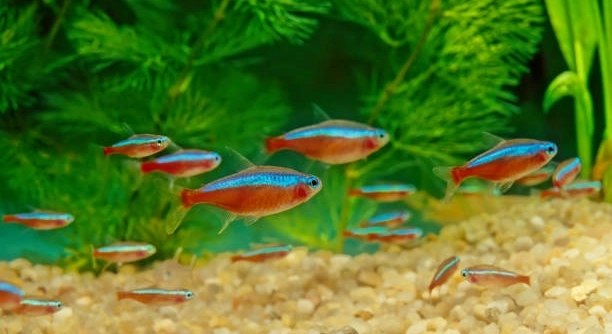
Tetras and betta fish are popular choices for home aquariums due to their vibrant colors and lively behavior. Many fish owners consider keeping them together but worry about compatibility. This article explores the basics of housing these species in the same tank.
Tetras can sometimes live with betta fish if certain conditions are met, including tank size, species selection, and careful monitoring of behavior. Proper preparation and attention to environmental needs reduce the risk of aggression and stress between the fish.
Understanding these important tips can help maintain a peaceful and healthy environment for both tetras and bettas in your aquarium. The following guidance offers practical advice for successful cohabitation.
Understanding Betta Fish Behavior
Betta fish are known for their vibrant colors and flowing fins, but they can also be quite territorial. Male bettas especially show aggression toward other fish that invade their space. This behavior is natural, as they are used to defending their territory in the wild. When introducing tetras, it is important to choose species that are fast swimmers and less likely to provoke the betta. Providing plenty of hiding spots and plants in the aquarium can help reduce stress and conflict. A peaceful environment allows both fish to coexist without constant confrontation. Understanding these behavior traits helps create a balanced tank setup that benefits all inhabitants.
Betta fish aggression varies between individuals, so observing your fish closely is essential. Not all bettas will tolerate tank mates, even if conditions are ideal.
If you notice signs of stress or fighting, separating the fish is necessary. Monitoring their interaction during the first few weeks is key to ensuring a harmonious aquarium.
Choosing Compatible Tetra Species
Some tetra species are more suitable for living with bettas than others. Neon tetras, ember tetras, and cardinal tetras are popular choices because of their small size and peaceful nature. They swim in groups and tend to avoid confrontation, which lowers the chances of aggressive encounters with a betta. Avoid larger or fin-nipping tetras, as they may irritate or harm the betta’s delicate fins. When selecting tetras, consider their temperament and how well they move within the tank space. Proper research ensures the right match for your betta’s personality and tank conditions.
Selecting the right tetras can greatly influence how peaceful your aquarium remains.
Introducing the fish gradually and keeping the group size appropriate supports a healthy community. Tetras need to feel secure and not threatened by the betta.
It is also important to maintain consistent water conditions and a clean tank to minimize stress for all fish. Stable parameters help keep bettas and tetras healthy and reduce the risk of illness.
A well-planned selection and gradual introduction make it possible for these fish to live together peacefully in a shared environment.
Tank Setup and Environment
A proper tank setup is essential for bettas and tetras to coexist peacefully. A minimum of 10 gallons is recommended to provide enough space and reduce territorial disputes. Adding live plants and hiding spots creates a natural environment that helps fish feel secure.
Providing ample hiding places prevents stress and aggressive behavior by giving both bettas and tetras spaces to retreat. Plants like Java fern, Anubias, and floating species soften territorial boundaries and improve water quality. Substrate choice also matters; smooth gravel or sand is best to avoid injury. Proper filtration maintains clean water without strong currents, as bettas prefer calm waters. Temperature should stay between 75°F and 80°F to accommodate both species comfortably. Maintaining stable conditions is key to keeping both fish healthy and peaceful.
Lighting should be moderate to simulate a natural day-night cycle. Avoid bright lights that might overstimulate the betta, which can cause stress. Regular water changes and monitoring water parameters also support a balanced environment where bettas and tetras thrive together.
Feeding Considerations
Both bettas and tetras have different dietary needs but can share similar foods with careful planning. Bettas require protein-rich diets, often enjoying pellets or flakes designed specifically for carnivorous fish. Tetras thrive on a mix of flakes, micro-pellets, and occasional live or frozen foods like brine shrimp.
Feeding should be done in small portions to prevent leftover food that can pollute the tank. Observing each species during feeding ensures they receive enough nutrition without competing aggressively. Bettas are slow eaters compared to the quick-moving tetras, so feeding them separately or closer to their territory can help. It is important not to overfeed, as excess food increases waste and affects water quality. A balanced diet supports the health and coloration of both fish.
Regular feeding times establish a routine, reducing stress and aggressive behavior around food. Supplementing with occasional treats can boost vitality but should not replace staple diets. Monitoring fish condition helps adjust feeding habits over time to maintain overall tank harmony.
Monitoring Fish Interaction
Watching how bettas and tetras interact is crucial for a peaceful tank. Early signs of aggression or stress should be addressed quickly. Separating fish may be necessary if conflicts persist.
Regular observation helps detect changes in behavior or health. It also allows adjustments to tank conditions or fish groupings to improve harmony.
Signs of Stress in Bettas and Tetras
Stress can show through hiding, loss of color, or reduced appetite. Aggressive chasing or fin damage are also warning signs. Addressing tank setup or water quality often helps reduce stress.
Ensuring both species have enough space and hiding spots can prevent many common issues. Quick action can protect fish health and maintain peace.
Water Quality Maintenance
Maintaining clean water is essential for both bettas and tetras. Frequent water changes and proper filtration help keep toxins low and oxygen levels high.
Good water quality supports the immune system, reducing illness risks and promoting long-term well-being for all tank inhabitants.
Tank Size Recommendations
A tank size of at least 10 gallons is necessary to reduce stress and aggression. Larger tanks provide more swimming space and hiding places.
Adequate space supports natural behavior and improves coexistence chances between bettas and tetras.
FAQ
Can bettas and tetras live together long-term?
Yes, bettas and tetras can live together long-term if the tank conditions are right. Tank size, species choice, and environment setup must be carefully managed. Bettas need space to claim territory, and tetras should be peaceful and quick swimmers to avoid conflict. Proper hiding spots and stable water conditions also support long-term cohabitation.
What is the ideal tank size for bettas and tetras?
A minimum of 10 gallons is recommended for keeping bettas with tetras. This size provides enough room for both species to establish their own space and reduces aggressive encounters. Larger tanks offer more swimming room and places to hide, which further decreases stress and competition.
How many tetras should be kept with a betta?
It’s best to keep tetras in groups of at least six. Tetras are schooling fish and feel more secure in groups. Keeping a small group also helps spread out their movement, which can distract the betta and reduce the chances of aggressive behavior. Avoid overcrowding to maintain water quality and fish health.
What tetra species are safest to keep with bettas?
Neon tetras, ember tetras, and cardinal tetras are commonly recommended. They are small, peaceful, and fast swimmers, which helps them avoid betta aggression. Avoid larger or fin-nipping tetras, such as serpae tetras, since they might provoke the betta or cause injury.
Can bettas hurt tetras?
Bettas can sometimes be aggressive and nip at tetras, especially if the tank is too small or lacks hiding spaces. This behavior usually stems from territorial instincts or stress. Providing plenty of plants and decor helps break lines of sight and lowers aggression risk.
How do I feed bettas and tetras together?
Feed in small amounts to avoid leftover food. Bettas prefer protein-rich pellets or flakes, while tetras eat flakes and small live or frozen foods. Feeding bettas closer to their favorite spot helps ensure they get enough before tetras eat the rest. Regular feeding schedules help reduce competition.
What water temperature is best for both fish?
Both bettas and tetras thrive in water between 75°F and 80°F. Maintaining stable temperature within this range helps prevent stress and illness. Use a reliable heater and thermometer to keep conditions steady.
How often should I change the water?
Perform a 25-30% water change weekly to maintain water quality. Regular changes remove waste and toxins that build up, helping both fish stay healthy. Use a water conditioner to treat tap water before adding it to the tank.
What signs show my betta or tetra is stressed?
Signs include hiding excessively, faded color, clamped fins, reduced appetite, or erratic swimming. Aggression between fish and damaged fins can also indicate stress. Adjusting tank setup, water quality, or separating aggressive fish can help reduce stress.
Should I quarantine new fish before adding them to the tank?
Yes, quarantining new fish for at least two weeks helps prevent diseases from spreading. It also allows observation of behavior and health before introducing them to your main tank. This step protects your existing fish from potential illness.
Can female bettas live better with tetras than males?
Female bettas tend to be less aggressive than males and may coexist more peacefully with tetras. However, individual temperament varies. Female bettas still need enough space and hiding spots to reduce conflict.
What plants work best for betta and tetra tanks?
Java fern, Anubias, and floating plants like duckweed are good choices. These plants provide hiding places without requiring strong light. They also help improve water quality and create a calming environment.
Is a filter necessary for a betta and tetra tank?
Yes, a gentle filter is important to keep water clean and oxygenated. Bettas prefer calm water, so avoid strong currents. Proper filtration supports a healthy habitat for both fish.
How can I reduce aggression if it starts?
Increase hiding spots and rearrange tank decor to disrupt territorial behavior. Consider adding plants or decorations to create visual barriers. If aggression continues, separate the fish to prevent injury.
Can bettas and tetras share the same diet?
Their diets overlap but are not identical. Bettas need more protein-rich foods, while tetras prefer a balanced mix of flakes and occasional live or frozen foods. Feeding both with appropriate foods ensures health and reduces competition.
Are there any diseases common when bettas and tetras live together?
Both species are susceptible to common freshwater diseases like ich and fin rot. Maintaining clean water and quarantining new fish helps prevent outbreaks. Early detection and treatment are key to keeping your fish healthy.
Keeping bettas and tetras together can work well with proper care and attention. Both fish have different needs, but they can share a tank peacefully when the right conditions are met. The size of the tank plays a big role, as it gives each fish enough space to avoid constant conflict. Providing plenty of plants and hiding places helps both bettas and tetras feel safe. This reduces stress and aggressive behavior, which are common problems when fish feel crowded or threatened. It is important to choose peaceful tetra species that move quickly and don’t bother the betta. Understanding each fish’s behavior helps create a balanced environment where they can coexist without harm.
Feeding habits and water quality are also important factors to consider. Bettas need a protein-rich diet, while tetras do well with a mix of flakes and occasional live food. Feeding small amounts and observing how the fish eat can prevent competition and keep everyone healthy. Keeping the water clean with regular changes and using a gentle filter supports the health of both species. Temperature should be kept steady between 75°F and 80°F to suit both bettas and tetras. Monitoring the fish regularly for signs of stress or illness is necessary. Early detection allows for quick action, which can prevent bigger problems later.
Even with all the right conditions, not all bettas will get along with tetras. Individual temperaments vary, so it is important to watch how your fish interact closely, especially in the beginning. Some bettas may be more aggressive and need to be kept alone or with other tank mates better suited to their behavior. Providing enough space, hiding spots, and maintaining good water quality increases the chances of success. With careful planning and care, bettas and tetras can share a tank peacefully, offering an attractive and lively aquarium display.

Hello,
If you enjoy the content that we create, please consider saying a "Thank You!" by leaving a tip.
Every little bit helps us continue crafting quality advice that supports the health, happiness, and well-being of pets around the world, for pets of all shapes, sizes, and species.
We really appreciate the kindness and support that you show us!