
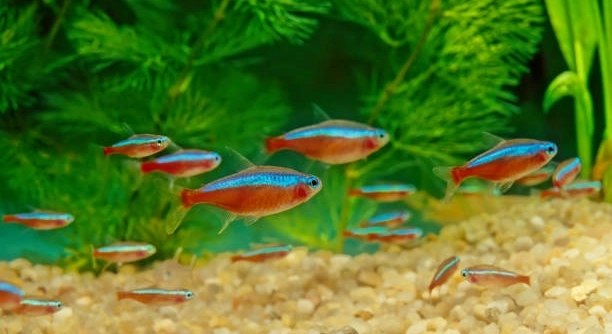
Many aquarium enthusiasts enjoy keeping tetras because of their vibrant colors and peaceful nature. Tetras are often kept in various water conditions, which can affect their health and behavior. Understanding the right environment is important for their well-being.
Tetras can live in hard water, but their health depends on how hard the water is and other water quality factors. They generally prefer softer water, but moderate hardness can be tolerated if conditions are stable and appropriate.
Knowing the key factors that influence tetra survival in hard water will help you create a better habitat for them. This article explains what matters most for your fish’s comfort and health.
What Is Hard Water?
Hard water contains a high level of minerals, mainly calcium and magnesium. These minerals come from rocks and soil as water passes through them. The hardness of water is measured in parts per million (ppm) or degrees of hardness. Hard water can affect the environment where tetras live, especially in home aquariums. Some fish handle hard water well, while others prefer soft or slightly hard water. For tetras, soft to moderately hard water is usually best. Hard water can change the balance of minerals and pH in the tank. It may also influence how the fish’s body functions. Keeping the water consistent is key to maintaining their health.
Hard water is common in many areas and is not always bad for fish if managed correctly.
Knowing how hard your water is helps you provide the right conditions. Testing your water regularly can prevent problems before they start and keep your tetras healthy and active.
How Hard Water Affects Tetras
Hard water can change how well tetras absorb oxygen and nutrients. Their gills may work harder in very hard water, causing stress. This can lead to weakened immune systems and make them more likely to get sick. Tetras also prefer slightly acidic to neutral pH levels, which hard water can raise. Higher pH levels might cause discomfort or reduce their lifespan. Some tetras adapt over time, but sudden changes in water hardness can be harmful. It’s important to keep the water stable and avoid quick shifts in hardness or pH. Using water conditioners or mixing soft water with hard water can help balance the tank’s environment.
Fish kept in hard water need good filtration and regular water changes to maintain quality. Plants and beneficial bacteria also support a healthy tank by helping to manage mineral levels. Proper care and monitoring ensure tetras live comfortably, even if the water is harder than their ideal range.
Signs of Stress in Tetras Due to Hard Water
Tetras stressed by hard water may show dull colors or hide more than usual. They might also swim erratically or gasp at the surface.
Stress affects their immune system, making them vulnerable to diseases like fin rot or ich. Watch for changes in behavior or appetite, as these often signal discomfort. Early detection helps prevent serious health problems.
Stress from hard water can also weaken their resistance to parasites. A stressed tetra may lose weight or become lethargic. Regular observation and water testing can help catch these issues early, allowing you to adjust the environment before permanent damage occurs.
Adjusting Water Hardness for Tetras
If your water is too hard, mixing it with distilled or reverse osmosis water can soften it. This helps bring the hardness to a safer level for tetras.
Using commercial water conditioners can also neutralize excess minerals, making the tank environment more comfortable. However, always introduce changes slowly to avoid shocking the fish. Sudden shifts in water parameters can cause more harm than steady hard water.
Regular testing is key to maintaining balance. Monitor hardness and pH to ensure the water remains within the range tetras tolerate. Maintaining consistency is more important than perfect numbers, so avoid drastic changes and aim for gradual improvement over time.
Ideal Water Parameters for Tetras
Tetras thrive best in water with a hardness of 3 to 8 dGH (degrees of General Hardness). The pH should ideally be between 6.0 and 7.5 for their comfort.
Maintaining stable water conditions within this range helps keep tetras healthy and active over time.
How to Test Water Hardness
Water hardness can be tested using aquarium test kits, which are affordable and easy to use. These kits measure calcium and magnesium levels accurately.
Testing your water regularly helps track changes and prevents sudden shifts that can stress your fish.
Common Sources of Hard Water
Hard water often comes from well water or certain city supplies rich in minerals. Rocks, soil, and pipes can all add minerals to the water.
Knowing your water source helps you decide if treatment or mixing with softer water is necessary for your tetras’ health.
Benefits of Soft Water for Tetras
Soft water mimics the natural habitats of many tetra species, promoting better health and brighter colors. It also supports proper breeding and reduces stress.
FAQ
Can tetras survive in very hard water?
Tetras can survive in hard water to some extent, but very hard water can cause long-term stress. Their natural preference is for softer water, so consistently hard water might lead to health problems like weakened immune systems or difficulty breathing. If your water is very hard, it’s best to soften it gradually to avoid harming your fish.
How often should I test my aquarium water?
Testing your water at least once a week is a good practice. Regular checks help catch changes in hardness, pH, or other important parameters before they affect your tetras. More frequent testing may be needed if you notice signs of stress or after adding new fish or plants.
What’s the best way to soften hard water?
You can soften hard water by mixing it with distilled or reverse osmosis (RO) water. This lowers the mineral content gradually. Using commercial water conditioners designed for aquariums can also help. Always make changes slowly to prevent shocking your fish.
Is it okay to keep different fish species with tetras in hard water?
Some fish tolerate hard water better than tetras, so mixing species requires caution. Choose fish with similar water preferences to avoid stress. Research each species’ ideal conditions before combining them.
Can plants help manage water hardness?
Certain live plants can absorb minerals and improve water quality. They contribute to a healthier tank environment by competing with algae and supporting beneficial bacteria. While plants won’t drastically change hardness, they help maintain balance.
Does water hardness affect fish breeding?
Yes, water hardness influences breeding success. Tetras often breed more easily in softer water with stable parameters. Hard water may reduce spawning behavior or lead to lower egg viability. If breeding is a goal, adjusting hardness to suit the species’ needs is important.
What signs show my tetras are unhappy with the water hardness?
Look for faded colors, reduced activity, hiding, or unusual swimming. They might also lose appetite or show physical signs like clamped fins. These are indicators that water conditions may be unsuitable.
Are water hardness and pH the same thing?
No, water hardness measures mineral content, mainly calcium and magnesium. pH measures how acidic or alkaline the water is. Both affect fish health but are separate factors. Hard water can raise pH, but they don’t always change together.
Can sudden changes in hardness harm my tetras?
Sudden changes are harmful and stressful. Always adjust hardness slowly over days or weeks. Rapid shifts can cause shock, illness, or even death.
Is tap water safe for tetras in hard water areas?
Tap water safety depends on local treatment and hardness levels. In hard water areas, tap water may need treatment or dilution to suit tetras. Always test tap water before use and treat it if necessary to remove chlorine or adjust hardness.
What equipment helps manage hard water conditions?
Water softeners, reverse osmosis systems, and high-quality filtration can help control hardness. Using test kits regularly ensures the environment stays stable and safe.
Do all tetra species prefer soft water?
Most tetras prefer soft to moderately hard water, but some species are more tolerant of harder water. Research your specific tetra species to understand their ideal conditions. Adjust your tank accordingly.
How does hard water affect the fish’s body?
Hard water minerals can build up on fish gills, making it harder for them to breathe. It can also affect their skin and scales, causing irritation or stress.
Can I treat hard water with natural substances?
Yes, adding peat moss or driftwood can soften water naturally by releasing tannins. This lowers hardness and pH gently, creating a more natural environment for tetras.
Should I change water more often in hard water tanks?
Regular water changes are important regardless of hardness. In hard water tanks, frequent partial changes help keep mineral levels from building up too much and maintain water quality.
These answers cover common concerns and help keep tetras comfortable in hard water conditions. Regular care and monitoring are key to success.
Tetras are popular fish that many people enjoy keeping in home aquariums. They are known for their bright colors and peaceful behavior. When it comes to water hardness, tetras do best in soft to moderately hard water. Hard water, which has a high amount of minerals like calcium and magnesium, can sometimes cause stress or health problems for them. However, with careful management, tetras can live in water that is slightly hard. The key is to keep the water conditions stable and avoid sudden changes that can upset the fish. Regular testing and adjusting the water as needed helps create a comfortable environment for tetras to thrive.
If your tap water is hard, there are several ways to make it better for your fish. You can mix hard water with distilled or reverse osmosis water to lower the hardness slowly. Using water conditioners or adding natural materials like driftwood or peat moss can also help soften the water and lower the pH. It is important to make any changes gradually, so the tetras have time to adjust. Sudden shifts in water conditions can cause more harm than keeping slightly hard but stable water. Watching your fish closely for signs of stress, such as dull colors or less activity, can help you know when adjustments are needed.
In the end, the health of your tetras depends on maintaining balanced water conditions that suit their needs. While hard water is not ideal, it can be managed with regular care and attention. Testing your water regularly, making slow changes when necessary, and keeping the tank clean are all important steps. Providing a good environment means your tetras will live longer and show their best colors. Being patient and attentive to your fish’s needs will make keeping tetras a rewarding experience, even if your water is not perfect.

Hello,
If you enjoy the content that we create, please consider saying a "Thank You!" by leaving a tip.
Every little bit helps us continue crafting quality advice that supports the health, happiness, and well-being of pets around the world, for pets of all shapes, sizes, and species.
We really appreciate the kindness and support that you show us!