
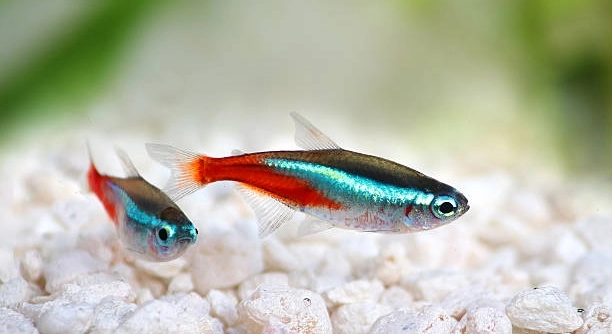
Tetras are popular freshwater fish known for their vibrant colors and peaceful nature. Many owners enjoy watching them swim happily in aquariums. However, like other pets, tetras can experience changes in behavior that may signal health concerns.
Tetras can exhibit signs of depression, which often manifest as lethargy, loss of appetite, and reduced interaction with their environment. Environmental stressors, poor water quality, and lack of stimulation are common factors contributing to these behavioral changes.
Recognizing these warning signs early can help ensure your tetra’s well-being. This article highlights seven important indicators to watch for, supporting you in keeping your fish healthy and content.
What Causes Depression in Tetras
Tetras can become depressed due to several factors, mostly related to their environment. Poor water quality is one of the biggest reasons. If the water is dirty or has harmful chemicals, tetras can get stressed and sick. Another common cause is overcrowding in the tank. Too many fish in a small space can make tetras feel unsafe and stressed. Lack of stimulation also affects them. Without plants, hiding spots, or interaction, they may become bored and withdrawn. Sudden changes, like temperature shifts or new tank mates, can also upset their balance. Proper care includes regular water changes, maintaining the right temperature, and providing enough space. Keeping their environment stable and comfortable is essential to prevent depression and keep them active and healthy.
Depression in tetras is often linked to stress from poor living conditions. Avoiding these issues is key to their happiness.
Providing clean water and a stable environment helps tetras thrive. Small changes in care can make a big difference in their behavior and health.
Recognizing Warning Signs of Depression in Tetras
Tetras show depression through changes in behavior and appearance. One common sign is a lack of energy; they may stay still at the bottom of the tank or hide more than usual. Another sign is loss of appetite, where they refuse food or eat less than normal. You might notice their colors fading or their fins clamping close to their body. Social tetras may stop swimming with their group and isolate themselves. Sometimes they float near the surface or rest on decorations for long periods. These signs indicate the fish is not feeling well emotionally or physically.
Watching your tetra’s behavior closely helps catch these symptoms early.
It’s important to act quickly if you notice these signs. Start by testing the water quality and checking tank conditions. Improving water parameters like ammonia, nitrite, and nitrate levels can relieve stress. Make sure the temperature is steady and suitable for tetras, usually between 72–80°F. Adding plants or decorations provides hiding spots and stimulation, reducing boredom. If overcrowding is an issue, consider rehoming some fish to give them more space. Feeding a balanced diet regularly also supports their health. Sometimes simply adjusting the environment is enough to bring your tetra back to normal behavior. If symptoms continue, consulting an aquatic vet may be necessary for proper treatment.
Common Behavioral Changes in Depressed Tetras
Depressed tetras often become less active. They may hide frequently or stay in one spot for long periods. Their usual curiosity and interaction with tank mates decrease significantly.
These changes in behavior are important indicators. When a tetra stops exploring or swimming actively, it can suggest stress or illness. Social fish like tetras rely on group interactions for mental stimulation. If a fish isolates itself, it’s a sign something is wrong. Loss of appetite often follows these behavioral shifts, further weakening the fish. Noticing these changes early allows you to adjust the environment and care to help your tetra recover before problems worsen.
Sometimes, tetras might also show signs like rapid gill movement or erratic swimming. These behaviors can point to discomfort or poor water quality. Monitoring these subtle signs helps prevent long-term issues and supports your tetra’s overall health.
Environmental Adjustments to Improve Tetra Mood
Improving your tetra’s environment is crucial to prevent or reduce depression. Regular water changes keep the tank clean and free from toxins that stress fish. Maintaining stable water temperature and pH supports their well-being.
Adding live plants and decorations offers hiding spots and stimulation, helping tetras feel secure. A proper tank size with enough swimming space reduces overcrowding stress. Introducing gentle tank mates encourages natural social behavior. Feeding a varied diet with quality flakes or pellets provides essential nutrients. Avoid overfeeding to prevent water pollution. Consistency in care routines also helps fish feel safe and comfortable. These simple changes create a healthier environment that supports your tetra’s mental and physical health over time.
How Water Quality Affects Tetra Behavior
Water quality directly impacts tetra health and mood. Poor conditions cause stress, leading to behavioral changes like hiding and reduced activity.
Regular testing of ammonia, nitrite, and nitrate levels is essential. Clean, well-maintained water keeps tetras active and healthy.
Importance of Social Interaction
Tetras are schooling fish and need companions. Isolation can lead to depression and lethargy.
Keeping them in groups of six or more promotes natural behavior and mental stimulation. Social interaction supports their overall well-being and happiness.
Feeding Habits and Depression
Tetras may lose interest in food when stressed or depressed. Changes in appetite can signal health issues.
Providing a balanced diet and feeding on a schedule helps maintain their energy and mood.
When to Seek Professional Help
If symptoms persist despite environmental improvements, professional advice is needed.
Veterinarians specializing in fish can diagnose underlying problems and recommend treatments.
FAQ
Can tetras really get depressed?
Yes, tetras can show signs similar to depression. While fish don’t experience emotions exactly like humans, stress and poor conditions can cause behaviors that resemble sadness or lethargy. These include hiding, loss of appetite, and reduced activity.
What are the main causes of depression in tetras?
The main causes include poor water quality, overcrowding, lack of stimulation, sudden changes in their environment, and illness. Any of these factors can increase stress levels, leading to behavioral changes often mistaken for depression.
How can I improve my tetra’s environment to prevent depression?
Keep the water clean by performing regular changes and testing for ammonia, nitrites, and nitrates. Maintain stable temperature and pH. Add plants and decorations for hiding places. Avoid overcrowding by keeping an appropriate number of fish. Feed a balanced diet and provide consistent care.
How many tetras should be kept together?
Tetras are schooling fish and should be kept in groups of at least six. Smaller groups can lead to stress and isolation, which may cause depression-like symptoms.
What are signs that my tetra might be depressed?
Look for decreased activity, hiding more than usual, loss of appetite, faded colors, clamped fins, and social withdrawal. These signs often appear gradually and may worsen if the cause is not addressed.
Can poor water quality make my tetra sick?
Absolutely. Poor water conditions are a major stress factor for tetras. High levels of ammonia, nitrites, or nitrates can cause illness and behavioral changes that resemble depression.
How often should I change the water in my tetra tank?
Changing 20-30% of the water weekly is recommended. This helps keep the environment clean and reduces harmful toxins. Frequent partial water changes are better than infrequent large ones.
What should I feed my tetras?
A varied diet is best. Use high-quality flakes or pellets designed for small tropical fish. Occasionally supplement with live or frozen foods like brine shrimp or daphnia to keep them healthy and engaged.
Can sudden changes in the tank cause depression?
Yes, sudden temperature shifts, new tank mates, or rearranging decorations can stress tetras. They thrive in stable environments, so avoid abrupt changes when possible.
When should I consult a vet about my tetra’s behavior?
If you’ve corrected environmental factors but your tetra still shows signs of distress like lethargy or loss of appetite, it’s time to seek professional help. A vet can diagnose illness or other underlying issues.
Can tetras recover from depression?
With proper care and a good environment, tetras can often return to normal behavior. Early intervention makes recovery more likely. Consistent water quality and social interaction are key.
Is it normal for tetras to hide sometimes?
Yes, occasional hiding is natural, especially during rest or after sudden disturbances. However, frequent or prolonged hiding can be a sign of stress or illness.
How can I stimulate my tetra mentally?
Provide plants, decorations, and enough swimming space. Introduce new objects occasionally to keep their environment interesting. Keeping them in a group also encourages natural schooling behavior.
Are certain tetra species more prone to depression?
No specific species is known to be more prone, but all tetras benefit from proper care. Stress affects them similarly, so environment and social needs matter most.
Can overcrowding cause depression in tetras?
Yes, overcrowding leads to competition for resources and increased waste, causing stress. Make sure your tank is appropriately sized for the number of fish.
What temperature is best for tetras?
Most tetras thrive between 72°F and 80°F (22°C–27°C). Keeping a stable temperature within this range reduces stress and supports their health.
Is it okay to keep tetras with other fish?
Tetras generally get along with peaceful tank mates. Avoid aggressive or much larger species that can intimidate or harm them. Compatibility helps reduce stress and promote a calm environment.
Can lack of light affect tetra behavior?
Yes, tetras need a regular light cycle to maintain their natural rhythms. Too much or too little light can disturb their behavior and stress levels. Aim for about 8–10 hours of light daily.
What if my tetra loses color?
Fading colors can be a sign of stress, illness, or poor water quality. Check tank conditions and feeding routines. Improving care usually helps colors return.
Can tetras get lonely?
Tetras are social fish and do best in groups. Isolation can cause stress and abnormal behavior, so keeping them in groups prevents loneliness-like symptoms.
Are there supplements to improve tetra mood?
Some hobbyists use aquarium-safe plant extracts or vitamins to support fish health, but the best approach is maintaining clean water, good nutrition, and proper social environment.
This FAQ aims to cover common concerns about tetra depression and how to keep your fish healthy and happy.
Tetras are delicate fish that rely heavily on their environment to stay healthy and active. Their behavior often reflects their well-being, so noticing changes is important. When tetras show signs of depression, it usually points to issues like poor water quality, stress from overcrowding, or lack of stimulation. Taking care of these factors can prevent many problems and help your tetras live longer, healthier lives. Proper care requires attention to water cleanliness, temperature stability, and providing a comfortable, enriched habitat. A tank with plants, hiding spots, and enough space for swimming supports their natural behaviors and reduces stress.
Keeping tetras in groups is another key aspect of their care. These fish naturally swim in schools and depend on social interaction to feel secure. When isolated or kept in small numbers, tetras may become withdrawn and less active, which can appear like depression. Providing companions encourages their natural schooling instincts and keeps them mentally engaged. Feeding them a balanced diet and maintaining a consistent routine also play a role in their overall health. Even small changes like improving water quality or adding decorations can lead to noticeable improvements in their behavior and mood.
Regular observation is crucial for recognizing early signs of distress in tetras. Paying close attention to their activity levels, appetite, and appearance allows for quick intervention before problems worsen. If changes in behavior persist despite improvements to their environment, consulting a professional experienced with fish health may be necessary. Overall, meeting your tetras’ basic needs through clean water, proper social groups, good nutrition, and a stable environment helps minimize stress and promotes a vibrant, lively aquarium. This careful approach benefits both the fish and the enjoyment of watching them thrive.

Hello,
If you enjoy the content that we create, please consider saying a "Thank You!" by leaving a tip.
Every little bit helps us continue crafting quality advice that supports the health, happiness, and well-being of pets around the world, for pets of all shapes, sizes, and species.
We really appreciate the kindness and support that you show us!