
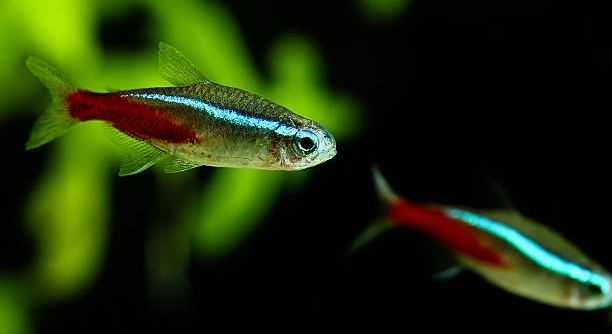
Tetras and barbs are popular choices for many freshwater aquariums. Their bright colors and active nature make them appealing to fishkeepers. However, mixing different species can sometimes lead to unexpected challenges or harmony.
Tetras can get along with barbs under certain conditions, but compatibility depends on species temperament, tank size, and environmental factors. Careful observation and proper setup are essential to maintain a peaceful community aquarium.
Knowing these key points will help you create a balanced tank where both fish can thrive comfortably. Understanding their behavior and needs is important for success.
Understanding Tetra and Barb Behavior
Tetras are generally peaceful fish, known for their calm swimming and schooling behavior. Barbs, on the other hand, are more active and sometimes aggressive, especially species like tiger barbs. This difference in temperament can create tension in the same tank. When barbs feel confined or stressed, they may nip at slower-moving fish like tetras. Tetras usually avoid confrontation by staying in groups, which helps reduce stress and aggression from tankmates. Knowing these behavior traits helps in deciding which species can live together comfortably. Keeping barbs in larger groups reduces their aggression because they focus more on each other. For a mixed community tank, balancing numbers and providing hiding spots can ease tensions. It is also important to keep the tank clean and maintain stable water conditions, as stress can make aggression worse.
Barbs require more space to swim actively, while tetras appreciate quieter areas to school safely.
Adding plants and decorations helps create natural barriers, reducing direct contact between the two fish types and lowering chances of conflict.
Tank Size and Setup
Choosing the right tank size is critical when mixing tetras and barbs. A small tank often leads to overcrowding, which increases stress and aggressive behaviors. Ideally, a tank should be at least 30 gallons or larger to provide enough space for both species to swim freely and establish their own territories. Overcrowding can cause barbs to chase tetras constantly, leading to injury or illness. Apart from size, the tank setup is just as important. Dense plants, rocks, and caves offer hiding places for tetras to retreat when needed. Barbs tend to be more bold, so they usually occupy the open swimming areas. This natural division of space can reduce clashes. Also, proper filtration and regular water changes help keep the environment healthy, preventing stress-related aggression. Lighting should be moderate, as bright light may stress some tetra species. Lastly, feeding should be balanced; competition for food can sometimes increase aggressive behavior, so multiple feeding spots are beneficial.
A well-planned tank can support a peaceful community, even with these different species.
Feeding Habits and Compatibility
Tetras and barbs have similar diets but different feeding behaviors. Tetras tend to be more timid at feeding time, while barbs are more aggressive and quick to grab food.
Barbs often eat faster and can dominate feeding areas, which may leave tetras struggling for food. It’s important to distribute food evenly across the tank and offer sinking flakes or pellets, along with occasional live or frozen foods. Feeding multiple times a day in smaller portions helps reduce competition. Barbs are less picky and will eat a variety of foods, whereas tetras benefit from a balanced diet rich in plant matter and protein.
Ensuring both species receive enough nutrition without stress requires patience. Using feeding rings or targeting different areas of the tank can help. Feeding separately or monitoring meal times closely also ensures tetras don’t get outcompeted, keeping both species healthy and content.
Signs of Stress and Aggression
Stress in tetras can show as faded colors, hiding, or erratic swimming. Barbs may chase or nip when stressed or bored.
Stress often results from overcrowding, poor water quality, or incompatible tankmates. Barbs may become more aggressive if their needs aren’t met, making peaceful coexistence difficult. Keeping an eye on behavior daily helps catch early signs. Stress can weaken fish immune systems, leading to illness.
To reduce stress, ensure plenty of swimming space, proper diet, and environmental enrichment. Separate aggressive fish if needed to prevent injury. Regular water testing and tank maintenance also create a stable environment where both species can live calmly. Being proactive is key to a healthy tank community.
Ideal Tank Mates for Tetras and Barbs
Choosing compatible tank mates is essential when keeping tetras and barbs together. Avoid very slow-moving or long-finned fish, as barbs may nip at them.
Good companions include peaceful bottom dwellers like Corydoras catfish and fast swimmers like danios, which balance the tank’s activity level without adding aggression.
Water Parameters and Conditions
Both tetras and barbs thrive in similar water conditions. The ideal temperature range is between 72°F and 78°F. They prefer slightly acidic to neutral pH levels, around 6.0 to 7.5. Consistent water quality with low ammonia and nitrates is critical. Regular water changes and proper filtration help maintain these parameters, ensuring a healthy environment where both species can flourish.
Breeding Considerations
Breeding tetras and barbs in a community tank is challenging because barbs may stress or harm the fry. Separate breeding tanks or careful monitoring is recommended.
FAQ
Can tetras and barbs live peacefully together?
Yes, tetras and barbs can live together peacefully if the tank is large enough and properly set up. Providing plenty of hiding spaces and keeping barbs in groups reduces their aggression. It’s important to watch their behavior closely, especially at first, to prevent bullying.
What species of barbs are best with tetras?
Smaller, less aggressive barbs like cherry barbs are better suited to live with tetras. Tiger barbs tend to be more aggressive and may nip at tetras or other peaceful fish. Choosing calm barb species helps maintain a balanced community tank.
How many barbs should I keep together?
Barbs should be kept in groups of at least six to help spread out aggression. When barbs have enough companions, they focus more on each other and less on other fish like tetras. Smaller groups can lead to more aggressive behavior directed at tankmates.
Do tetras need to be in groups?
Tetras are schooling fish and feel safer and less stressed when kept in groups of six or more. Being in groups helps them show natural behavior and reduces stress caused by more active tankmates like barbs.
What tank size is best for mixing tetras and barbs?
A tank of 30 gallons or larger is ideal for mixing tetras and barbs. This size gives enough space for swimming and helps prevent territorial disputes. Smaller tanks increase stress and aggression, which can harm both species.
How should I feed tetras and barbs together?
Feed small amounts several times a day and spread food across the tank to reduce competition. Using sinking pellets and flakes together can help both species eat comfortably. Barbs may be faster eaters, so watching feeding time ensures tetras get their share.
How can I tell if barbs are stressing tetras?
Signs include tetras hiding more, losing color, or swimming erratically. Barbs chasing tetras aggressively is a clear sign of stress. If these behaviors persist, consider rearranging the tank or separating the fish to reduce aggression.
Can barbs and tetras share the same water conditions?
Yes, both prefer similar water conditions: temperatures between 72°F and 78°F, pH from 6.0 to 7.5, and clean, well-filtered water. Maintaining stable water quality benefits both species and helps reduce stress and illness.
Should I breed tetras and barbs in the same tank?
Breeding both species together is difficult because barbs may eat the tetra fry or disturb the breeding process. It’s better to use separate tanks if breeding is a goal, or closely monitor to protect fry in a community setting.
What decorations help reduce aggression between tetras and barbs?
Plants, rocks, and caves create hiding spots and visual barriers, reducing direct contact. Dense planting helps tetras feel safe, while open swimming areas accommodate barbs. This natural division of space lowers chances of conflict and stress.
How often should I change the water in a tank with tetras and barbs?
Regular water changes, about 25% weekly, keep the tank environment healthy. Good water quality reduces stress and aggressive behavior. Combine this with proper filtration to maintain stable conditions for both species.
Can I keep other fish with tetras and barbs?
Yes, peaceful bottom dwellers like Corydoras and fast swimmers like danios make good tank mates. Avoid slow or long-finned fish, as barbs may nip at them. Selecting compatible species helps create a harmonious community tank.
What is the best way to introduce barbs and tetras?
Introduce tetras first to let them settle, then add barbs slowly. Monitor interactions carefully during the first days. Rearranging the tank before adding new fish can reduce territorial behavior and ease introductions.
What signs indicate that barbs are too aggressive?
Constant chasing, fin nipping, and stressed or injured tetras show aggression is too high. If these signs appear often, increasing tank size, adding hiding spots, or separating aggressive barbs is necessary.
How do I reduce aggression if it happens?
Add more plants or decorations for hiding, increase tank size if possible, and keep barbs in larger groups. Feeding in multiple spots and maintaining good water quality also help lower stress and aggression. In severe cases, separate fish to protect the more peaceful species.
Final Thoughts
Mixing tetras and barbs in the same aquarium can work well if you plan carefully. These two types of fish have different personalities—tetras tend to be peaceful and shy, while barbs are more active and sometimes a bit aggressive. Understanding these differences is important for creating a tank where both can live comfortably. Providing enough space, proper hiding spots, and keeping barbs in groups helps reduce tension and aggression. Paying attention to their behavior regularly will help catch problems early before they become serious.
Tank size plays a major role in whether tetras and barbs get along. A larger tank of at least 30 gallons gives both species room to swim freely and avoid each other when needed. Without enough space, barbs may chase tetras too much, causing stress and even injury. Decorations like plants, rocks, and caves create natural barriers that help fish feel secure. This separation allows tetras to school calmly while barbs swim actively in open areas. Keeping water clean and stable is also essential, since poor conditions can increase aggression and make fish sick.
Feeding is another factor that affects harmony between these fish. Barbs tend to be quick eaters and may outcompete tetras if food is not distributed well. Feeding smaller amounts multiple times a day and spreading food around the tank gives tetras a better chance to eat without stress. Watching how your fish eat can help you adjust feeding methods to fit their needs. Overall, mixing tetras and barbs requires some effort, but with the right setup and care, they can live peacefully together in a community aquarium.

Hello,
If you enjoy the content that we create, please consider saying a "Thank You!" by leaving a tip.
Every little bit helps us continue crafting quality advice that supports the health, happiness, and well-being of pets around the world, for pets of all shapes, sizes, and species.
We really appreciate the kindness and support that you show us!