
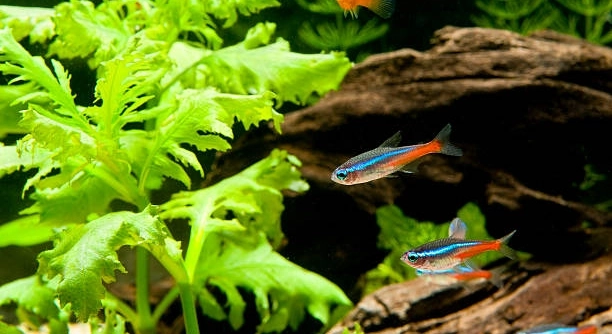
Have you ever noticed your tetra acting strangely after feeding and wondered if it could be related to how much it ate?
Yes, tetras can die from overeating. Consuming excessive food may lead to digestive issues, bloating, and swim bladder problems. These health complications can cause severe stress and, if not addressed, result in death.
Understanding the effects of overfeeding helps create a healthier tank environment and keeps your tetras thriving in the long run.
Why Overfeeding Can Be Dangerous for Tetras
Tetras have small stomachs and fast metabolisms, which makes them very easy to overfeed. In a tank environment, they don’t stop eating just because they’re full. They may continue eating whatever is available, leading to bloating, constipation, and even swim bladder disorders. This condition affects their ability to swim properly and can cause them to float uncontrollably or sink to the bottom. When food is left uneaten in the tank, it breaks down and affects water quality. Ammonia and nitrite levels can rise quickly, which further harms your fish. Overfeeding doesn’t just harm the individual fish—it can disrupt the entire aquarium balance. Feeding them more than they need can also lead to shorter lifespans. Understanding these effects helps prevent unnecessary health issues and keeps your tetras thriving.
Feeding your tetras once or twice a day with only what they can eat in two minutes is usually enough.
Avoid giving in to the urge to feed them more when they seem hungry. Tetras often appear eager, but that doesn’t mean they need more food. Keep their feeding routine consistent, and remove uneaten food to maintain water clarity and quality. Watch their behavior closely to catch any early signs of distress, like unusual swimming or bloating.
How to Feed Your Tetras Properly
Stick to a schedule and use portion control. Choose quality flakes or pellets that are made for small tropical fish.
Overfeeding often comes from a desire to keep your fish happy, but too much food can do more harm than good. Offering a varied diet in small amounts is much better than dumping in extra flakes. Feed them once or twice daily, giving only what they can finish in under two minutes. Avoid feeding them several times a day, as this leads to uneaten food collecting in the tank. It’s also helpful to skip a feeding day once a week. This helps their digestive system reset and prevents long-term bloating or waste buildup. Try supplementing their flakes with frozen or live foods once in a while, such as daphnia or brine shrimp. These are easier to digest and closer to what they eat in nature. Watch your tetras closely after feeding—if any seem sluggish or swim oddly, it may be time to cut back.
Signs Your Tetra May Be Overeating
Watch for a bloated belly, odd swimming behavior, or food sitting at the bottom of the tank. These can all be signs your tetra has eaten more than it should and may be struggling to digest it properly.
When a tetra overeats, its small body struggles to process the excess. You might notice the belly looking swollen, especially after meals. Swim bladder issues may also show up, making your tetra swim sideways or float at odd angles. Another clear sign is a decrease in activity. Overfed tetras often become lethargic and stay near the bottom of the tank. If they appear disoriented or stop eating altogether, this could mean their digestive system is stressed. You may also notice waste building up faster than usual. These signs shouldn’t be ignored, especially if more than one fish starts showing symptoms around the same time.
Observing your tetras closely after feeding is one of the best ways to catch early signs of overfeeding. Uneaten food settling in the substrate or cloudy tank water also suggests too much food is being offered. Over time, this can cause stress and weaken their immune system, making them more vulnerable to illness. Reducing food portions and increasing water changes helps restore balance.
Preventing Overfeeding in a Community Tank
Community tanks often make it harder to manage food portions. Fish compete for food, and faster eaters like tetras may take in more than they need while others go hungry. Controlled feeding methods help prevent these issues.
One helpful approach is to feed small amounts in different areas of the tank. This reduces competition and gives slower fish a chance to eat. Use sinking pellets for bottom dwellers and floating flakes for top feeders. Feeding devices like rings or target spots also help separate food based on species. Avoid dumping food all at once—it encourages frantic eating. Observe how long it takes for food to disappear, and adjust accordingly. Remove leftovers after a few minutes to keep the water clean. It’s also a good idea to track how often you feed. A feeding calendar or reminder helps prevent overfeeding, especially if multiple people share tank duties. Consistency keeps the tank healthier for everyone inside.
What to Do If Your Tetra Overeats
Start by skipping the next feeding and monitor for signs of bloating or unusual swimming. Giving their digestive system a break can help ease discomfort and reduce the risk of further complications.
Perform a partial water change to keep ammonia levels down and remove any uneaten food. Clean water supports recovery and reduces added stress from poor tank conditions.
Long-Term Health Effects of Overfeeding
Regular overeating can lead to chronic digestive problems and frequent swim bladder issues. Over time, this weakens your tetra’s immune system and shortens its lifespan. Constant waste buildup from uneaten food also affects water quality, leading to stress for all tank inhabitants. High ammonia levels can burn gills and make it harder for fish to breathe. Once this damage begins, recovery becomes much harder. Overfeeding can also trigger algae blooms due to increased nutrients in the water. A consistent and balanced feeding schedule is one of the best ways to avoid these long-term issues and keep the tank environment stable.
Final Thoughts on Tetra Feeding
Small, consistent portions are always better than frequent large meals. Balanced feeding and clean water help keep your tetras active, healthy, and stress-free.
FAQ
Can tetras eat too much at once?
Yes, tetras can easily eat too much because their small stomachs fill quickly. When they overeat, they may suffer from bloating or swim bladder problems, which affect their swimming ability. Feeding small portions helps prevent these issues.
How often should I feed my tetras?
Feeding once or twice a day is enough. Only give the amount they can eat in two minutes. Overfeeding by feeding too often or giving too much food can harm their health and water quality.
What happens if I feed my tetra too much regularly?
Regular overfeeding leads to chronic health problems like digestive issues and swim bladder disorders. It also causes waste buildup in the tank, increasing harmful toxins that stress fish and shorten their lifespan.
Is it okay to feed tetras live or frozen food?
Yes, live or frozen foods like brine shrimp or daphnia are good for variety and nutrition. They are easier to digest and can help prevent digestive problems linked to overeating dry flakes or pellets.
How can I tell if my tetra is bloated?
A bloated tetra will have a swollen belly and might swim awkwardly, float sideways, or have difficulty maintaining balance. They may also be less active and stay near the tank bottom.
What should I do if my tetra is bloated?
Stop feeding for a day or two to let their digestive system rest. Perform partial water changes to maintain clean water. You can also try feeding a pea (skin removed) as it helps with constipation in some cases.
Can overfeeding affect the entire tank?
Yes, uneaten food increases ammonia and nitrite levels, which harms all fish in the tank. Poor water quality leads to stress and weakens their immune systems, making disease more likely.
How do I avoid overfeeding in a community tank?
Feed small amounts spread out in different areas of the tank to reduce competition. Use sinking pellets and floating flakes as needed. Remove leftover food after a few minutes to prevent buildup.
What type of food is best for tetras?
High-quality flakes or pellets designed for small tropical fish work well. Supplementing with occasional live or frozen foods adds nutrients and variety.
Can skipping a feeding day help my tetra?
Yes, skipping a feeding once a week gives their digestive system a break and helps prevent bloating and constipation caused by constant feeding.
How important is water quality when dealing with overfeeding?
Very important. Clean water reduces stress on fish and helps them recover from digestive issues. Regular water changes prevent toxin buildup caused by leftover food.
What signs mean my tetra needs veterinary care?
If bloating persists, swimming problems worsen, or the fish stops eating for several days, veterinary advice may be needed. Persistent lethargy or visible injury are also warning signs.
Can overfeeding cause swim bladder disease?
Yes, overeating can lead to swim bladder problems because excess food can disrupt the fish’s digestive system and pressure inside the body, affecting buoyancy and swimming control.
Is there a risk of underfeeding when trying to avoid overfeeding?
Underfeeding is less common but possible. Watch for weight loss or constant begging behavior. Adjust feeding amounts carefully to balance between overfeeding and underfeeding.
How can I encourage slow eaters in a community tank?
Feed small amounts near slow eaters and feed more active fish separately if possible. Using feeding rings or target feeding tools can help slow eaters get their share of food without competition.
Can stress cause tetras to overeat or refuse food?
Stress can cause irregular eating habits. Some fish may eat more when stressed, while others lose appetite. Keeping a stable environment and proper feeding helps reduce stress-related feeding issues.
Final thoughts on caring for your tetras focus on balance and observation. Feeding them the right amount of food is key to keeping them healthy and happy. Overfeeding may seem harmless at first, but it can quickly lead to serious health problems like bloating, swim bladder issues, and poor water quality. These problems can affect not just one fish but the entire tank environment. Keeping a consistent feeding schedule and controlling portion sizes helps avoid these risks. It also encourages natural, healthy behavior in your tetras. Feeding once or twice a day with only the food they can finish in a few minutes is usually enough. This simple approach supports their digestion and prevents leftover food from polluting the water.
Monitoring your tetras closely is just as important as feeding properly. Look for signs like swollen bellies, odd swimming patterns, or decreased activity. These symptoms may indicate overfeeding or other health concerns. Acting early by adjusting feeding amounts or performing water changes can prevent minor issues from becoming serious. Remember that every tank is different, and the amount your tetras need might vary slightly. Factors such as tank size, number of fish, and the type of food you use can all influence feeding amounts. Adjust your routine based on how your tetras respond and keep the water clean. Good water quality reduces stress and helps fish recover from any digestive difficulties.
Long-term care for tetras means finding a balance between feeding enough and not too much. A varied diet including quality flakes, pellets, and occasional live or frozen foods helps meet their nutritional needs without overloading their small stomachs. Skipping a feeding once a week gives their digestive system a chance to rest, which can improve overall health. Avoiding overfeeding also protects the tank from excess waste and toxic buildup. Maintaining a healthy environment keeps your tetras lively and thriving. Simple habits like portion control, regular observation, and water maintenance go a long way toward ensuring your tetras live a long, healthy life in your aquarium.

Hello,
If you enjoy the content that we create, please consider saying a "Thank You!" by leaving a tip.
Every little bit helps us continue crafting quality advice that supports the health, happiness, and well-being of pets around the world, for pets of all shapes, sizes, and species.
We really appreciate the kindness and support that you show us!