
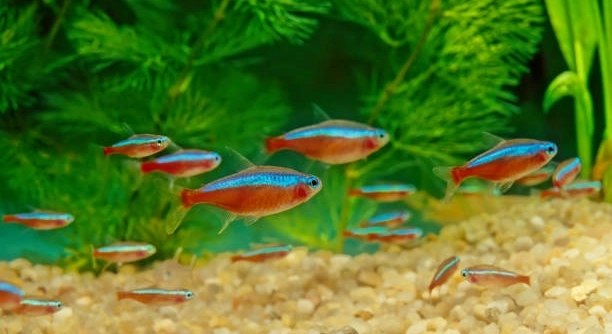
Tetras are popular aquarium fish known for their bright colors and peaceful nature. Many fish owners notice their tetras sometimes look different, especially when they seem upset or stressed. Understanding these changes can help keep your fish healthy and happy.
Tetras can change color when stressed, as a natural response to environmental or health issues. Stress triggers hormonal changes that affect their pigmentation, causing colors to fade or darken. This color shift signals that the fish may be experiencing discomfort or danger.
Recognizing these color changes and other stress signs can help you care for your tetra more effectively and improve its well-being in your tank.
Why Do Tetras Change Color When Stressed?
Tetras change color because their bodies react to stress in a way that affects their pigments. When something in their environment is off—like poor water quality, too much noise, or aggressive tank mates—their stress hormones increase. This causes their colors to fade or become dull. It’s a way for the fish to conserve energy and avoid attracting predators. Stress can also weaken their immune system, making them more likely to get sick. If you notice your tetra’s colors shifting, it’s a sign to check the tank conditions carefully. Maintaining stable water temperature, clean water, and a calm environment can help keep their colors bright and vibrant. Over time, if stress continues, the color change can become permanent, and the fish might become less active or even hide more often.
Color change in tetras is a clear sign of environmental or health stress.
Watching for this early sign helps prevent bigger problems and supports your tetra’s long-term health.
Common Signs of Stress in Tetras
Color change is not the only way tetras show stress. They may also swim erratically, hide more often, or lose their appetite. These behaviors are important clues that something is wrong.
Other signs include rapid gill movement, clamped fins, or rubbing against objects. Stress can come from many sources like overcrowding, sudden changes in water parameters, or poor diet. Even loud noises or too much light can cause stress. Addressing these factors quickly improves your fish’s comfort. Regular monitoring and gentle care make a big difference in how your tetras feel and look. If you catch these signs early, you can take steps to improve their environment and help them regain their natural, healthy colors. Keeping a consistent routine and providing hiding spots will also reduce stress and keep your tetras happy.
How Water Quality Affects Tetra Color
Poor water quality stresses tetras and often causes their colors to fade quickly. Dirty water can contain harmful chemicals and waste that affect fish health.
Keeping water clean and stable is key. Regular water changes remove toxins and balance pH levels. Using a good filter helps maintain clear water, reducing stress on your fish. Sudden changes in temperature or pH can also shock tetras, causing their colors to dull. Testing your tank water regularly and adjusting as needed helps maintain a healthy environment. Consistent care will keep your tetra’s colors bright and prevent stress-related color changes.
Even small changes in water quality impact your tetra’s appearance and behavior, so regular maintenance is essential.
Tank Mates and Stress Impact
Tetras often change color when tank mates are aggressive or overly active. Stress from bullying or constant chasing weakens their immune systems and dulls their appearance. Choosing peaceful tank mates reduces conflict. Avoid overcrowding, as too many fish in one tank creates tension and stress. Providing plants and hiding spots gives tetras places to feel safe. This lowers stress levels and helps maintain their natural color. Observing interactions and making adjustments as needed will keep your fish calm and colorful. Peaceful environments create healthier, more vibrant tetras that show their best colors every day.
Diet and Its Effect on Color
A poor diet can cause tetras to lose their bright colors. Nutrient deficiencies weaken their natural pigments.
Feeding high-quality, varied food helps maintain vibrant colors. Foods rich in carotenoids and vitamins support healthy pigmentation and overall fish health.
Lighting and Color Changes
Lighting affects how tetra colors appear. Too much light can stress fish and fade their colors over time.
Proper lighting mimics natural conditions and helps fish display their true colors. Avoid sudden changes or overly bright lights to keep tetras comfortable and colorful.
Illness and Color Loss
When tetras are sick, they often lose their bright colors. Illness weakens their bodies and affects pigmentation.
Identifying illness early by watching for color changes helps ensure timely treatment and a better chance for recovery.
FAQ
Can tetras change color back after being stressed?
Yes, tetras can often regain their original colors once the stress source is removed. Improving water quality, reducing aggression from tank mates, and providing a proper diet helps their colors return. However, prolonged stress may cause permanent fading.
Why do my tetras turn pale suddenly?
Sudden pale coloring usually means your tetras are stressed or sick. Causes include poor water conditions, sudden temperature changes, or illness. It’s important to test water and observe behavior to find the exact cause quickly.
How long does it take for tetras to regain their color?
The time varies, but usually, tetras start showing color improvement within a few days to a week after conditions improve. Full recovery depends on the stress severity and how quickly you address the problem.
Can lighting cause color changes in tetras?
Yes, lighting plays a big role. Too much bright light or inconsistent lighting can stress tetras, leading to dull colors. Using moderate, consistent lighting helps fish display natural vibrant colors without stress.
Are color changes in tetras always related to stress?
Not always. Some color changes happen naturally, like during breeding or mood shifts. But sudden or lasting dullness is usually a sign of stress, illness, or poor environment.
Do all tetra species change color when stressed?
Most tetra species show some color change under stress, but the intensity varies. Some tetras have brighter or more sensitive pigments, so their changes may be more noticeable.
What food helps tetras keep their bright colors?
Foods rich in carotenoids like shrimp flakes, bloodworms, and high-quality flakes or pellets help maintain bright colors. A varied diet with vitamins supports healthy pigmentation and overall fish vitality.
Can overcrowding cause color fading in tetras?
Yes, overcrowding increases stress and competition, which often leads to faded colors. Keeping the right number of fish in your tank and providing hiding spaces helps reduce stress and maintain color.
Is color change a reliable way to check tetra health?
Color change is a useful indicator but should be combined with other signs like appetite, activity level, and breathing. If you see fading along with unusual behavior, it’s best to investigate further.
What immediate steps should I take if I notice my tetra’s color fading?
First, test water parameters like ammonia, nitrites, nitrates, and pH. Check tank temperature and look for aggressive tank mates. Improve water quality with a partial change and reduce stress factors. Feeding high-quality food also supports recovery.
Can stress from transportation cause color change in tetras?
Yes, transport stress often causes temporary color fading. Once settled in a stable tank environment with good care, tetras usually regain their normal colors quickly.
Does breeding affect a tetra’s color?
Breeding can cause temporary color changes. Some tetras may dull their colors or develop brighter spots during spawning. These changes are natural and usually reverse after the breeding period.
How can I prevent color changes due to stress?
Maintain stable water conditions, avoid overcrowding, feed a balanced diet, and choose peaceful tank mates. Providing plants and hiding spots also helps reduce stress, keeping tetras colorful and healthy.
Tetras are small, colorful fish that brighten up any aquarium. Their color is an important sign of their health and well-being. When tetras change color, especially when they become dull or pale, it often shows they are feeling stressed or unwell. Stress can come from many things like poor water quality, aggressive tank mates, or sudden changes in their environment. Paying attention to these color changes is important because it helps you take action before the problem gets worse. Keeping the tank clean, providing good food, and making sure the fish have enough space can all help your tetras stay colorful and healthy.
Taking care of tetras means watching for signs that they might be stressed. Aside from color changes, they might hide more, swim differently, or stop eating. These are clues that something needs to be fixed. It could be as simple as doing a water change or moving the fish to a calmer tank. Sometimes, illness can cause color fading, so it’s important to observe your fish closely and act quickly. Tetras are sensitive creatures, and small changes in their environment can make a big difference to how they feel and look. The better you care for them, the more likely they are to show their bright, natural colors.
Remember, every tank and every fish is different. What works well for one group of tetras might not work for another. It’s important to keep learning about their needs and watch how they respond to changes. Regular maintenance and gentle care go a long way in keeping your tetras happy and colorful. If you notice any problems with their color or behavior, don’t wait too long to fix it. A little attention and care can help your tetras thrive and bring beauty to your aquarium for a long time.

Hello,
If you enjoy the content that we create, please consider saying a "Thank You!" by leaving a tip.
Every little bit helps us continue crafting quality advice that supports the health, happiness, and well-being of pets around the world, for pets of all shapes, sizes, and species.
We really appreciate the kindness and support that you show us!