
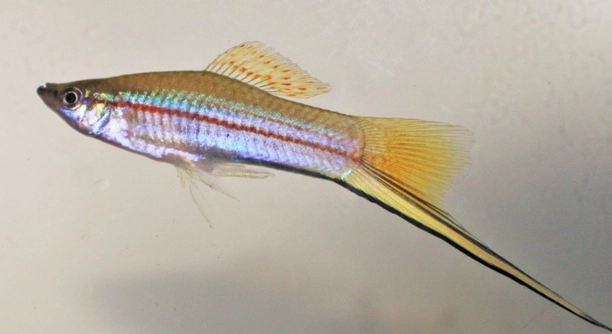
Have you ever found yourself setting up a tank for swordtails and wondering if skipping the air pump is really okay?
Swordtails can survive without an air pump if the tank has proper filtration, surface agitation, and enough oxygen exchange. However, without these conditions, oxygen levels may drop, putting stress on the fish and risking their health.
Learning how to maintain a healthy environment without an air pump can help you keep your swordtails safe and happy in your aquarium.
Why Oxygen Matters for Swordtails
Swordtails need oxygen to stay healthy and active. In a well-maintained tank, oxygen enters the water through surface movement. This allows the fish to breathe easily. When water sits still, it holds less oxygen, and that can stress your swordtails. You may notice them gasping at the surface or becoming sluggish. Without enough oxygen, their immune system weakens, making them more likely to get sick. A filter with a good flow helps keep oxygen levels steady. Live plants can also help by producing oxygen during the day. Still, at night, plants use oxygen too, so balance is key. Room temperature also plays a role—warm water holds less oxygen than cooler water. So, if your tank is on the warmer side, keeping the water moving becomes even more important. Watching your fish and understanding these basics helps prevent problems before they start and ensures your swordtails are comfortable and thriving.
When the oxygen drops, fish start showing signs of stress like rapid gill movement and lack of energy.
Swordtails are pretty hardy, but low oxygen can affect them fast. Especially in smaller tanks, it’s easy for levels to drop quickly. A simple sponge filter or regular water changes can go a long way. It’s all about keeping the balance right.
Alternatives to an Air Pump
You can still keep oxygen levels healthy without using an air pump. The key is making sure the water surface is always moving.
A filter that stirs the surface does more than just clean the water—it helps oxygen enter and carbon dioxide leave. Hang-on-back filters or sponge filters are great options. They help move the water while keeping things quiet and simple. Live plants add oxygen during the day, but remember to trim them and keep an eye on how dense they get. Overgrown plants can block flow and take up oxygen at night. If your room gets stuffy or warm, slightly opening the tank lid helps gas exchange. Also, avoid overstocking the tank—too many fish in a small space can use up oxygen fast. Another helpful tip is regular maintenance. Cleaning the substrate and doing partial water changes weekly helps reduce waste that can lower oxygen. Even without an air pump, swordtails can stay healthy if the tank setup supports steady oxygen exchange.
Signs Your Swordtails Need More Oxygen
If your swordtails are hovering near the surface or breathing fast, the oxygen might be too low. These signs often appear before other symptoms, so it’s good to act quickly. Fish may also become less active and lose interest in food.
When swordtails start gasping at the surface, it’s a signal that something is off with the water. This usually means oxygen levels are low or the water isn’t moving enough. If there’s no filter or surface agitation, the water can become stale. It’s also a good idea to test the water parameters—high ammonia or temperature can make it worse. Adding a small air stone or adjusting the filter flow can help fix the issue. If you catch it early, swordtails usually bounce back quickly once the oxygen improves. A calm fish swimming in the mid-levels of the tank is a sign that things are back to normal.
Sometimes the problem comes from overstocking or too much waste. Too many fish in a small space use oxygen quickly. Dirty tanks also cause oxygen to drop. A dirty substrate, decaying plants, or uneaten food can make things worse fast. If you notice sluggish behavior, check your cleaning schedule. Even just one extra water change a week can help.
Tips to Keep Oxygen Levels Stable
Keep your tank lightly stocked and avoid overfeeding. This reduces waste, which helps keep the water clean and oxygen-rich. A good filter that moves water at the top helps more than you think.
Try to keep the water temperature between 72–78°F, since warmer water holds less oxygen. If the room gets hot, a small fan over the tank or turning down the heater a little can help. Choose a filter that creates ripples on the surface—this small action improves oxygen levels a lot. You don’t need bubbles everywhere. Also, trim plants often so they don’t block flow or use too much oxygen overnight. Don’t forget to clean the filter itself every few weeks. A clogged filter doesn’t move water well, which affects oxygen. Even without an air pump, these little steps go a long way. A stable setup means your swordtails can stay active, colorful, and happy.
When an Air Pump Becomes Necessary
If your tank has poor circulation or no filter at all, an air pump becomes more important. It helps create bubbles that improve surface movement and boost oxygen levels quickly, especially in tanks with high stocking or warmer water.
Temporary fixes like raising the filter output might not be enough in certain setups. Small or heavily planted tanks can struggle without added air, especially overnight. In these cases, an air pump provides reliable support.
Choosing the Right Equipment
If you decide to use an air pump, choose one based on your tank size. Smaller tanks do well with low-powered pumps, while larger setups might need something stronger. Look for quiet models to avoid extra noise. Pair the pump with an air stone to spread bubbles gently. This avoids strong currents that may bother swordtails. Also, secure the tubing properly and check it regularly for clogs. An adjustable flow valve can help fine-tune the output. This lets you create the right balance between water movement and calm spaces for your fish. You don’t need anything fancy—just something that keeps oxygen levels steady.
Final Thoughts on Swordtails and Oxygen
Swordtails can do fine without an air pump if the tank has good water movement, proper care, and regular maintenance.
FAQ
Do swordtails need an air pump to survive?
Swordtails can survive without an air pump if their tank has adequate filtration and water movement. While an air pump helps oxygenate the water, it’s not always necessary. Filters that create surface agitation or gently moving water can supply the oxygen swordtails need. In smaller tanks, an air pump can be helpful, but if your tank has good water circulation and you maintain it well, swordtails will thrive without one.
What happens if there’s not enough oxygen for swordtails?
Without enough oxygen, swordtails can experience stress. They may swim near the surface, gasp for air, or become lethargic. Oxygen deprivation weakens their immune system and can lead to disease or even death if not addressed quickly. Keeping an eye on their behavior and ensuring proper water movement is key to avoiding these issues.
How do I know if my swordtails are getting enough oxygen?
If your swordtails are swimming actively, eating well, and staying in the middle or bottom levels of the tank, oxygen levels are likely fine. If they hover at the surface, breathe rapidly, or seem sluggish, it’s a sign oxygen may be low. Regular observation of their behavior helps catch problems early.
Can I use live plants to increase oxygen in the tank?
Yes, live plants do help increase oxygen levels. During the day, they produce oxygen through photosynthesis. However, at night, plants consume oxygen, so it’s essential to balance the number of plants with the oxygen needs of your fish. Overly dense plant growth can lead to oxygen depletion overnight, so keep them trimmed and well-maintained.
How often should I clean my tank to maintain oxygen levels?
Cleaning your tank regularly is essential to maintaining oxygen levels. The substrate should be vacuumed at least once a week to remove waste and debris. Performing partial water changes weekly or bi-weekly helps remove toxins and ensures that oxygen levels stay consistent. Also, cleaning the filter every few weeks prevents it from becoming clogged, which can affect water flow and oxygen exchange.
What if my tank water is too warm?
Warmer water holds less oxygen, which can affect your swordtails. If your tank is on the warmer side, try to reduce the water temperature a few degrees. You can also use a fan to cool the tank or adjust the heater to keep things steady. Lowering the temperature just a few degrees can help oxygen levels stay sufficient.
Is surface movement really necessary for oxygen?
Yes, surface movement is crucial for oxygen exchange. The surface is where oxygen enters the water and carbon dioxide exits. Without enough movement, oxygen levels can drop, especially in a smaller tank or without a filter. Even slight ripples help with this process. You don’t need powerful currents; gentle movement is enough.
How does overstocking affect oxygen levels?
Overstocking your tank increases the oxygen demand. More fish use up the oxygen quickly, leading to lower levels for everyone. This can cause stress and illness in swordtails. It’s important to consider the size of your tank and the number of fish in it. A good rule of thumb is one inch of fish per gallon of water.
Can a sponge filter be used instead of an air pump?
Yes, a sponge filter can serve both as a filter and an air pump. It helps with both filtration and oxygenation by creating gentle surface movement. Sponge filters are especially useful in small tanks or breeding setups. They provide steady water movement without disturbing delicate fish like swordtails, making them a great alternative to traditional air pumps.
Do swordtails require high water movement to thrive?
Swordtails do best with moderate water movement. Too much current can stress them, but too little movement can lead to low oxygen levels. A filter that provides gentle surface agitation is usually enough. Swordtails can swim well in tanks with moderate to low flow, as long as they can move around comfortably.
Can I keep swordtails with other fish without an air pump?
Yes, swordtails can live with other peaceful fish as long as the oxygen levels are sufficient. Make sure the tank is not overcrowded, and check that the water circulation is adequate. Keeping a mix of fish requires careful management of the water’s oxygen, so balance the fish load and filtration accordingly.
How can I tell if my filter is providing enough oxygen?
A filter that creates surface agitation will help oxygenate the water. You can test this by watching the surface of the water—if it has ripples or movement, oxygen is likely being exchanged. If your swordtails are active and swimming in the middle levels of the tank, the filter is doing its job. If they’re near the surface, it might be time to adjust the filter flow or consider an air pump.
Are there any other ways to increase oxygen without an air pump?
Other methods include using a surface skimmer to remove debris and improve oxygen exchange. You can also keep the lid of the tank slightly open to allow gases to exchange more freely. Increasing the water’s surface area by using wider or taller tanks can also help with oxygen levels. Regular maintenance like water changes and keeping the tank clean also supports healthy oxygen levels.
Can oxygen levels change throughout the day?
Yes, oxygen levels can fluctuate, especially in tanks with live plants. During the day, plants produce oxygen, but at night, they consume it. This can lead to lower oxygen levels overnight, so monitoring fish behavior in the morning can give you an idea of how the oxygen levels have been throughout the night.
Final Thoughts
Swordtails are relatively hardy fish that can live without an air pump as long as their tank has the right conditions. The most important thing is to ensure there is proper water movement, which helps with oxygen exchange. A good filter can do most of the work, creating gentle ripples on the surface and keeping the water oxygenated. If your filter is strong enough or you have live plants, an air pump might not be necessary. It’s all about balancing the needs of your fish with the setup you have.
However, it’s important to monitor the tank regularly. If your swordtails start acting sluggish or spend too much time near the surface, it might be a sign that the oxygen levels are too low. You can fix this by improving water circulation or adding an air stone to increase surface agitation. Keeping an eye on temperature is also crucial since warmer water holds less oxygen. A cooler tank will naturally have higher oxygen levels, so keeping the room temperature stable can make a big difference.
Ultimately, it’s about understanding the needs of your swordtails and adjusting their environment to suit them. Regular water changes, good filtration, and some basic attention to water conditions can keep them happy and healthy without needing an air pump. With the right setup and maintenance, swordtails can thrive in a low-maintenance aquarium, making them great fish for both beginners and experienced hobbyists. Just remember to observe your fish and make changes when necessary to ensure their well-being.

Hello,
If you enjoy the content that we create, please consider saying a "Thank You!" by leaving a tip.
Every little bit helps us continue crafting quality advice that supports the health, happiness, and well-being of pets around the world, for pets of all shapes, sizes, and species.
We really appreciate the kindness and support that you show us!