
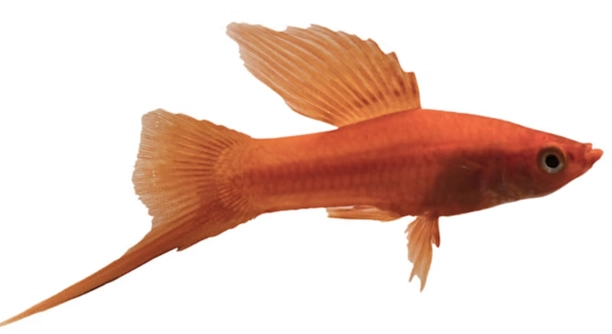
Have you ever watched your swordtail fish swim excitedly at feeding time and wondered how they know food is nearby so quickly?
Swordtails can detect food in the water using their sense of smell, known as olfaction. Specialized sensory cells located in their nasal cavities allow them to recognize chemical cues released by food particles in their environment.
This natural ability helps swordtails navigate their surroundings and find food even in low-visibility conditions.
How Swordtails Use Smell to Find Food
Swordtails rely heavily on their sense of smell to detect food in the water. This ability helps them locate meals even when visibility is poor. They have small openings near their snouts that allow water to flow over olfactory receptors inside their nasal cavities. These receptors are sensitive to chemical signals, like amino acids or other organic matter released by food. Once the scent is detected, the fish react quickly and swim toward the source. Unlike humans, they don’t need to breathe through their noses for this process to work. The flow of water alone is enough to activate the receptors. This natural instinct supports their survival and keeps them responsive during feeding time. Whether you drop flakes, pellets, or live food into the tank, swordtails will usually pick up the scent in seconds and begin searching for it. Their fast reactions are a clear sign that their sense of smell is active.
Swordtails are especially good at detecting small changes in the water, helping them recognize food and avoid spoiled or unsafe substances.
Understanding this behavior helps you plan feeding routines and ensure their diet supports their natural instincts while avoiding overfeeding or leftover waste.
Why This Matters for Tank Care
Keeping the water clean helps prevent their olfactory system from being overwhelmed by waste or strong chemicals.
Swordtails depend on subtle chemical signals to find food, so if the tank is overloaded with uneaten food or waste, it can affect their ability to smell properly. A build-up of organic matter can mask the scent of fresh food or confuse them, causing feeding delays or missed meals. If food isn’t removed in time, it can decay and change the water quality, putting extra stress on the fish. You might notice slower responses during feeding, or see leftover flakes drifting for too long. Regular cleaning and proper filtration help preserve the water’s balance, which supports their natural abilities. Avoid using strong chemical treatments unless necessary, and always monitor how your fish respond during feeding times. If they appear less active or stop reacting to food, it could signal a need to check the tank’s cleanliness or adjust the feeding schedule. These small details make a big difference.
Factors That Influence Scent Detection
Water temperature, flow, and cleanliness can all impact how well swordtails detect food. Warmer water may speed up scent diffusion, while poor water conditions can interfere with chemical signals. These small changes influence how quickly your swordtail reacts at feeding time.
Swordtails respond better when the tank is stable. Sudden changes in temperature or pH may affect their behavior, including how well they pick up food scents. Keeping the tank at a steady temperature between 72°F and 82°F supports their sensory function. Water that’s too warm can accelerate bacterial growth, which leads to a higher level of waste. This interferes with the chemical signals swordtails rely on. Slow water movement also allows scent molecules to linger, giving the fish more time to detect them. An efficient filter that keeps water moving gently is ideal. Avoid placing strong water jets near their usual feeding area, as it can wash away food cues too quickly.
Overfeeding can cloud the water and interfere with olfactory cues. Extra food breaks down quickly, creating excess ammonia and nitrates, which affect the balance of the water. If your swordtails stop responding to food, check for leftovers and monitor water levels. Simple daily checks can help prevent bigger problems. Keeping feeding consistent also helps maintain natural responses. Using a schedule ensures your fish stay alert at meal times, rather than growing used to irregular feeding or excess waste. Feeding once or twice daily in small amounts is usually enough. Only give what they can finish in two minutes, and remove any leftovers right after.
Other Senses Swordtails Use While Eating
Swordtails also rely on sight and movement in the water. Bright lighting can help them locate food visually, especially in community tanks. Movement from sinking pellets or flakes may also attract their attention when smell isn’t enough.
Even though smell plays a key role, swordtails often combine it with visual cues and vibrations in the water. For example, a piece of food drifting through their line of sight triggers a response even if they haven’t fully detected the scent. In group settings, they may even copy other fish by swimming toward an area where activity is happening. This behavior helps them compete for food in shared tanks. Some swordtails become more responsive to sound and movement over time, especially if feeding is always paired with routine actions like lifting the tank lid. Consistent signals create patterns they learn to recognize. These layers of behavior show how swordtails adapt to their environment using more than just smell.
Feeding Tips That Support Natural Behavior
Feed small amounts to prevent clouding the water and to keep food scents strong and easy to detect. Use the same spot for feeding to help your swordtails recognize patterns and respond more quickly at mealtimes.
Avoid mixing too many food types in one feeding session. Strong-smelling foods like freeze-dried bloodworms can overpower milder options and confuse the fish. Stick to one or two types per meal to support their ability to focus on specific scents.
When Scent Detection May Be Weaker
Swordtails may struggle with scent detection if they are stressed, sick, or recovering from recent transport. Poor water quality, overcrowding, or sudden changes to their tank environment also make it harder for them to respond to food. In these cases, they may ignore meals or seem less active. Keep the tank quiet and stable to support their recovery. Monitor behavior closely after any changes and adjust feeding routines as needed. Give time for them to re-establish their feeding responses once things return to normal.
Final Thought on Feeding Behavior
Consistency in tank care and feeding routines keeps your swordtails alert and responsive to food scents every day.
FAQ
Can swordtails smell food in the water?
Yes, swordtails can detect food through their sense of smell. They have specialized receptors in their nasal cavities that pick up chemical signals from food particles. This helps them find food even in low-visibility conditions.
How sensitive is a swordtail’s sense of smell?
A swordtail’s sense of smell is quite sensitive. They can detect even faint chemical cues in the water, allowing them to respond quickly when food is introduced. This ability helps them locate food that might be hidden or sinking in the tank.
Do swordtails rely only on their sense of smell to find food?
No, swordtails use a combination of senses to find food. While smell plays a primary role, they also rely on sight and movement in the water. They can see food, especially in bright lighting, and are often attracted to movement, such as sinking pellets.
Does the water temperature affect a swordtail’s ability to smell food?
Yes, water temperature can affect a swordtail’s ability to detect food. Warmer water speeds up the diffusion of scent molecules, allowing swordtails to detect food more quickly. However, water that’s too hot can increase waste production, which can interfere with their ability to smell.
Can dirty water affect a swordtail’s ability to detect food?
Dirty water can certainly affect a swordtail’s ability to detect food. High levels of waste, ammonia, or nitrates can mask the chemical signals food releases, making it harder for the fish to locate it. Regular water changes and good filtration help maintain clean water for better scent detection.
How often should I feed my swordtails?
It’s best to feed swordtails once or twice a day, offering small portions they can consume in about two minutes. Overfeeding can cloud the water and make it harder for them to smell food. Stick to a routine to help them stay responsive during feeding times.
Why do swordtails sometimes ignore food?
Swordtails may ignore food if they are stressed, sick, or if water conditions are poor. Stress can come from overcrowding, sudden tank changes, or loud environments. Additionally, overfeeding can lead to spoiled food or poor water quality, which can also discourage feeding.
Can swordtails find food if the water is murky?
Swordtails can still detect food in murky water, but their ability to see food is compromised. Smell becomes their primary sense in such conditions. However, if the water is too cloudy, it could block the scent molecules from spreading, making it harder for the fish to detect food efficiently.
How can I encourage swordtails to eat more?
To encourage swordtails to eat more, ensure they are fed in a consistent spot at the same time each day. Offering a variety of foods, such as pellets, flakes, and live food, can also increase their interest. However, avoid overfeeding, as too much food can lead to waste and stress.
Is it okay to feed swordtails live food?
Yes, swordtails can benefit from live food such as brine shrimp or daphnia. Live food mimics the natural diet swordtails would have in the wild, stimulating their hunting instincts and providing essential nutrients. However, be sure the live food is clean and free from parasites before feeding it to your fish.
What should I avoid feeding my swordtails?
Avoid feeding swordtails food that is too high in fat or food that is not specifically designed for fish. Foods like bread or human snacks can be harmful to their health and cause water quality issues. Stick to fish-safe foods and be mindful of portion sizes.
How can I tell if my swordtail is getting enough food?
A swordtail getting enough food will appear healthy, active, and alert during feeding time. You may also notice their stomachs appear slightly rounded but not bloated. If they seem lethargic or are ignoring food consistently, it could indicate that their diet or water conditions need adjusting.
Do swordtails prefer certain types of food?
Swordtails tend to prefer high-quality pellets or flakes specifically formulated for livebearers. They also enjoy live or frozen foods like bloodworms or brine shrimp. Offering a variety can keep them interested, but always ensure that the food is appropriate for their nutritional needs.
Can swordtails overeat?
Yes, swordtails can overeat. Overfeeding leads to uneaten food sinking and decaying in the tank, creating waste and affecting water quality. This can also cause the swordtails to become overweight or stressed. Feed in small portions and remove any uneaten food after a few minutes.
Are swordtails social eaters?
Yes, swordtails are social eaters. In a tank with multiple fish, they often feed together. They may observe the behavior of other fish to determine when food is present and react by swimming to the feeding area. However, be sure to monitor their food intake to ensure each fish gets a fair share.
Why is my swordtail not responding to food during feeding time?
If a swordtail isn’t responding to food, it could be a sign of stress, poor water quality, or illness. Check the tank’s temperature, pH, and ammonia levels. If these are within the appropriate ranges, consider adjusting their feeding routine or consulting a vet if illness is suspected.
How can I improve water quality for better feeding responses?
To improve water quality, perform regular water changes and ensure your filter is working efficiently. Avoid overfeeding, as leftover food can decay and pollute the water. Keep the tank free from excess waste, and use a siphon to clean the substrate regularly. Healthy water supports swordtails’ natural feeding behaviors.
Can swordtails detect food with other fish around?
Yes, swordtails can detect food even with other fish around. While they are competitive feeders, their sense of smell allows them to find food despite the presence of other fish. However, in overcrowded tanks, there may be more competition for food, which could reduce their feeding efficiency.
What do swordtails eat in the wild?
In the wild, swordtails primarily eat small invertebrates, algae, and plant matter. They feed on what they can find in their natural environment, including tiny crustaceans, worms, and plant debris. Providing a varied diet that mimics their natural food sources helps maintain their health in captivity.
Should I feed swordtails different types of food?
Yes, feeding swordtails a variety of food helps ensure they receive all the necessary nutrients. Rotate between high-quality pellets, flakes, and occasional live or frozen foods to keep them healthy and engaged. A balanced diet promotes their overall well-being and encourages natural foraging behaviors.
Final Thoughts
Understanding how swordtails use their sense of smell to find food is essential for maintaining a healthy tank environment. Their ability to detect food through chemical cues helps them thrive, but this skill can be influenced by various factors like water quality and stress. Keeping the water clean, ensuring a stable environment, and feeding them consistently will support their natural feeding behavior. When water quality is poor or there is too much waste, it can become difficult for them to smell their food, making it important to maintain proper tank care.
In addition to their sense of smell, swordtails rely on sight and movement to locate food. They are naturally curious and will often swim toward the surface or areas where they sense movement, including food particles in the water. By feeding swordtails at the same spot and around the same time every day, they become familiar with the routine and are more likely to respond positively. A varied diet can also keep them engaged, as swordtails are more likely to eat if they are interested in the food being offered.
Overall, swordtails are adaptable fish, but their feeding behavior can be affected by several factors, including their environment and health. A healthy tank with clean water, good filtration, and consistent feeding routines will help swordtails make the most of their natural feeding abilities. Monitoring their behavior, adjusting food offerings, and observing their responses are key to ensuring they are getting enough nutrition and maintaining their well-being. By understanding these factors, you can support your swordtails in having a happy, healthy life in your aquarium.

Hello,
If you enjoy the content that we create, please consider saying a "Thank You!" by leaving a tip.
Every little bit helps us continue crafting quality advice that supports the health, happiness, and well-being of pets around the world, for pets of all shapes, sizes, and species.
We really appreciate the kindness and support that you show us!