
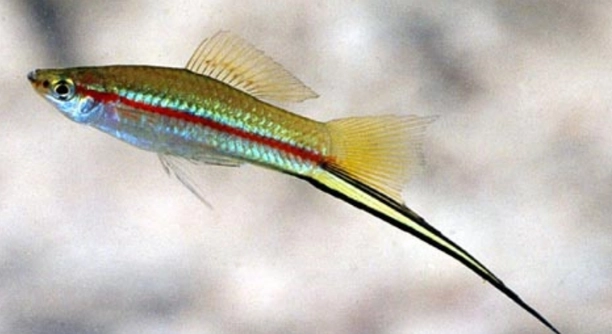
Swordtails and mollies are popular fish in many aquariums. They are known for their vibrant colors and playful nature. Many fish enthusiasts enjoy keeping these species together. But, is it safe for them to share a tank?
Swordtails and mollies can generally live together in the same aquarium. Both species are peaceful and thrive in similar water conditions, which helps minimize potential conflicts. However, the tank size and individual temperament can affect their interactions.
Their compatibility depends on several factors, including the tank size and water conditions. Understanding their behaviors and specific needs can help ensure both species thrive together.
Compatibility of Swordtails and Mollies
Swordtails and mollies share similar environmental needs, making them compatible tank mates in many cases. Both species are peaceful, social fish that thrive in slightly alkaline water with temperatures between 72°F and 82°F. They also enjoy similar tank setups, such as a well-planted environment with plenty of swimming space. While they are generally peaceful, it’s important to observe them closely to avoid any territorial disputes, especially if the tank is too small or overcrowded.
However, there are some challenges to keep in mind. Swordtails, for example, can sometimes be a bit more active and assertive, which may stress mollies if not enough space is provided. These fish also require a balanced diet and a stable environment to remain healthy.
If you’re planning on keeping both species together, make sure your tank is large enough. The general rule is to provide at least 20 gallons of water for every pair of fish. In addition, monitor their interactions and adjust the tank setup as necessary to avoid stress. Proper care and attention will help ensure they both thrive.
Tank Size and Setup
The size of the tank is crucial when keeping swordtails and mollies together. Both species are active swimmers and need ample space to avoid stress and aggression.
A minimum of 30 gallons is ideal for housing swordtails and mollies together. This size provides enough room for them to establish their territories while still cohabitating peacefully. Adding live plants or decorations helps provide hiding spots, making the fish feel more secure.
Behavior of Swordtails and Mollies
Swordtails are generally more energetic than mollies, especially males. They tend to swim quickly and are more likely to chase after each other, which can stress slower-moving mollies. However, with a large enough tank, this behavior usually isn’t a problem. Both species enjoy a calm and social environment.
While mollies are typically peaceful, they may react to the swordtail’s speed by becoming more timid. Keeping both species well-fed and providing plenty of hiding places can help reduce stress. Sometimes, swordtails may try to show dominance, but as long as there’s enough space and no overcrowding, they should coexist without issues.
Keeping the environment stress-free is key. Regular water changes and maintaining a stable temperature will help keep the fish calm. Swordtails might occasionally show aggression, but this is usually only when resources like food or space are limited. Providing a well-maintained, spacious tank will reduce conflicts and support both species.
Feeding Swordtails and Mollies Together
Swordtails and mollies have similar dietary needs, both thriving on a varied diet of flakes, pellets, and live foods. They enjoy occasional treats like brine shrimp or bloodworms, which can be offered alongside their regular meals. Feeding them together is usually simple.
A proper feeding schedule is essential to avoid overfeeding or competition for food. Both species can be fed twice a day, ensuring that each fish gets enough without overwhelming the tank. If you’re keeping both species in the same tank, consider using sinking pellets to allow mollies time to eat without swordtails taking everything.
Tank Mates for Swordtails and Mollies
Swordtails and mollies can coexist peacefully with a variety of other species, such as guppies or corydoras catfish. However, it’s best to avoid more aggressive species, as they can cause stress. Keeping peaceful tank mates will help maintain a calm environment.
Both swordtails and mollies are peaceful by nature. However, the presence of other species that are more territorial or active might cause unnecessary stress. Always research potential tank mates to ensure they match well in terms of behavior and environmental needs. The more compatible the fish, the better the experience for everyone.
Water Conditions for Swordtails and Mollies
Swordtails and mollies thrive in water with a slightly alkaline pH, typically between 7.5 and 8.5. Regular water changes are essential to maintain a healthy environment. Both species are also sensitive to drastic changes in water conditions, so consistency is key.
Both species do well with a stable temperature range of 72°F to 82°F. It’s important to monitor the water regularly and maintain good filtration. Keeping the water clean and clear helps prevent disease and promotes overall well-being for both swordtails and mollies.
FAQ
Can swordtails and mollies breed in the same tank?
Yes, swordtails and mollies can breed in the same tank. Both species are livebearers, meaning they give birth to live young rather than laying eggs. While they can interbreed, it’s not common for them to produce viable offspring. Any babies born from a cross between the two species would usually be sterile, but it’s still important to monitor the tank for any unexpected births.
Do swordtails and mollies require the same water conditions?
Yes, swordtails and mollies have very similar water requirements. Both species thrive in slightly alkaline water with a pH level between 7.5 and 8.5. They also prefer temperatures ranging from 72°F to 82°F. Regular water changes and maintaining good filtration will help keep their environment clean and safe.
Can swordtails and mollies live with other species?
Swordtails and mollies can live with many other peaceful species. Good tank mates include guppies, tetras, and corydoras catfish. Avoid aggressive species or those that might compete for food, as this could cause stress. Always consider the tank size and ensure there is enough space for all fish.
How can I prevent aggression between swordtails and mollies?
Aggression between swordtails and mollies can usually be prevented by ensuring that the tank is large enough. A tank size of at least 30 gallons is ideal for both species. Additionally, providing plenty of plants, rocks, and hiding spots can help reduce stress and allow fish to establish their own territories.
What size tank do swordtails and mollies need?
A minimum of 30 gallons is recommended for swordtails and mollies. This allows both species enough space to swim and establish territories without overcrowding. Larger tanks are better as they provide more room for natural behaviors and reduce the chance of aggression or stress between the fish.
How do swordtails and mollies handle temperature changes?
Both swordtails and mollies are sensitive to sudden temperature fluctuations. It’s essential to keep the water temperature stable, ideally between 72°F and 82°F. A heater with a thermometer is a good way to maintain a consistent temperature, which will help keep both species healthy and stress-free.
Do swordtails and mollies require special lighting?
Swordtails and mollies do not require special lighting. However, providing natural light or a moderate aquarium light will help maintain a healthy environment for live plants, which can benefit both species. Make sure the lighting isn’t too intense, as this could cause stress.
Can I keep only one swordtail or molly in a tank?
While it is possible to keep a single swordtail or molly, it’s generally better to keep them in pairs or small groups. Both species are social fish and tend to do better in groups. Keeping just one can lead to loneliness or stress, especially in the case of males.
What should I feed swordtails and mollies?
Swordtails and mollies are omnivores and enjoy a varied diet of high-quality flake food, pellets, and occasional live or frozen foods like brine shrimp or bloodworms. They also benefit from some plant matter in their diet. It’s important to avoid overfeeding and remove any uneaten food to maintain water quality.
Are swordtails and mollies prone to diseases?
Like most fish, swordtails and mollies can be susceptible to common aquarium diseases, such as ich or fin rot, especially in poor water conditions. Regular water changes, maintaining a clean tank, and quarantining new fish before adding them to your tank can help prevent the spread of diseases.
Final Thoughts
Swordtails and mollies can generally live together peacefully in the same tank, provided their environment is suitable. Both species are relatively hardy and share similar water needs, making them compatible tank mates for most aquariums. They are social fish that enjoy being in groups, so it’s important to ensure you have a tank large enough to accommodate them and other fish. A 30-gallon tank is often a good starting point to avoid overcrowding and ensure everyone has enough space to thrive.
While they are peaceful for the most part, it’s important to watch for signs of stress or aggression. Swordtails, particularly males, can sometimes become a bit more active or territorial, which could cause issues for the more laid-back mollies. This is especially true if the tank is too small or the water quality is poor. Providing plenty of hiding spots and plants can help reduce aggression and give each fish a sense of security. Maintaining a stable environment with proper water conditions is also key to keeping both species healthy and stress-free.
In the end, swordtails and mollies can make excellent companions in the right setup. By focusing on a balanced tank environment, maintaining good water quality, and observing the fish’s behavior, you can create a peaceful and healthy home for both species. Whether you’re a beginner or an experienced aquarist, understanding the needs of these fish will help you create a thriving aquarium.

Hello,
If you enjoy the content that we create, please consider saying a "Thank You!" by leaving a tip.
Every little bit helps us continue crafting quality advice that supports the health, happiness, and well-being of pets around the world, for pets of all shapes, sizes, and species.
We really appreciate the kindness and support that you show us!