
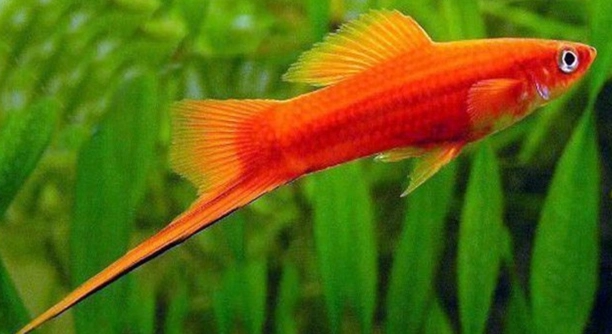
Swordtails are popular aquarium fish known for their bright colors and energetic behavior. Many fish owners wonder if swordtails, like other animals, are sensitive to changes in their environment, such as vibrations in the tank.
Swordtails, like many other fish, can sense vibrations in the water through specialized cells known as lateral lines. These cells detect changes in water movement, allowing the fish to respond to external stimuli, including tank vibrations.
Understanding how swordtails react to tank vibrations can help improve their environment. Keep reading to learn more about how they experience these changes and what it means for your aquarium.
How Swordtails Detect Vibrations
Swordtails are equipped with a special sensory system called the lateral line, which allows them to detect vibrations in the water. This system consists of sensory cells along their body that respond to changes in water movement. When vibrations are present, these cells transmit signals to the fish’s brain, helping them react to their environment. The ability to sense these vibrations is essential for survival, as it allows swordtails to detect predators, prey, or even the presence of other fish. This system works similarly to how we sense sound waves, although the method is quite different.
Understanding how swordtails sense vibrations can also provide insight into how they might behave in a tank. If you notice unusual movements in your swordtail, such as darting away or staying near the tank’s surface, it could be their reaction to vibrations. This natural sensitivity is essential for their well-being, especially in an environment like an aquarium.
It’s important to note that the vibrations swordtails detect may come from various sources. The movement of the water due to filters, air pumps, or even your hand reaching into the tank can all send signals through the lateral line. Swordtails may also be more sensitive to certain vibrations depending on the water’s temperature, the tank’s size, and how it is set up. Keeping your tank stable and free from unnecessary disturbances can help maintain the comfort of your fish.
The Role of Tank Environment
Tank conditions can significantly affect how swordtails respond to vibrations. If the water is too turbulent or there are sudden changes, it might make them anxious. Swordtails prefer calm environments, so any disturbances might cause stress. To keep them comfortable, try minimizing large, sudden movements in the tank.
Creating a peaceful aquarium with minimal vibrations allows swordtails to thrive. When the water is calm, swordtails are less likely to become stressed or show signs of unease. This helps ensure their health and well-being in the long run.
How Vibrations Impact Swordtails’ Behavior
Swordtails can react to vibrations in different ways. In a tank with heavy movement, they may become more cautious or even exhibit signs of stress. Their natural instinct is to seek shelter or stay still to avoid danger. If the vibrations are too constant or intense, swordtails may become overly sensitive and show signs of agitation.
In response to vibrations, swordtails often swim away from the source. They may become more alert, swimming back and forth near the tank’s corners or hiding in plants and decorations. These behaviors help them stay safe, as they use vibrations to detect nearby threats. Understanding how swordtails interpret these vibrations can help aquarium owners provide a more comfortable and stable environment.
The intensity and duration of the vibrations can also influence swordtails’ reactions. If vibrations are short and infrequent, they may not cause significant disruption. However, prolonged or frequent disturbances can make swordtails feel unsafe, leading to anxiety. For a healthy tank environment, minimizing unnecessary movements and vibrations will help keep swordtails more relaxed.
Creating a Stable Environment for Swordtails
To reduce stress, it’s important to keep your tank as calm as possible. This means using quieter filters and air pumps, and avoiding sudden changes in water flow. Swordtails thrive in stable conditions and will feel more secure in an environment with consistent water movement.
For those who have multiple fish or other active species, it’s vital to ensure that these movements don’t lead to constant vibrations. Providing places for swordtails to hide, like plants or caves, can also help them feel safer when the water is more disturbed.
Impact of Strong Tank Vibrations on Swordtail Health
Strong vibrations can be harmful to swordtails over time. Continuous exposure to intense water movement can cause them to become stressed, affecting their overall health. Stress can lead to a weakened immune system, making swordtails more susceptible to diseases.
Swordtails may show signs of stress like fin clamping or erratic swimming patterns when exposed to frequent or strong vibrations. Over time, chronic stress can lower their life expectancy. It’s crucial to maintain stable conditions to prevent these health risks and provide a peaceful environment for your fish.
Tank Setup to Minimize Vibrations
A well-planned tank setup can significantly reduce unwanted vibrations. Using sponge filters and positioning them away from direct water flow areas can help. Proper tank placement away from busy areas also prevents unnecessary disturbances.
Minimizing external vibrations, like from foot traffic or loud noises, will create a more comfortable environment for swordtails. Keeping the aquarium in a quiet, stable location ensures a more relaxed atmosphere.
FAQ
Can swordtails feel vibrations from the filter?
Yes, swordtails can feel vibrations caused by filters. Filters create water movement that can be sensed by their lateral lines. While most swordtails can handle mild vibrations from a filter, too much water flow or a noisy filter may cause stress. If you notice your swordtail avoiding certain areas of the tank, or if it seems anxious, it might be reacting to the vibrations.
How can I reduce vibrations in the tank?
To reduce vibrations, use a quieter filter or air pump, and avoid placing the tank near high-traffic areas. Consider using a sponge filter, as it produces less water movement and is gentler on your swordtails. Ensuring the tank is in a stable, calm spot away from noise can also help.
Are swordtails sensitive to vibrations from human activity?
Yes, swordtails are sensitive to vibrations caused by human activity around their tank. Walking near the tank, tapping on the glass, or sudden loud noises can send vibrations through the water. These vibrations can startle swordtails and cause stress. To avoid this, place the tank in a quieter, less disturbed area.
Do swordtails react to vibrations from other fish?
Swordtails can react to vibrations caused by the movements of other fish. Larger or more active fish in the same tank can create disturbances in the water, which swordtails can sense. If you notice that your swordtails seem stressed when other fish are active, consider adjusting the tank setup or adding hiding spots for them to retreat to.
How do vibrations affect swordtails’ behavior?
Vibrations can cause swordtails to become more alert and cautious. They may swim erratically or stay close to tank corners or hiding spots. If the vibrations are constant or intense, swordtails might show signs of anxiety, like reduced activity or loss of appetite. It’s important to keep the tank environment stable to avoid these behaviors.
Can swordtails sense vibrations in the substrate?
Swordtails can sense vibrations through the substrate, although their primary method of detecting vibrations is through the water. They can detect changes in substrate movement, such as shifts in gravel or sand, but this is not as sensitive as the vibrations felt in the water. Nonetheless, disturbances in the substrate can still alert them to potential dangers.
How does water temperature affect swordtails’ sensitivity to vibrations?
Water temperature can influence how swordtails perceive vibrations. Warmer water tends to make fish more active and sensitive to changes in their environment. If the water is too warm, swordtails may become overly stressed by vibrations. Maintaining a consistent, appropriate water temperature between 72°F and 78°F is ideal for their health and comfort.
Can I prevent swordtails from becoming stressed by vibrations?
To prevent stress from vibrations, focus on creating a stable, quiet tank environment. Use a gentle filtration system, avoid placing the tank in busy or noisy areas, and reduce any unnecessary movements near the tank. Providing plenty of hiding spots can also help swordtails feel secure when vibrations occur.
How do swordtails use vibrations for communication?
Swordtails use vibrations to communicate with each other, especially when it comes to mating or establishing territory. They rely on their lateral line to detect the presence of other swordtails and may respond to subtle water movements. These vibrations are essential for their social interactions and help them avoid conflict.
What signs indicate that swordtails are stressed from vibrations?
Signs that swordtails may be stressed from vibrations include erratic swimming, hiding more frequently, or reduced feeding. They may also swim close to the tank’s surface or corners, trying to avoid the source of the vibrations. If these behaviors persist, it’s important to check the tank for sources of excessive vibrations and address the issue.
Are swordtails more sensitive to vibrations than other fish?
Swordtails are fairly sensitive to vibrations, but they are not the most sensitive fish species. Fish with more developed lateral lines, like catfish, may be more sensitive. However, swordtails still respond to vibrations from water movement, tank equipment, or other fish. Keeping their environment stable will help reduce unnecessary stress.
Do swordtails prefer a certain level of water movement?
Swordtails generally prefer moderate water movement. While they can tolerate a bit of current, too much movement can cause them stress. They enjoy a tank with gentle water flow that mimics their natural environment. A gentle filter or an air pump with adjustable flow can help create the ideal setting for them.
How often should I check for vibrations in my tank?
It’s a good idea to check for vibrations when you set up your tank and after any changes to the equipment. Regularly monitor how your swordtails behave, especially after installing new equipment or making adjustments. If you notice signs of stress or erratic swimming patterns, it could be due to vibrations.
Final Thoughts
Swordtails, like many fish, are sensitive to the vibrations in their environment. Their lateral line system helps them detect movements in the water, which is vital for their survival in the wild. In an aquarium, these vibrations can come from various sources, such as water filters, pumps, or even external disturbances like people walking near the tank. Understanding how these vibrations affect swordtails can help create a better environment for them, ensuring they remain healthy and stress-free.
While swordtails can tolerate mild vibrations, too much movement in the tank can cause them distress. If they feel unsafe or stressed due to constant vibrations, they may exhibit behaviors like erratic swimming, hiding more often, or even becoming less active. These stress signs can weaken their immune system over time and make them more prone to illnesses. Maintaining a stable environment with minimal unnecessary vibrations is crucial for their well-being. Using quieter filters, ensuring gentle water flow, and placing the tank in a calm area of the room can all help reduce stress for your swordtails.
Ultimately, swordtails are resilient fish, but like all living creatures, they thrive best in a peaceful environment. The key is balance—providing them with enough movement in the water for a healthy, natural habitat, while also making sure the vibrations are not overwhelming. By carefully managing the conditions in your tank, you can ensure that your swordtails enjoy a long, healthy life in their aquatic home.

Hello,
If you enjoy the content that we create, please consider saying a "Thank You!" by leaving a tip.
Every little bit helps us continue crafting quality advice that supports the health, happiness, and well-being of pets around the world, for pets of all shapes, sizes, and species.
We really appreciate the kindness and support that you show us!