
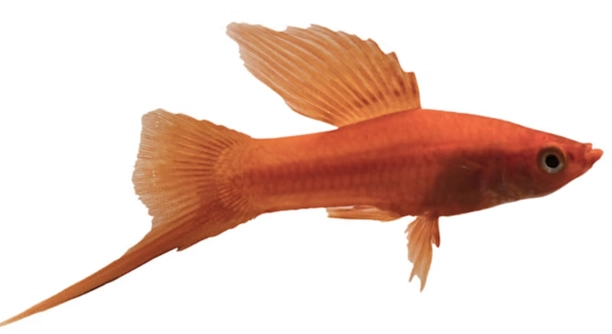
Stress is something we often associate with humans, but it can affect animals too. In the world of fish, certain species might be more sensitive to stress than others. Swordtails, in particular, may have an interesting way of sensing it.
Swordtails are believed to have the ability to detect stress in other fish, responding to subtle changes in behavior or chemical signals. Their acute senses, especially their ability to pick up on environmental cues, help them react accordingly.
Understanding how swordtails sense stress in other fish can give us valuable insights into their social behavior and how they interact within a tank. This knowledge can help aquarium owners create better environments for their fish.
How Swordtails Sense Stress
Swordtails are known for their social nature and ability to adapt in various environments. They have an interesting ability to pick up on stress signals from other fish in the tank. While it may not be immediately obvious, swordtails can sense changes in their surroundings, especially when another fish is under stress. This sensitivity could be due to the way swordtails detect subtle chemical signals in the water, like pheromones, or notice shifts in the behavior of nearby fish. These small signals may alert swordtails to a change in their environment, prompting them to react in ways that can help them cope with the stress.
It’s important to recognize that swordtails don’t experience stress the same way humans do. They rely on instinctual behaviors to understand and react to the environment around them. The way they perceive stress in other fish likely helps them protect themselves from potential danger.
Swordtails’ ability to sense stress may also influence how they interact with other fish in the tank. If a fish is stressed, the swordtail might avoid it, or it could display signs of anxiety itself. It’s not just a one-way street; other fish may also sense the swordtail’s response and act accordingly. This creates a delicate balance in the tank environment. Understanding how this happens can help aquarium owners create peaceful, stress-free environments for their fish, minimizing potential problems and fostering healthier relationships between different species.
The Role of Water Chemistry
Water chemistry plays a big part in how fish, including swordtails, sense stress. Changes in the water can affect how sensitive they are to stress signals. Swordtails might become more attuned to their environment when the water’s pH or temperature fluctuates.
When water quality is compromised, swordtails may become more sensitive to environmental changes. Stress caused by poor water conditions can lead to changes in the way swordtails communicate with each other, either through behavior or chemical signals. This means maintaining clean, stable water conditions is essential for reducing stress in the tank. A stressed fish will often release more stress hormones, which could potentially affect the rest of the fish. Therefore, swordtails might sense these changes and react to them faster, further influencing their behavior and interactions.
How Stress Affects Swordtails
When swordtails experience stress, their behavior changes noticeably. They may swim erratically, stop eating, or become more aggressive towards tank mates. These signs of stress can be influenced by factors like poor water quality, overcrowding, or competition for food. Swordtails, like many fish, are sensitive to changes in their environment, and stress can affect their health and well-being.
Even minor stressors can have a long-term impact on swordtails. Prolonged stress weakens their immune system, making them more vulnerable to diseases and infections. The effects of stress are not just behavioral but can also cause physical harm. Swordtails may become lethargic, develop faded colors, or experience growth problems if the stress persists over time.
It’s crucial to keep an eye on these subtle signs. A stressed swordtail often won’t show visible symptoms right away. It’s when stress becomes chronic that it leads to more noticeable issues. Monitoring water conditions and ensuring a peaceful tank environment can help reduce stress and keep swordtails healthy.
Swordtails and Tankmates
Swordtails are peaceful, but stress from their tankmates can affect them. When housed with aggressive or overly territorial fish, swordtails might feel threatened. This stress can lead to behavioral changes, such as hiding or avoiding certain areas of the tank. The presence of aggressive fish or overcrowding in the tank increases anxiety for swordtails.
Tankmates should be chosen carefully to avoid stressful interactions. Swordtails do best in communities with other peaceful fish. Fish that are too aggressive or territorial will cause stress not only for swordtails but also for the other fish in the tank. If swordtails feel constantly threatened, their health will deteriorate.
Keeping swordtails with calm, non-aggressive species is essential. This helps reduce the chances of stress-related illnesses and ensures a harmonious tank. Regular observation of interactions among tankmates will help detect any signs of stress early, allowing for prompt action before the situation worsens.
Identifying Stress in Swordtails
Recognizing stress in swordtails is key to ensuring their well-being. Common signs include erratic swimming, hiding, and changes in appetite. They may also show darker or faded colors when stressed. These signs can be subtle, so it’s important to watch for any changes in their usual behavior.
Swordtails are social fish, and stress can cause them to withdraw from the group. If they’re constantly hiding or isolating themselves from tankmates, it’s a clear sign of stress. Changes in their interaction with other fish, such as increased aggression or avoidance, can also point to stress.
Environmental Stress Factors
Water temperature, pH levels, and tank size all play a role in a swordtail’s stress. When these factors are out of balance, it can make swordtails anxious. Consistent water changes, proper filtration, and maintaining stable temperatures can significantly reduce the stress that results from poor water quality.
Tank overcrowding can also cause stress. Swordtails, like many other fish, require space to swim freely and establish territories. When too many fish are crammed into a small tank, it creates constant competition for resources, which leads to stress and aggression.
How Swordtails Respond to Stress
When swordtails sense stress, they may show behaviors like darting around or avoiding certain parts of the tank. They might swim near the surface or in areas with more hiding spots, trying to escape perceived threats. These changes in behavior are often linked to their instinct to find safety.
FAQ
Can swordtails experience stress from other fish in the tank?
Yes, swordtails can experience stress from other fish. They are peaceful creatures by nature, and when housed with aggressive or territorial fish, they can feel threatened. This can lead to anxiety, which may affect their health. Swordtails may display signs of stress like hiding, erratic swimming, or loss of appetite. It’s important to choose tankmates carefully to ensure a peaceful environment for all fish.
How do I know if my swordtail is stressed?
There are several signs that indicate a swordtail is stressed. These can include unusual swimming patterns, like darting around the tank or swimming in circles. Swordtails might also hide more often, lose interest in eating, or even become more aggressive towards other fish. Changes in color are another common sign, with stressed swordtails often showing darker or faded hues. If you notice any of these signs, it’s time to check the water conditions and consider possible stress factors in the tank.
What are the most common stressors for swordtails?
Water quality is the leading cause of stress in swordtails. Poor water conditions, such as fluctuating pH, high ammonia, or inappropriate temperature, can make swordtails anxious. Overcrowding is another stressor. When too many fish are in the tank, there’s constant competition for food and space, leading to aggression and stress. Aggressive tankmates or a lack of hiding spots can also contribute to swordtail stress.
Can swordtails get stressed from water temperature changes?
Yes, swordtails are sensitive to changes in water temperature. Rapid fluctuations in temperature can cause stress and even lead to illness. Swordtails thrive in temperatures between 72°F and 78°F (22°C to 25°C). If the water is too cold or too warm, it can weaken their immune system and cause discomfort. It’s essential to monitor the water temperature regularly and avoid sudden shifts.
How can I reduce stress in my swordtails?
To reduce stress in swordtails, start by maintaining stable water conditions. Regular water changes, proper filtration, and monitoring pH levels are essential. Ensure the tank is not overcrowded, and provide enough hiding spots and swimming space for each fish. Choosing peaceful tankmates will also help prevent aggression and stress. Avoid sudden changes in temperature and be mindful of your swordtail’s behavior to spot any signs of distress early.
Are swordtails more susceptible to stress than other fish?
Swordtails are not particularly more susceptible to stress than other fish, but their sensitivity to their environment can make them seem more affected by stress. They rely heavily on stable water conditions and social harmony. Fish like bettas or cichlids, which are more territorial, may seem less affected by similar stressors. However, swordtails are more vulnerable to stress-induced health issues if their environment isn’t ideal.
Can poor water quality cause swordtails to fight?
Yes, poor water quality can cause swordtails to fight. Stress caused by poor water conditions can lead to aggression, especially if there is overcrowding or not enough space for each fish. Swordtails may also become more territorial when they feel stressed. Keeping the water clean and maintaining a suitable tank environment will reduce aggression and improve their overall behavior.
What is the best tank size for swordtails?
Swordtails need at least a 20-gallon tank for a small group of fish. The more space, the better, as swordtails are active swimmers and enjoy a tank with plenty of room. A larger tank will reduce territorial disputes and help keep water quality stable. It’s important to also provide hiding spots and plants to help swordtails feel secure.
Do swordtails experience stress differently from other types of fish?
Swordtails are relatively calm and social, so their stress responses may differ from more aggressive fish like bettas or goldfish. Swordtails tend to react to stress by withdrawing from the group, hiding, or displaying behavioral changes like erratic swimming. They are also more sensitive to water quality changes than some other species, which can make them more prone to stress under poor tank conditions.
Can I treat stressed swordtails?
Yes, stressed swordtails can be treated by improving their environment. Start by addressing the source of the stress, whether it’s water quality, tankmates, or overcrowding. Make sure the water temperature is stable and the pH is within the right range. Adding plants and hiding spots can also help swordtails feel safer. If the stress has caused any health issues, consider consulting a vet or aquarium specialist for treatment options.
What are the long-term effects of stress on swordtails?
Long-term stress can weaken a swordtail’s immune system, making them more vulnerable to diseases and infections. Chronic stress can also stunt growth and cause physical issues like fading colors or reduced appetite. It’s important to reduce stress quickly, as prolonged exposure to stress can lead to serious health problems and even death in extreme cases.
Do swordtails stress easily compared to other fish?
Swordtails can stress more easily than other fish when their environment isn’t ideal. They are sensitive to poor water conditions and can be affected by overcrowding, aggressive tankmates, or changes in their surroundings. However, with the right care and a stable environment, swordtails are generally healthy and adaptable.
Final Thoughts
Swordtails are fascinating fish, known for their vibrant colors and peaceful nature. Like all fish, they can experience stress, which can affect their health and behavior. Understanding what causes stress in swordtails is key to ensuring they stay healthy and happy. While swordtails are generally hardy fish, they are sensitive to changes in their environment, especially in water quality, tankmates, and overcrowding. Maintaining a balanced and peaceful environment is crucial for keeping swordtails stress-free.
Water quality plays a big role in swordtails’ well-being. They thrive in stable conditions, where temperature, pH, and ammonia levels are well-maintained. Fluctuating temperatures or high levels of toxins can make them anxious and more susceptible to illness. Regular water changes, proper filtration, and monitoring the water parameters will go a long way in reducing stress for swordtails. If the water conditions are poor, swordtails may become lethargic, lose their bright colors, or even stop eating. Addressing water quality issues as soon as they arise is important for preventing long-term stress.
Choosing the right tankmates for swordtails is equally important. They are peaceful fish, so placing them with aggressive or territorial species can cause unnecessary stress. Swordtails may become anxious, hide more, or even display signs of aggression. Keeping them with other non-aggressive species and providing enough space to swim freely helps create a more relaxed environment. In addition, avoiding overcrowding ensures they have enough room to establish territories and move around without feeling threatened. A well-planned tank setup with proper care can help swordtails live long, healthy lives.

Hello,
If you enjoy the content that we create, please consider saying a "Thank You!" by leaving a tip.
Every little bit helps us continue crafting quality advice that supports the health, happiness, and well-being of pets around the world, for pets of all shapes, sizes, and species.
We really appreciate the kindness and support that you show us!